
13 Days Kenya Wilderness Safari
The 13 Days Kenya Wilderness Safari by Ngeye Uganda Tours is designed for travelers seeking the ultimate combination of wildlife immersion, cultural encounters, and conservation experiences across Kenya’s most iconic and remote ecosystems. This safari emphasizes both popular southern parks and the rugged northern wilderness, providing a diverse and comprehensive exploration of Kenya’s natural heritage. From the iconic elephants of Amboseli to the untamed plains of Tsavo, the endemic species of Samburu, and the world-renowned Maasai Mara, this safari offers the chance to witness Kenya’s biodiversity in its most pristine and untouched form.
Travelers will spend multiple days in each destination, allowing not just for wildlife observation but for detailed exploration of ecosystems and the behaviors of species unique to each region. The safari also integrates cultural experiences with local Maasai and Samburu communities, providing insight into their traditional pastoralist lifestyles and conservation efforts. Private conservancies and remote lodges offer off-road driving, walking safaris, and night drives, enhancing the wilderness experience and providing unparalleled photographic and adventure opportunities.
The 13 Days Kenya Wilderness Safari is suitable for both mid-range and luxury travelers. Mid-range options offer comfortable lodges and tented camps with guided game drives and park fees included, while luxury options provide exclusive private lodges, internal flights, and bespoke experiences with expert guides, maximizing comfort, privacy, and wildlife encounters. Whether you are a first-time visitor or a seasoned safari enthusiast, this itinerary delivers an unforgettable journey across Kenya’s wildest landscapes.
13 Days Kenya Wilderness Safari
Detailed: 13 Days Kenya Wilderness Safari
Arrival in Nairobi – Gateway to the Wilderness
Arriving at Jomo Kenyatta International Airport (NBO) marks the beginning of the 13 Days Kenya Wilderness Safari. Upon arrival, you are greeted by a professional Ngeye Uganda Tours guide who will assist with airport formalities and transfer you to a hotel in Nairobi for an overnight stay. Depending on arrival time, you may opt to visit Nairobi’s renowned wildlife sanctuaries.
The Sheldrick Wildlife Trust provides a unique opportunity to observe orphaned elephants during the morning feeding hour, while the Giraffe Centre introduces travelers to Kenya’s endangered Rothschild giraffes. These initial interactions serve as a gentle introduction to the country’s conservation ethos, setting the tone for the journey ahead. Nairobi also offers a window into Kenya’s urban culture, blending modernity with traditional markets, craft centers, and culinary delights.
Travelers are encouraged to rest and acclimatize, as the upcoming days involve extensive wildlife exploration across diverse ecosystems. This first night provides a chance to plan photography techniques, discuss species of interest with your guide, and prepare for the immersive experience of the 13 Days Kenya Wilderness Safari.
- Animals to Spot: Urban wildlife such as rock hyrax, baboons, and giraffes (in sanctuaries)
- Birds to Spot: Grey-headed kingfisher, weaver species, hornbills
- Cultures to Experience: Nairobi’s urban culture, Kenyan markets, traditional crafts
Nairobi to Amboseli National Park – Elephants and Kilimanjaro
Day two transitions to the southern plains of Kenya, driving to Amboseli National Park, situated at the base of Mount Kilimanjaro. This iconic backdrop provides some of the most picturesque safari photography opportunities in Africa. Amboseli is renowned for its large elephant herds, often seen roaming the open savannah against the dramatic snow-capped peak.
Upon arrival, guests embark on an afternoon game drive through marshes and open plains. The park’s varied habitats support lions, cheetahs, zebras, and giraffes, as well as smaller herbivores such as impala and dik-dik. The proximity to Mount Kilimanjaro allows for unmatched photographic moments, especially during early morning and late afternoon light.
Bird enthusiasts can enjoy species such as African fish eagle, yellow-billed stork, grey-headed kingfisher, and migratory waterbirds congregating near swamps. The park also offers cultural interactions with the local Maasai people, whose pastoralist traditions are closely linked to the landscape. Visitors can observe traditional Manyatta homesteads, beadwork, and learn how communities coexist with wildlife in a human-wildlife interface.
- Animals to Spot: Elephants, lions, cheetahs, giraffes, zebras, warthogs
- Birds to Spot: African fish eagle, grey-headed kingfisher, yellow-billed stork, marabou stork
- Cultures to Experience: Maasai village visits, beadwork, pastoralist traditions
Full Day in Amboseli – Elephant Encounters and Birding
The third day is devoted to a full day of game drives in Amboseli National Park, ensuring comprehensive exploration of this classic safari destination. Early morning drives often catch predators returning from nocturnal hunts, while the marshes teem with wildlife including elephants, hippos, and buffalo. Guides offer insights into herd dynamics, elephant matriarch behavior, and species adaptations to seasonal water variations.
Amboseli’s birdlife is prolific, with over 400 species recorded. Guests can photograph yellow-billed stork, marabou stork, grey crowned crane, and kingfishers while observing nesting behaviors in swampy areas. Afternoon drives highlight the interaction between herbivores and predators, providing opportunities for dramatic wildlife encounters.
The 13 Days Kenya Wilderness Safari emphasizes conservation education. Guides discuss water management, poaching prevention, and community integration programs supporting wildlife protection. Guests also have the option to engage in short guided bush walks near lodge areas to better understand flora, fauna, and ecological interactions.
- Animals to Spot: Elephants, lions, cheetahs, hyenas, warthogs, buffalo
- Birds to Spot: Yellow-billed stork, grey crowned crane, fish eagle, hammerkop
- Cultures to Experience: Maasai conservation programs, homestead visits, traditional dances
Amboseli to Tsavo West National Park – Volcanic Landscapes
Day four begins the journey to Tsavo West National Park, part of Kenya’s largest wildlife system. Tsavo West offers dramatic volcanic landscapes, rolling hills, and lush riverine areas. The park’s diverse topography provides a sense of remote wilderness, perfect for the 13 Days Kenya Wilderness Safari.
Guests embark on afternoon game drives, exploring lava flows, rock outcrops, and savannah plains. Lions, leopards, elephants, and African buffalo are commonly encountered, while the park’s volcanic hills host cheetahs, eland, and lesser-known antelope species. Tsavo West is also famous for Mzima Springs, a series of freshwater springs home to hippos, crocodiles, and unique fish species, providing excellent photography opportunities.
Bird enthusiasts can spot silverbills, starlings, fish eagles, vultures, and numerous waterfowl around the springs. The park’s remote nature allows for quiet observation, uninterrupted by crowds, making it an ideal location for wildlife immersion.
- Animals to Spot: Elephants, lions, leopards, buffalo, hippos, eland
- Birds to Spot: Fish eagle, starlings, silverbills, vultures
- Cultures to Experience: Local Tsavo communities, historical colonial settlements
Tsavo East National Park – Red-Dust Elephants and Open Plains
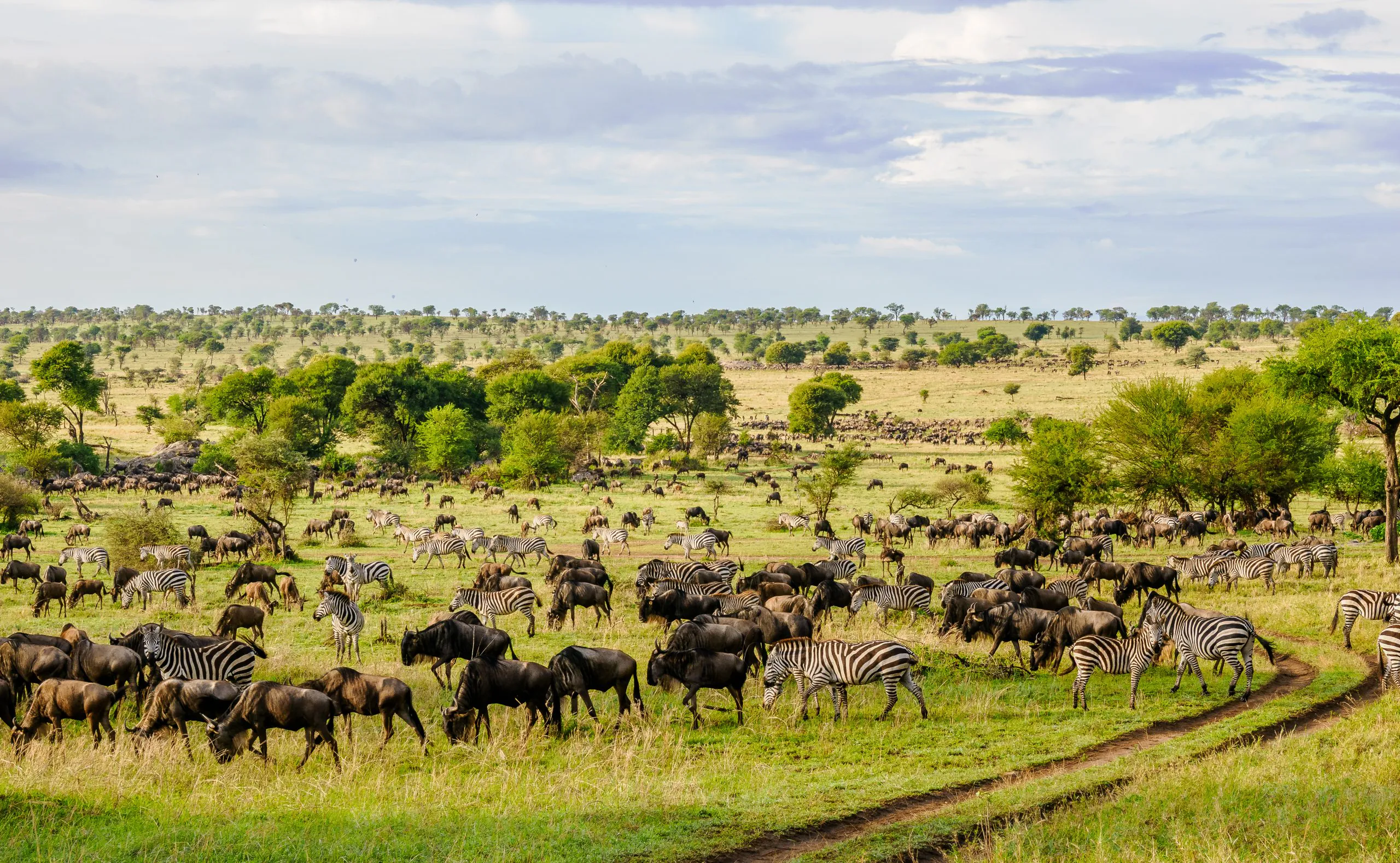
Day five continues the 13 Days Kenya Wilderness Safari with exploration of Tsavo East National Park, known for its iconic red-dust elephants. The open plains and sparse vegetation allow for dramatic game viewing, with herds of zebras, giraffes, wildebeest, and predators roaming freely.
Morning and afternoon game drives focus on spotting elusive predators such as lions and cheetahs, often hunting in the wide savannah. Tsavo East’s landscapes provide a sense of raw, untouched wilderness, appealing to travelers seeking solitude and authentic safari experiences.
Birdwatchers can enjoy vultures, secretary birds, ostriches, and kori bustards, while the park’s rivers attract herons, kingfishers, and migratory species. Guides discuss ecosystem dynamics, predator-prey relationships, and conservation challenges in a semi-arid environment.
- Animals to Spot: Red-dust elephants, lions, cheetahs, giraffes, zebras, wildebeest
- Birds to Spot: Ostrich, secretary bird, vultures, kori bustard, kingfishers
- Cultures to Experience: Kamba and local Tsavo traditions, conservation education
Tsavo to Northern Kenya (Samburu/Kalama Conservancy)
The sixth day moves north to the remote Samburu National Reserve or Kalama Conservancy, emphasizing the wilderness aspect of the 13 Days Kenya Wilderness Safari. The arid landscapes and riverine systems are home to endemic species like the Samburu Special Five: Grevy’s zebra, reticulated giraffe, Somali ostrich, Beisa oryx, and gerenuk.
Guided game drives focus on predator and herbivore interactions along the Ewaso Ng’iro River, where water scarcity shapes wildlife patterns. Guests learn about adaptations to arid conditions, including diet and movement of both herbivores and carnivores.
Birdwatching is rich, with fish eagles, northern carmine bee-eaters, grey-headed kingfishers, and migratory waders along the river. Cultural engagement includes visits to Samburu homesteads, learning about semi-nomadic pastoralist life and conservation collaborations.
- Animals to Spot: Grevy’s zebra, reticulated giraffe, oryx, lions, elephants
- Birds to Spot: Fish eagle, grey-headed kingfisher, carmine bee-eater, northern storks
- Cultures to Experience: Samburu warrior culture, pastoralist routines, beadwork
Full Day in Samburu National Reserve – Northern Wildlife Immersion
The seventh day of the 13 Days Kenya Wilderness Safari is dedicated to an immersive exploration of Samburu National Reserve, offering a unique northern Kenya experience distinct from the southern savannahs. This reserve is a dry-country ecosystem characterized by rocky hills, acacia woodlands, and the life-giving Ewaso Ng’iro River, which sustains the wildlife throughout the arid climate.
A full day of morning and afternoon game drives allows travelers to encounter the Samburu Special Five—species endemic to this region and rarely found elsewhere in Kenya. Grevy’s zebras, known for their narrow stripes, move gracefully across the open plains, while reticulated giraffes feed on acacia pods along the riverbanks. Other highlights include Somali ostriches, Beisa oryx, and the long-necked gerenuk, often seen browsing leaves out of reach of other herbivores. Predators such as lions, leopards, and cheetahs also patrol these landscapes, providing thrilling photographic opportunities.
Birdlife is prolific, with the dry riverine habitat hosting African fish eagles, northern carmine bee-eaters, lilac-breasted rollers, and the grey-headed kingfisher. Morning and late afternoon drives are optimal for observing species behavior in excellent lighting conditions. The reserve’s remoteness ensures encounters are intimate, with fewer tourists than in southern parks.
Cultural engagement is integral to the experience. Visits to local Samburu homesteads—known as manyattas—reveal semi-nomadic pastoralist life. Guests observe traditional beadwork, learn about cattle herding, and may participate in morning milking or traditional dances. Conservation programs often involve the community, illustrating the interplay between livelihood and wildlife protection.
- Animals to Spot: Grevy’s zebra, reticulated giraffe, Beisa oryx, gerenuk, lions, cheetahs, leopards, elephants
- Birds to Spot: Fish eagle, northern carmine bee-eater, grey-headed kingfisher, lilac-breasted roller, vultures
- Cultures to Experience: Samburu warrior traditions, pastoralist lifestyle, beadwork, homestead visits
Samburu to Ol Pejeta Conservancy – Conservation and Community
On the eighth day, the 13 Days Kenya Wilderness Safari continues to Ol Pejeta Conservancy in the Laikipia Plateau. This private sanctuary is renowned for its successful black rhino conservation program and its Sweetwaters Chimpanzee Sanctuary, the only place in Kenya to see chimpanzees in a semi-wild environment. The drive northward presents scenic contrasts, from semi-arid Samburu landscapes to lush Laikipia plains.
Upon arrival, guests enjoy guided game drives emphasizing conservation education. Black rhinos, both male and female, can be observed within secure areas, while elephant herds roam freely. Ol Pejeta’s strategic management integrates anti-poaching measures, wildlife monitoring, and community engagement. Guests may learn about lion tracking projects and how the conservancy employs rangers and local youth, linking conservation to local livelihoods.
Birdwatchers find Ol Pejeta rewarding, with species such as lappet-faced vultures, tawny eagles, African fish eagles, and cisticolas commonly spotted. Photography opportunities abound, from close-ups of rhinos grazing to chimpanzees interacting naturally in enclosures designed to mimic their natural habitats.
Cultural experiences are woven into the visit. Guests may engage with local Maasai communities, understanding their role in land stewardship, traditional medicine, and co-management of conservancy resources. Discussions with guides highlight challenges such as human-wildlife conflict mitigation and sustainable tourism practices.
- Animals to Spot: Black rhinos, elephants, lions, zebras, wildebeest, leopards
- Birds to Spot: Lappet-faced vulture, African fish eagle, tawny eagle, cisticolas
- Cultures to Experience: Maasai community engagement, conservation programs, sustainable livelihood initiatives
Ol Pejeta to Maasai Mara Conservancies – Entering the Iconic South
Day nine marks the transition to the legendary Maasai Mara National Reserve, often the highlight of the 13 Days Kenya Wilderness Safari. Travelers may transfer by road or fly into a private conservancy such as Mara North or Naboisho, adjacent to the Mara itself. These conservancies allow off-road driving, guided walks, and night drives, offering a more exclusive and intimate wilderness experience.
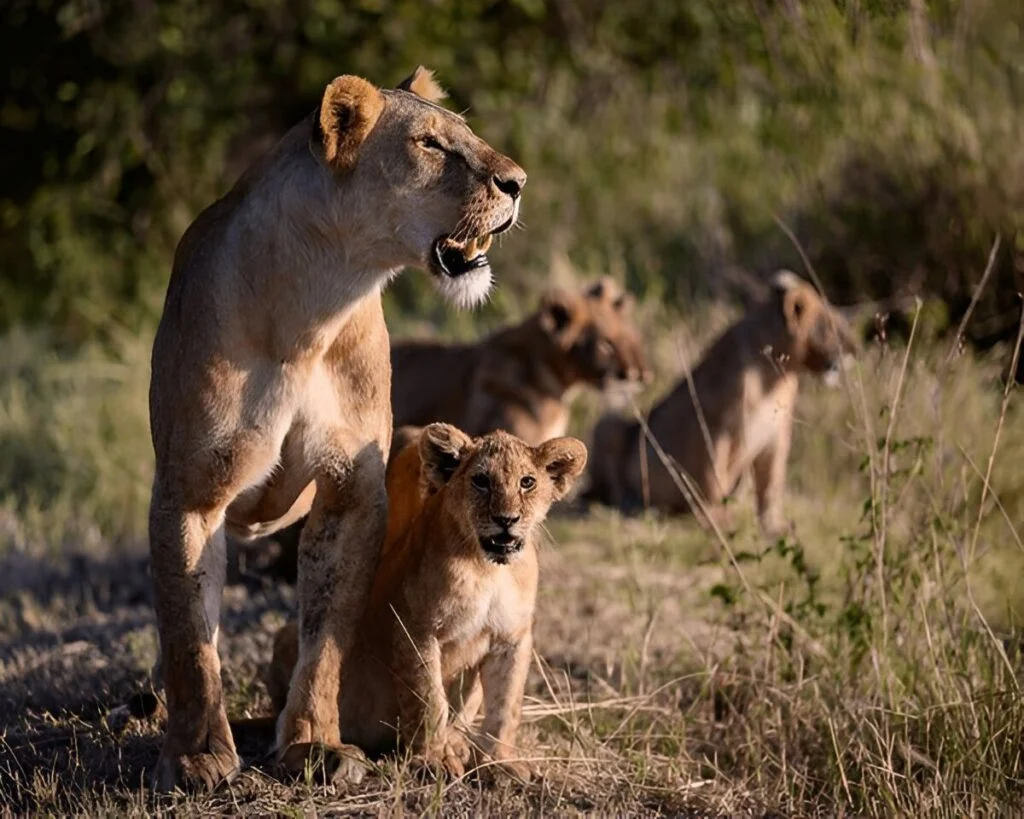
Upon arrival, an afternoon game drive introduces guests to the rolling savannahs dotted with acacia trees. Early encounters often include prides of lions, cheetahs stalking prey, and herds of elephants moving across the plains. The Mara’s ecosystem is dynamic, with zebras, wildebeest, and gazelles forming the base of a complex predator-prey network.
Birdwatching opportunities are unparalleled, with species like lappet-faced vultures, yellow-billed storks, African fish eagles, and secretary birds providing color and motion across the savannah backdrop. Guides provide ecological insights, explaining seasonal movements, mating rituals, and social structures of both predators and prey.
Cultural integration continues, with optional visits to nearby Maasai villages. Travelers learn about Maasai social structure, traditional attire, and their spiritual connection to the land. The extended stay ensures guests witness daily wildlife patterns, predator interactions, and ecological rhythms often missed in shorter visits.
- Animals to Spot: Lions, cheetahs, leopards, elephants, wildebeest, zebras, hyenas
- Birds to Spot: Lappet-faced vulture, African fish eagle, secretary bird, yellow-billed stork
- Cultures to Experience: Maasai village life, beadwork, song and dance, cattle-herding demonstrations
Full Day Maasai Mara Conservancy – Predator and Migration Observation
The tenth day is dedicated to comprehensive exploration of the Maasai Mara private conservancy, maximizing wildlife viewing during the 13 Days Kenya Wilderness Safari. Early morning drives allow travelers to witness predators returning from nocturnal hunts. Lions stalking buffalo, cheetahs on the prowl, and leopards lounging in trees provide unmatched photography opportunities.
The conservancy’s open plains are ideal for observing herbivore movements. Wildebeest and zebra herds dominate the landscape, while giraffes and elephants traverse watering holes. During migration season (July-October), river crossings of the Mara River may occur, capturing one of the most dramatic wildlife spectacles on Earth.
Bird enthusiasts enjoy ground hornbills, lilac-breasted rollers, crowned cranes, and African fish eagles. The guide emphasizes behavioral ecology, explaining hunting techniques, territory marking, and interspecies interactions. Conservation messages highlight how private conservancies contribute to sustainable wildlife management, balancing tourism with ecological preservation.
Optional cultural visits provide deeper insights into Maasai life, from cattle tending to traditional song and dance performances. The full day immersion ensures travelers experience the Mara’s ecosystem comprehensively, capturing both wildlife drama and the serene rhythm of African plains.
- Animals to Spot: Lions, leopards, cheetahs, elephants, wildebeest, zebras, hippos
- Birds to Spot: African fish eagle, lilac-breasted roller, ground hornbill, crowned crane
- Cultures to Experience: Maasai village immersion, traditional dances, community conservation programs
Second Full Day Maasai Mara – Walking Safaris and Photography
Day eleven continues the in-depth exploration of the Maasai Mara, with optional walking safaris under the supervision of armed guides in private conservancies. Walking safaris provide a different perspective, highlighting smaller wildlife, tracking techniques, plant identification, and bird behavior. Travelers can observe dik-dik, monitor lizards, hares, and insects, complementing game drive encounters.
The conservancy setting allows closer encounters with predators without the crowds typical of the main reserve. Photography enthusiasts can capture sunrise and sunset landscapes, animal interactions, and the Mara’s iconic acacia-dotted horizon. Discussions with guides cover species behavior, conservation challenges, and the importance of land stewardship by local Maasai communities.
Cultural engagement remains an option, visiting Maasai schools, beadwork workshops, or participating in traditional morning rituals. This day emphasizes experiential learning, combining wildlife observation with human-environment interactions.
- Animals to Spot: Lions, leopards, elephants, giraffes, zebras, hyenas, buffalo
- Birds to Spot: Lilac-breasted roller, African fish eagle, hornbills, vultures
- Cultures to Experience: Maasai school visits, beadwork workshops, pastoralist life
Final Maasai Mara Morning – Departure to Nairobi
On day twelve, travelers enjoy a final morning game drive in the Maasai Mara Conservancy, capturing last-minute sightings and photographs of wildlife in golden morning light. Elephant herds, lions resting in shade, and giraffes browsing acacia trees offer memorable farewell images.
After the drive, guests are transferred to a local airstrip for a flight back to Nairobi. The journey offers reflections on the 13 Days Kenya Wilderness Safari, highlighting the variety of ecosystems—from Amboseli and Tsavo to Samburu and Maasai Mara—and the conservation lessons learned throughout the itinerary.
In Nairobi, travelers may opt for last-minute shopping at craft markets or a brief city tour before the international departure. This final day ties together the cultural, wildlife, and conservation threads experienced across Kenya.
- Animals to Spot: Elephants, lions, giraffes, zebras, buffalo, cheetahs
- Birds to Spot: African fish eagle, lilac-breasted roller, vultures, storks
- Cultures to Experience: Farewell Maasai interactions, Nairobi city crafts
Departure from Nairobi
The thirteenth day concludes the 13 Days Kenya Wilderness Safari with a transfer to Jomo Kenyatta International Airport (NBO) for onward international flights. Guests depart with lasting memories of Kenya’s most iconic wildlife, diverse ecosystems, and rich cultural heritage. Conservation lessons, photography experiences, and cultural insights ensure the safari is not just a journey, but an education in sustainable tourism and wildlife preservation.
13 Days Kenya Wilderness Safari Inclusions & Exclusions
Safari Inclusions:
- Airport transfers and professional Ngeye Uganda Tours guide throughout
- Accommodation in mid-range lodges, luxury tented camps, or private lodges
- All park fees and conservancy access
- Daily meals (breakfast, lunch, dinner) at lodges and camps
- Morning and afternoon game drives
- Guided bush walks and walking safaris in private conservancies
- Maasai and Samburu village visits and cultural interactions
- Internal flights where specified (optional for luxury packages)
- Bottled water, tea, and coffee during game drives
Safari Exclusions:
- International flights to and from Nairobi
- Visa fees and travel insurance
- Gratuities for guides, drivers, and lodge staff
- Optional activities such as hot-air balloon safaris, horseback safaris, or additional cultural excursions not specified
- Personal expenses (souvenirs, phone calls, laundry)
- Alcoholic beverages in some lodges (unless included in package)
Our Latest Safari Travel News
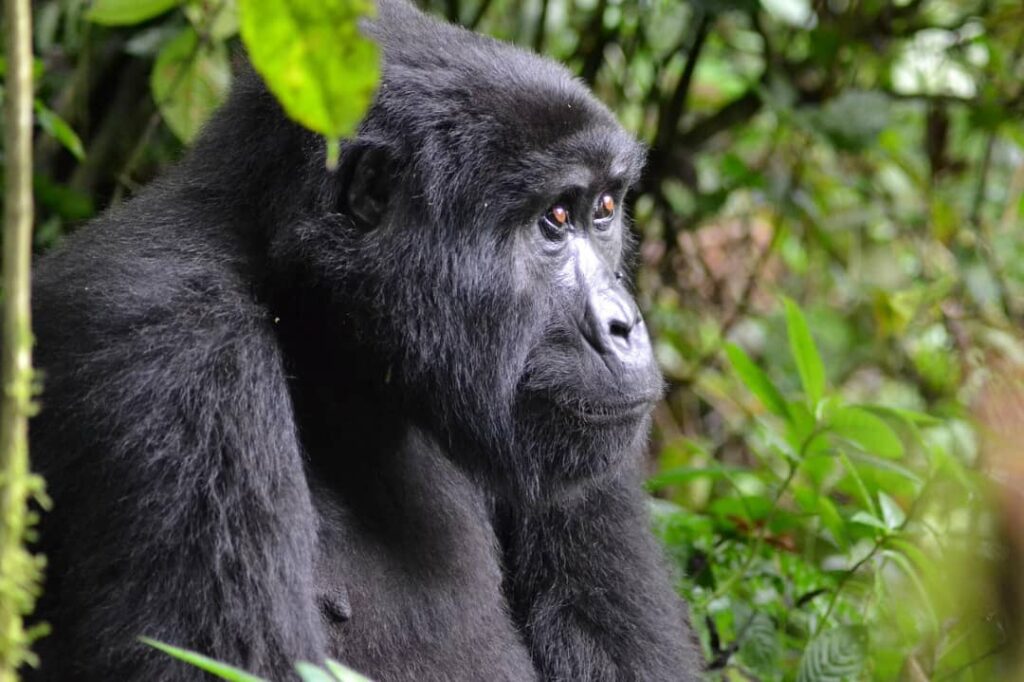
Why Seeing Gorillas Changes People Emotionally?
Why Seeing Gorillas Changes People Emotionally? A Life-Changing Uganda Gorilla Safari Experience For many travelers, […]
How Many National Parks Can You Visit in One Trip in Uganda?
How Many National Parks Can You Visit in One Trip in Uganda? Uganda, famously known […]
Top 15 Things to Do in Uganda
Top 15 Things to Do in Uganda Uganda is one of Africa’s most rewarding travel […]
The Big Five Safaris Tour Adventures in Uganda
The Big Five Safaris Tour Adventures in Uganda Why Are The Big Five Safaris Tour […]