

Chimpanzee Trekking in Uganda 2026
January 9, 2026
Murchison Falls National Park Safari Guide 2026
January 12, 2026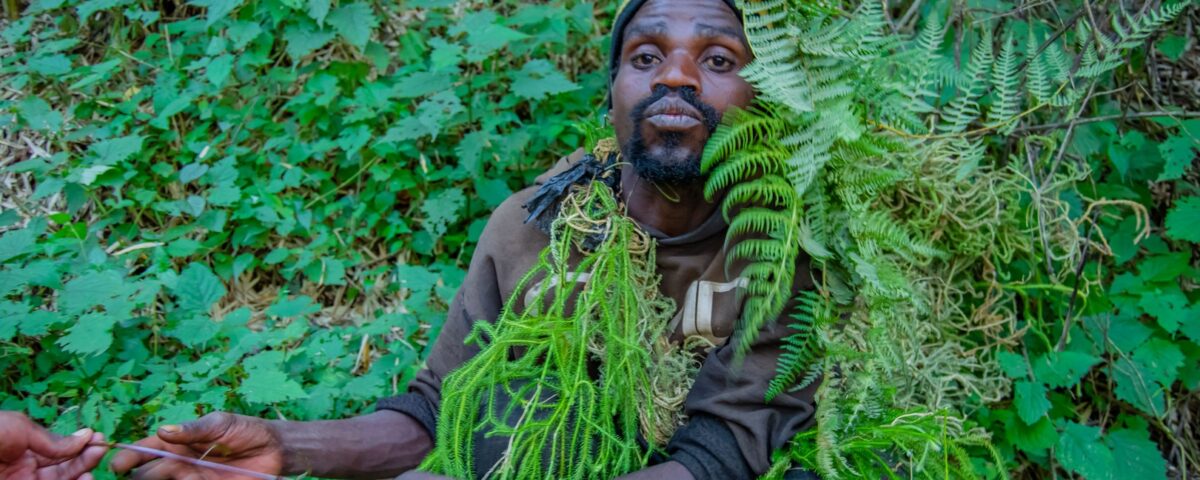
Batwa Cultural Experience in Bwindi 2026
The Batwa are one of Uganda’s oldest indigenous communities. They lived for generations as forest dwellers in the Bwindi and Mgahinga forests, relying on hunting, gathering, and deep spiritual connections to nature. Their knowledge of plants, animals, and survival skills represents a unique cultural heritage that predates modern conservation areas.
In 2026, the Batwa remain an important part of Uganda’s cultural identity. Cultural tourism now provides a platform for them to share their traditions, stories, and skills with visitors. These experiences create respect, understanding, and support for community development.
Batwa Cultural Experience
Why Is the Batwa Cultural Experience a Meaningful Addition to a Uganda Safari?
The Batwa cultural experience adds a human story to wildlife adventures. After gorilla trekking or forest walks, meeting the Batwa gives travelers insight into how people once lived in harmony with the forest. It deepens understanding of conservation, displacement, and resilience.
In 2026, travelers increasingly seek meaningful, responsible experiences. The Batwa encounter offers authenticity, education, and emotional connection. It transforms a safari from sightseeing into cultural exchange.
Batwa Cultural Experience in Bwindi 2026
Where Can Travelers Experience Batwa Culture in 2026?
Batwa communities live around Bwindi Impenetrable National Park and Mgahinga Gorilla National Park. Organized cultural visits take place in villages such as Buhoma, Rushaga, Nkuringo, and near Kisoro. These locations offer structured programs guided by Batwa representatives.
In 2026, these experiences remain well coordinated. Visitors enjoy village walks, forest trails, and performance areas that showcase traditional life. Access remains easy from major gorilla trekking sectors.
What Happens During a Batwa Cultural Experience?
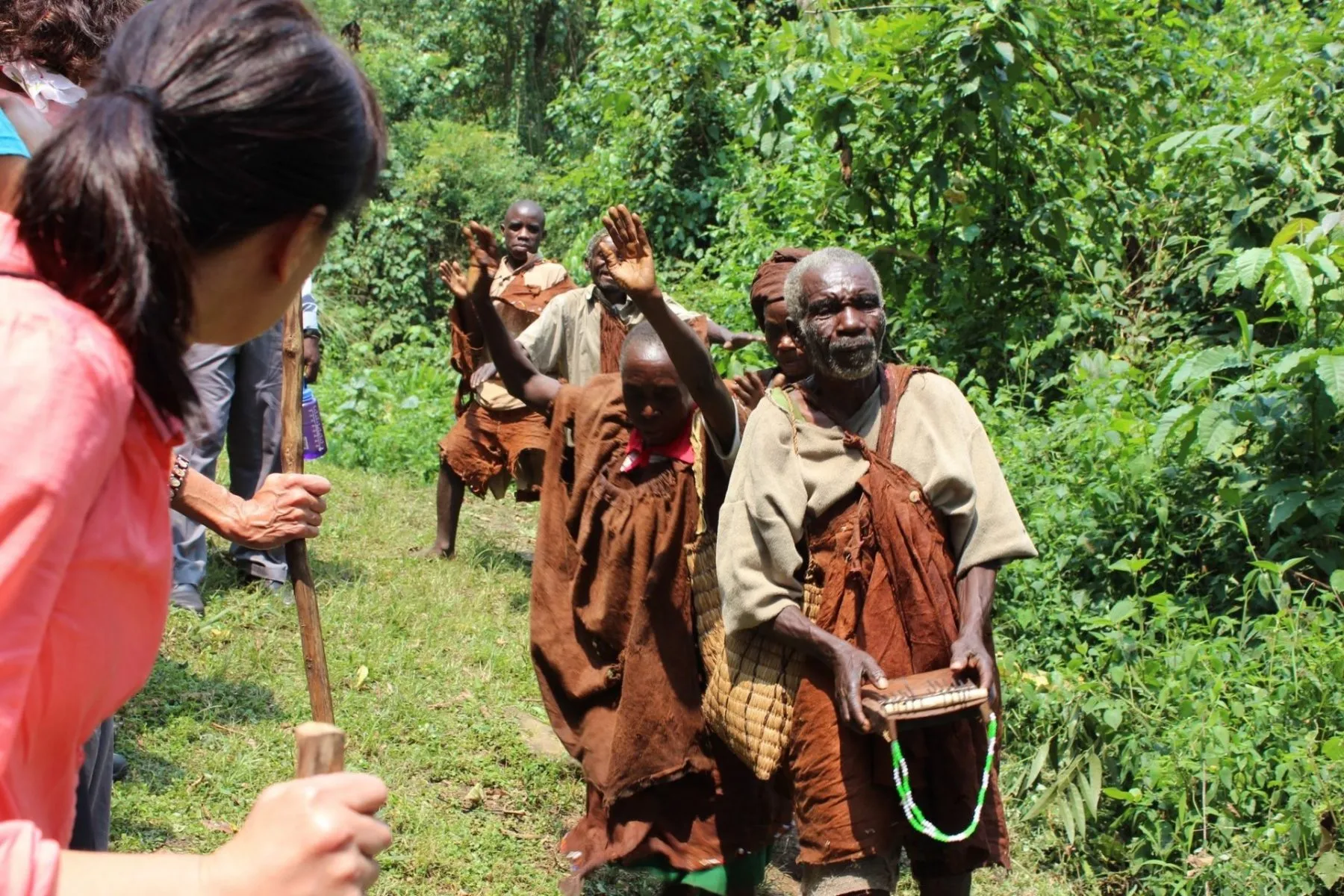
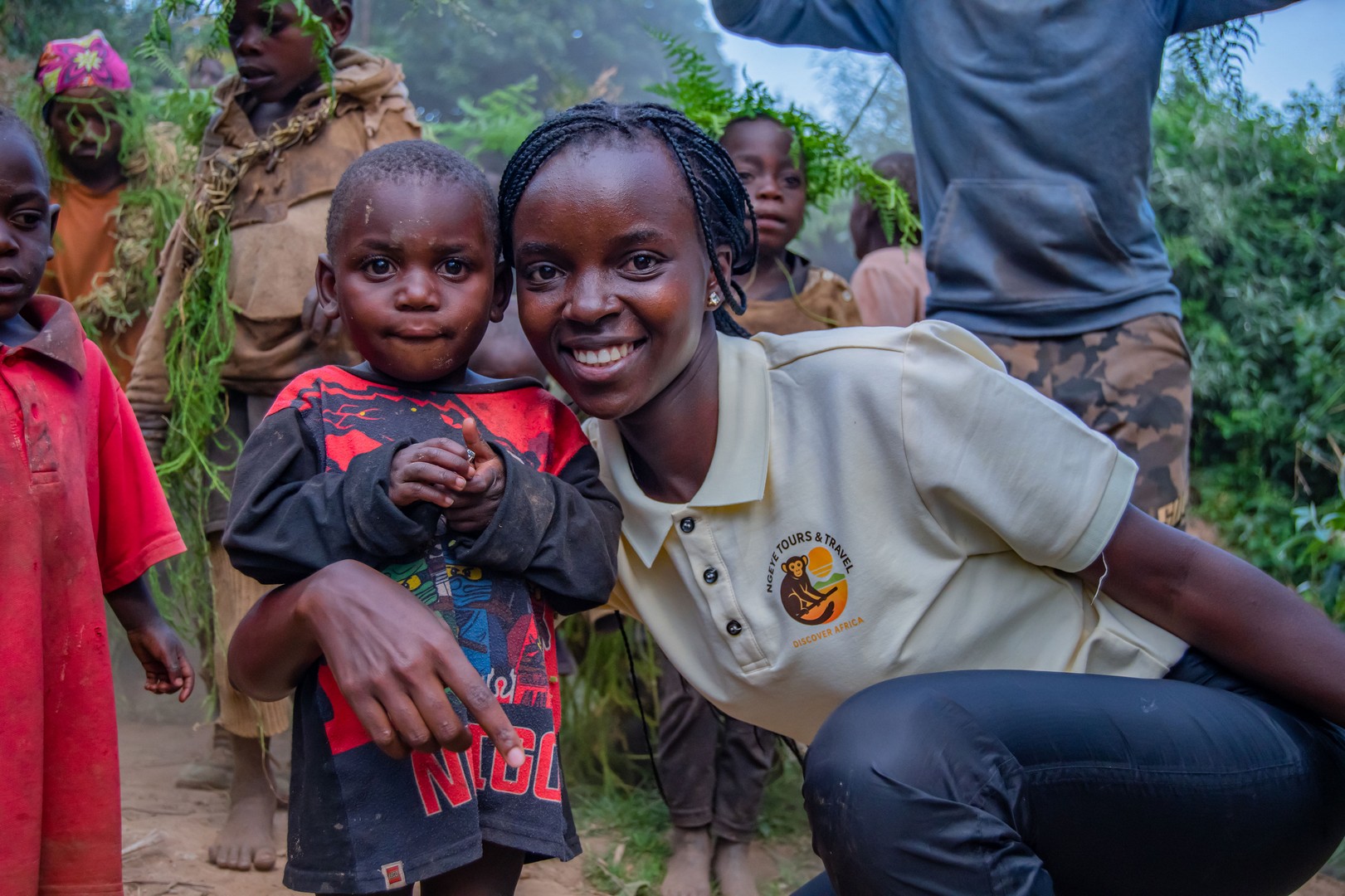
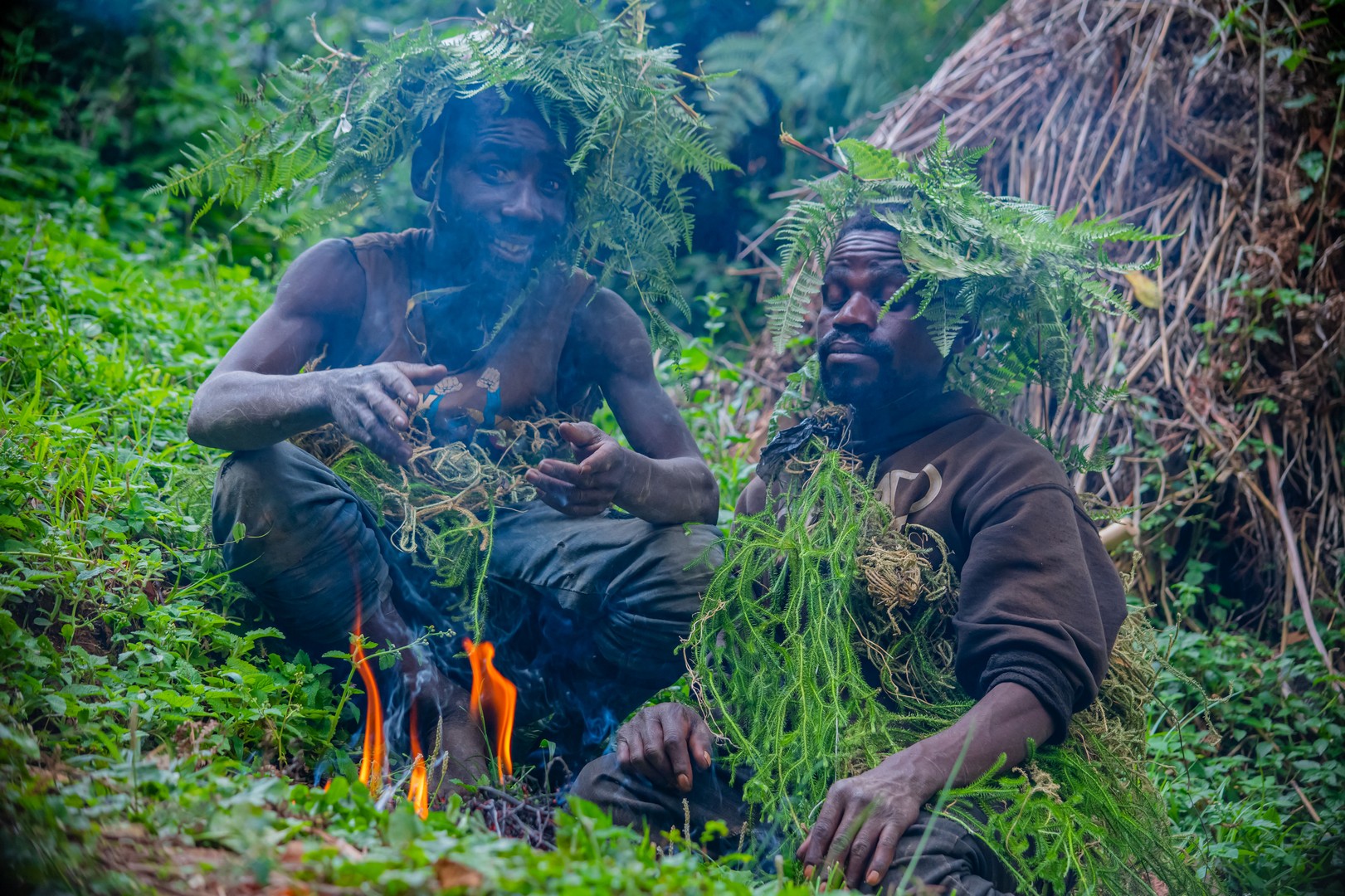
A Batwa cultural visit usually begins with a welcome by community members. Guests learn about traditional housing, tools, and daily life. Guides demonstrate hunting techniques, medicinal plants, and fire-making methods. Storytelling shares history and challenges.
Music and dance performances form a highlight. Visitors may join in singing or dancing. The experience feels interactive, warm, and genuine. In 2026, programs continue to focus on dignity and respect.
Batwa Cultural Experience in Bwindi 2026
How Long Does a Batwa Cultural Visit Take?
Most Batwa experiences last between one and three hours. This allows enough time for learning, interaction, and performances without feeling rushed. Some extended programs include forest walks and craft workshops.
In 2026, flexible scheduling allows travelers to combine Batwa visits with gorilla trekking days or leisure afternoons. This makes planning easy and convenient.
Is the Batwa Cultural Experience Suitable for Families and Older Travelers?
Yes, Batwa visits suit all age groups. The walks are gentle and the environment relaxed. Children enjoy the music and stories. Older travelers appreciate the educational and cultural depth.
In 2026, many families include Batwa visits as a highlight of their Uganda safari. It offers learning, fun, and cultural awareness in one activity.
How Does the Batwa Experience Support Community Development?
Tourism revenue from Batwa visits supports education, healthcare, housing, and skills training. It helps communities improve living conditions and preserve cultural identity. Visitors contribute directly through entrance fees and craft purchases.
In 2026, responsible tourism continues to play a key role in Batwa empowerment. Choosing ethical operators ensures benefits reach the community.
Can the Batwa Experience Be Combined with Gorilla Trekking and Other Safaris?
Yes, the Batwa experience fits perfectly with gorilla trekking, birding, and nature walks in Bwindi. Many travelers visit the Batwa community in the afternoon after a morning gorilla trek. It also combines well with Lake Bunyonyi visits.
In 2026, multi-experience itineraries remain popular. Travelers enjoy wildlife, culture, and scenery in one seamless journey.
What Should Travelers Expect to Learn from the Batwa Community?
Visitors learn about forest survival skills, traditional medicine, hunting methods, and spiritual beliefs. They hear personal stories about life before and after relocation from the forest. This creates empathy and understanding.
In 2026, these stories remain powerful. They remind travelers of the human side of conservation and the importance of inclusive tourism.
What Should Travelers Bring for a Batwa Cultural Visit?
Comfortable walking shoes, light clothing, and a respectful attitude are essential. Small cash for crafts or donations supports the community. Cameras are welcome, but visitors should always ask before taking photos.
In 2026, guides continue to brief guests on cultural etiquette to ensure respectful interactions.
Why Is Responsible Tourism Important When Visiting the Batwa?
Responsible tourism protects dignity and culture. It ensures visits are not exploitative and that communities control their own narratives. Respectful behavior builds trust and long-term benefit.
In 2026, ethical tourism standards continue to guide Batwa programs. Visitors play a role by choosing responsible operators and following guidelines.
Why Choose Ngeye Uganda Tours for Batwa Cultural Experiences in 2026?
Ngeye Uganda Tours works closely with Batwa communities to create respectful and meaningful visits. Our itineraries balance cultural learning, comfort, and conservation awareness. We ensure guests experience authentic interaction while supporting community wellbeing.
In 2026, the Batwa cultural experience remains one of Uganda’s most touching and educational activities. With professional planning and local partnerships, travelers gain insight into Uganda’s oldest forest culture. Ngeye Uganda Tours is your trusted partner for authentic cultural safaris.