
Which is Better for Wildlife Safaris: Kenya or Tanzania?
January 27, 2026
Is Uganda Worth Visiting in 2026
January 27, 2026
Best Time to Visit Uganda for Gorilla Trekking and Safaris in 2026
Choosing the best time to visit Uganda in 2026 directly shapes the quality of your safari experience. Weather patterns affect gorilla trekking conditions, wildlife visibility, road accessibility, photography outcomes, and overall comfort. Uganda sits on the equator, which gives it a generally stable climate throughout the year. However, rainfall cycles and tourism seasons still play an important role in planning.
Uganda does not have extreme seasons like southern Africa. Instead, it experiences alternating dry and wet periods that influence travel conditions rather than stopping travel entirely. This makes Uganda a year-round safari destination. The key lies in matching travel goals with seasonal advantages, whether the focus is gorilla trekking, wildlife photography, birding, cultural experiences, or luxury travel.
Understanding these seasonal nuances allows travelers to plan with confidence, avoid common misconceptions, and maximize value in 2026.
What Are the Main Seasons in Uganda?
Uganda’s climate is divided into dry seasons and wet seasons rather than summer and winter. The main dry seasons run from January to February and from June to September. These months generally offer lower rainfall, clearer hiking trails, and more predictable wildlife movement.
The wet seasons occur from March to May and from October to November. Rainfall varies by region and rarely lasts all day. Forests remain lush, landscapes turn vibrant, and tourism pressure decreases. Roads in remote areas can become muddy, but national parks remain accessible with proper planning and experienced guides.
Rather than asking whether to visit during dry or wet seasons, travelers should consider what each season offers and how it aligns with their safari priorities.
When Is the Best Time for Gorilla Trekking in Uganda?
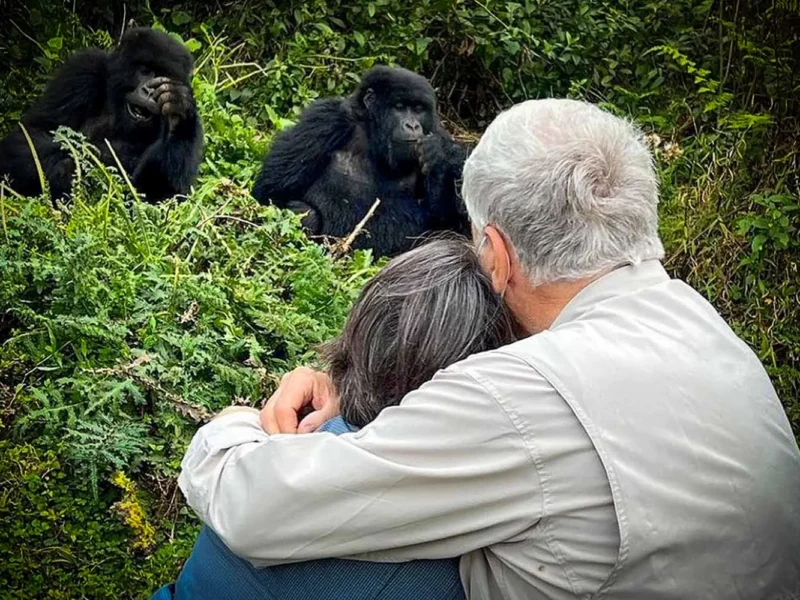
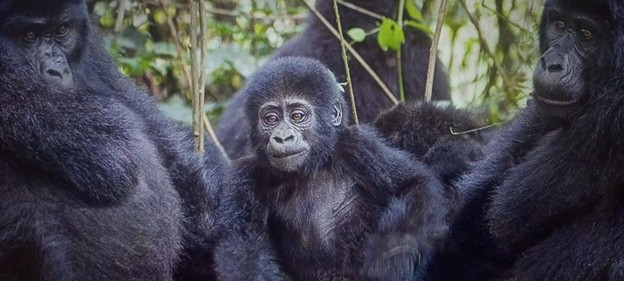
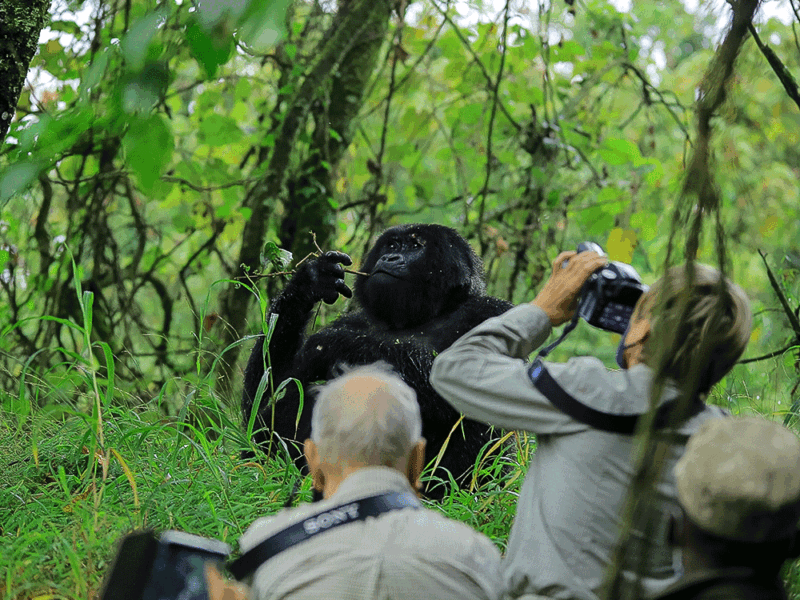
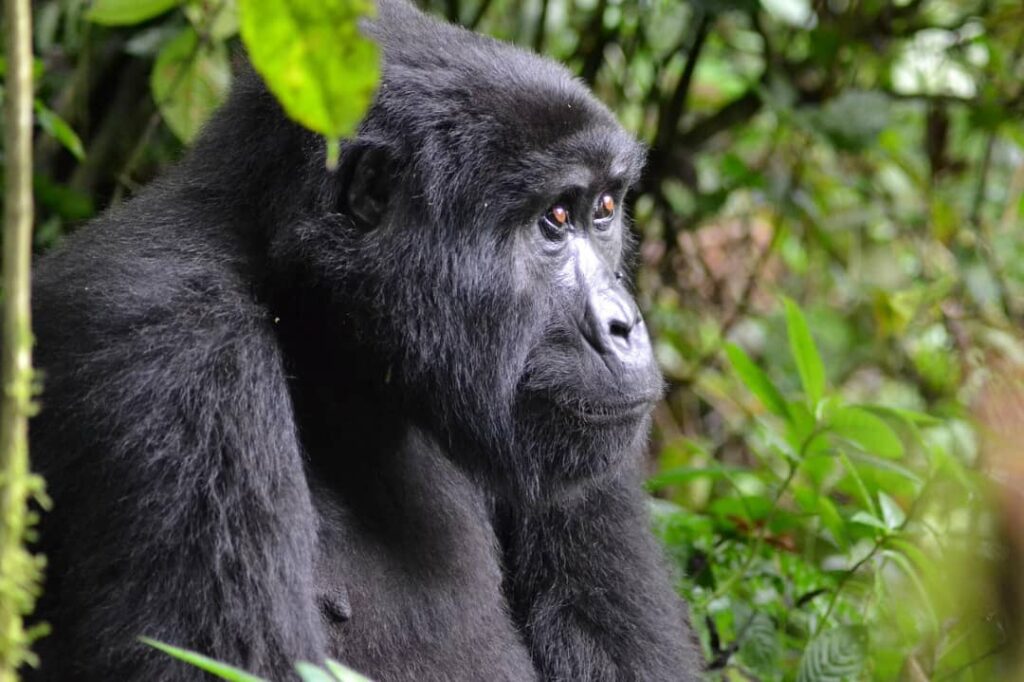
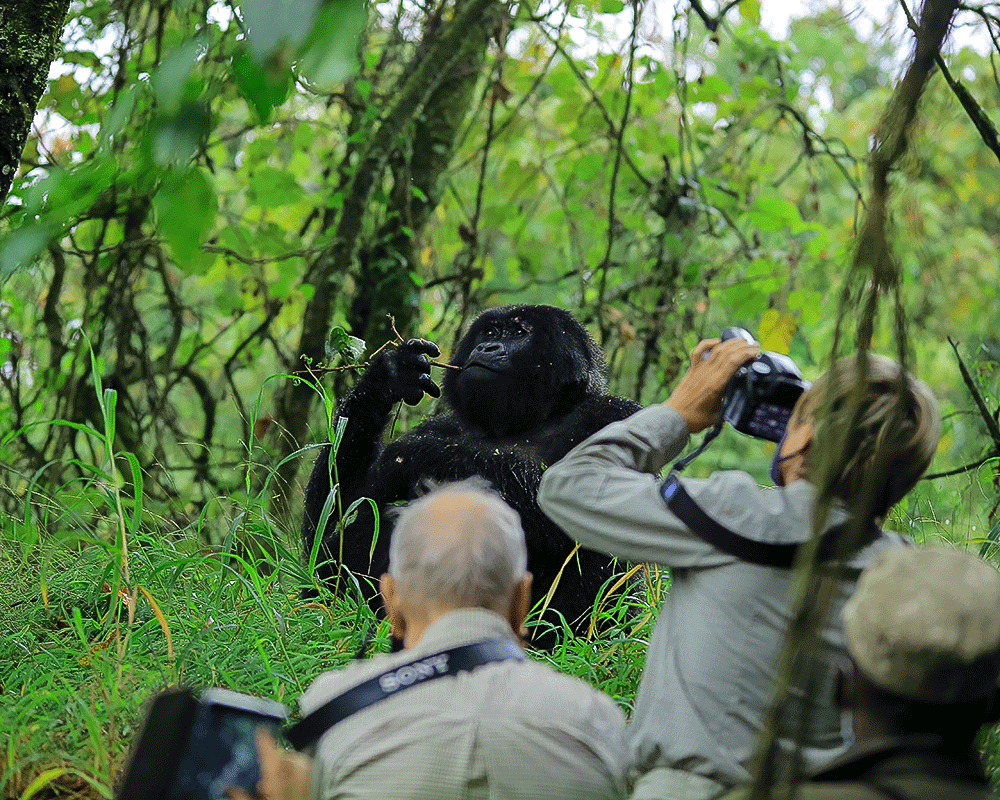
Gorilla trekking in Uganda is possible throughout the year. However, the most comfortable trekking conditions usually occur during the dry seasons between January and February and from June to September. Trails are less slippery, visibility improves, and trekking times feel more manageable for many visitors.
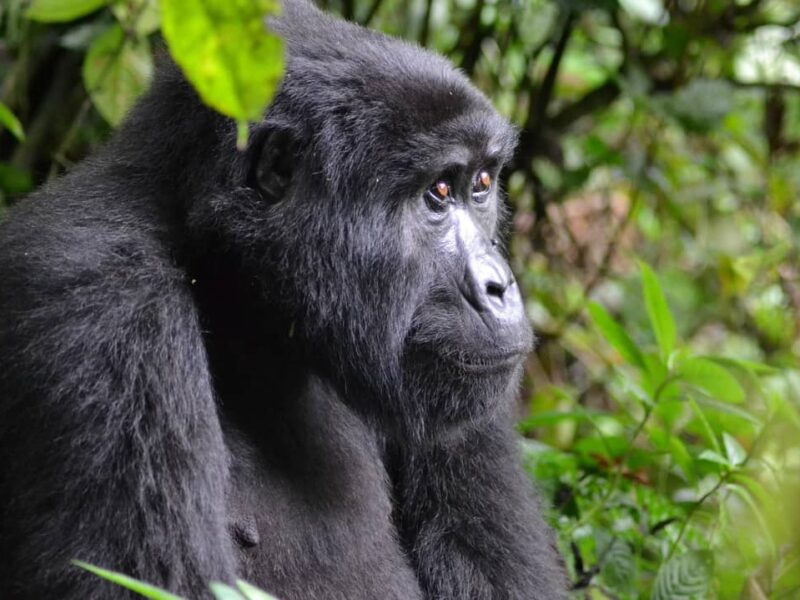
That said, gorilla sightings remain consistent year-round because gorilla families stay within protected forest ranges. Even during wet months, the experience remains powerful and well organized. Some travelers prefer the wet season because permits and accommodation availability improve, and forest scenery becomes richer and more dramatic.
For travelers seeking optimal balance between comfort and value, the shoulder months of February, early June, and September often provide excellent conditions without peak-season crowds.
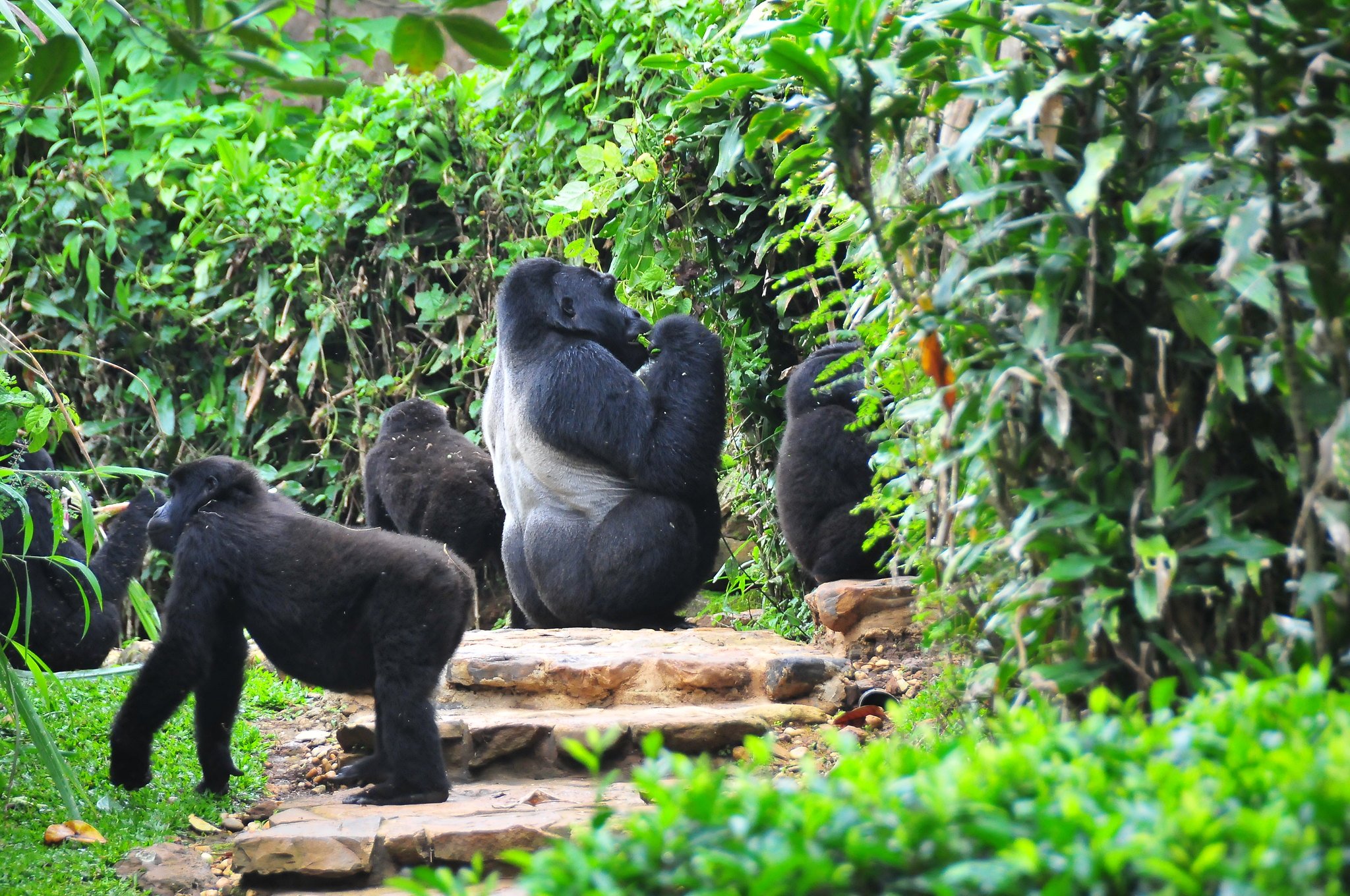
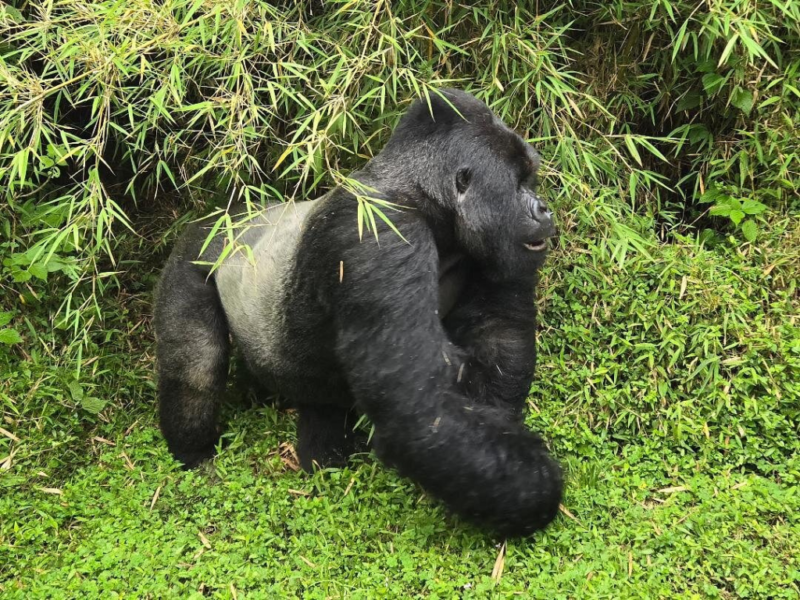
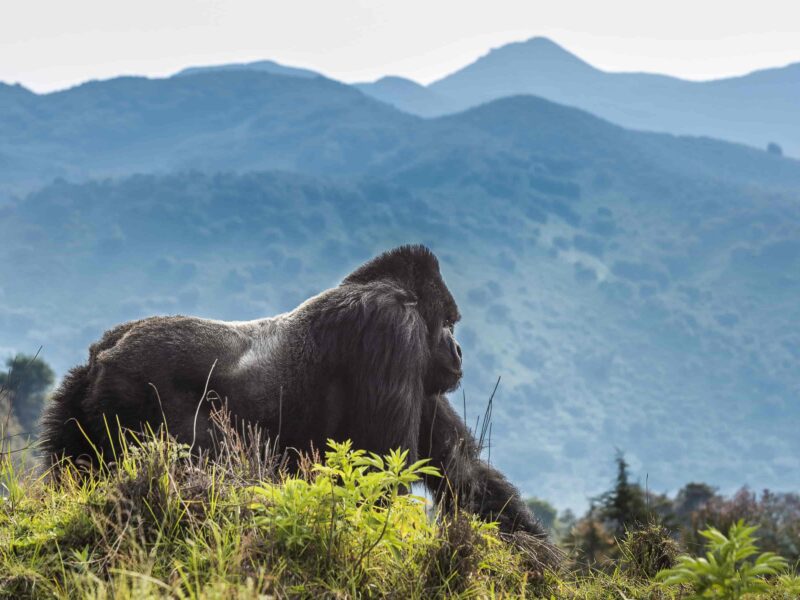
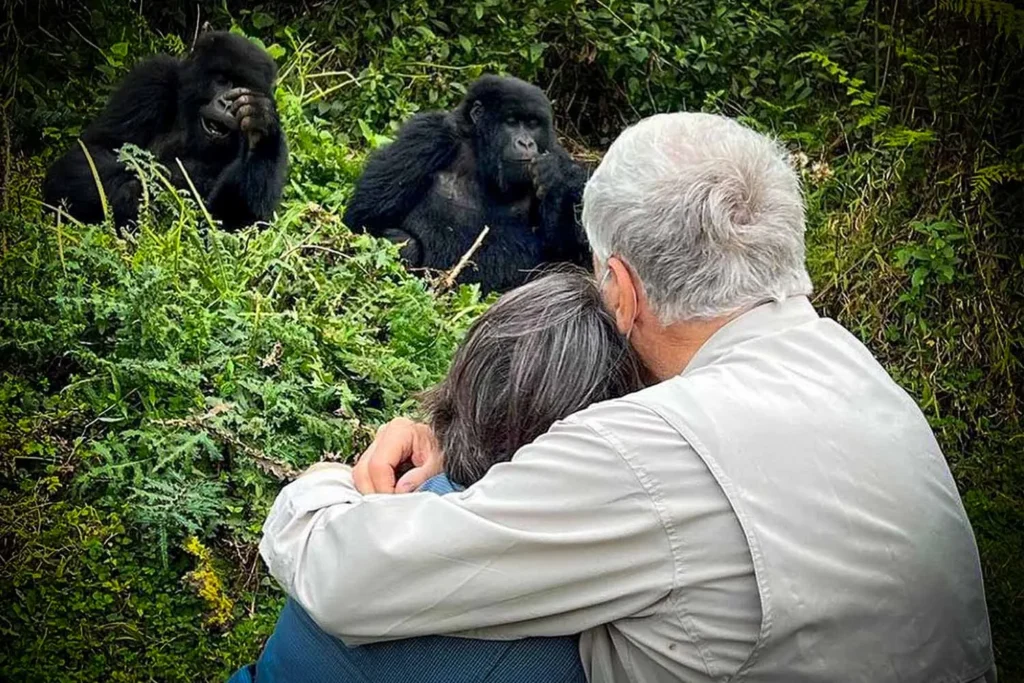
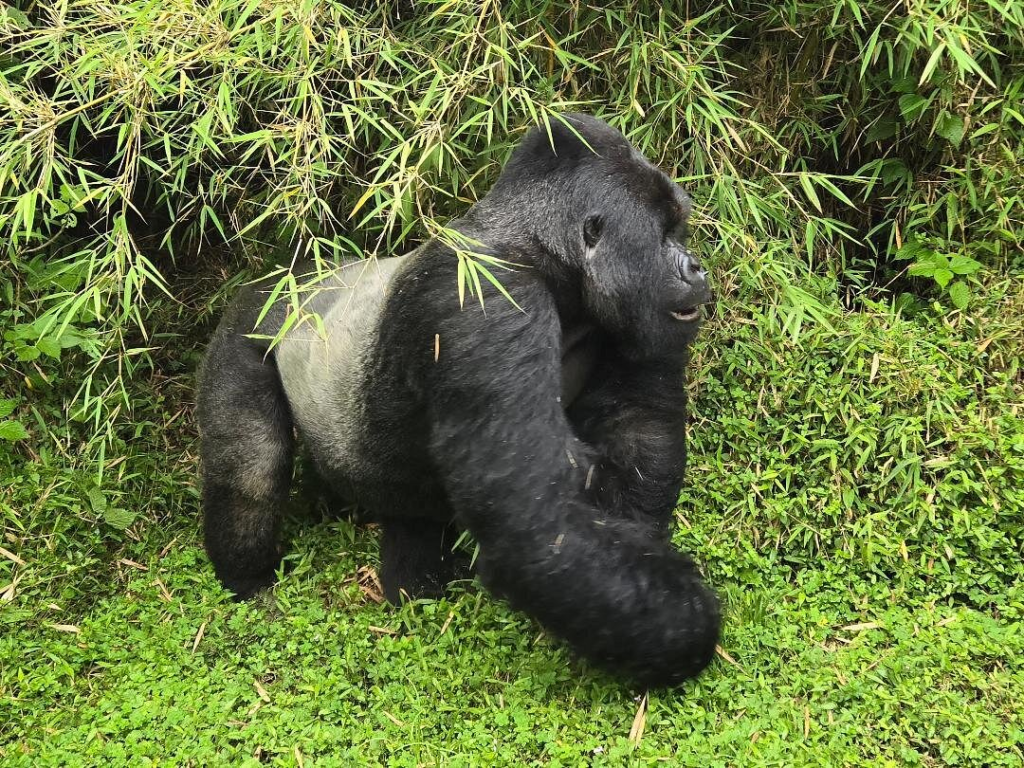
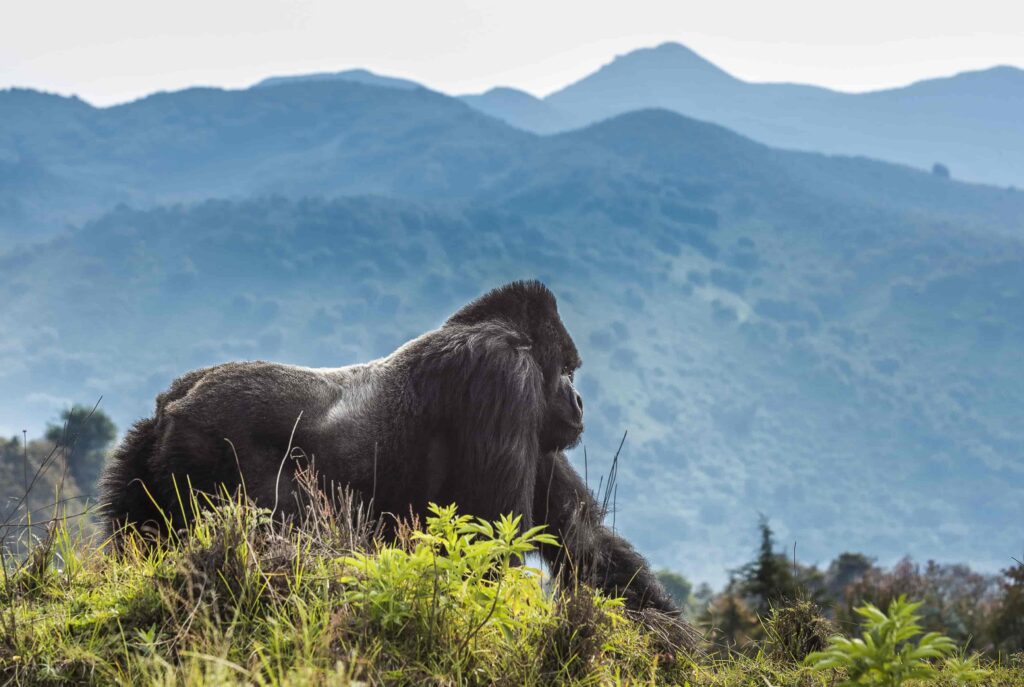
A Gorilla Family Lead By a Silverback Caught Feeding in One of The Lodges in Bwindi
How Does Seasonality Affect Safari Wildlife Viewing?
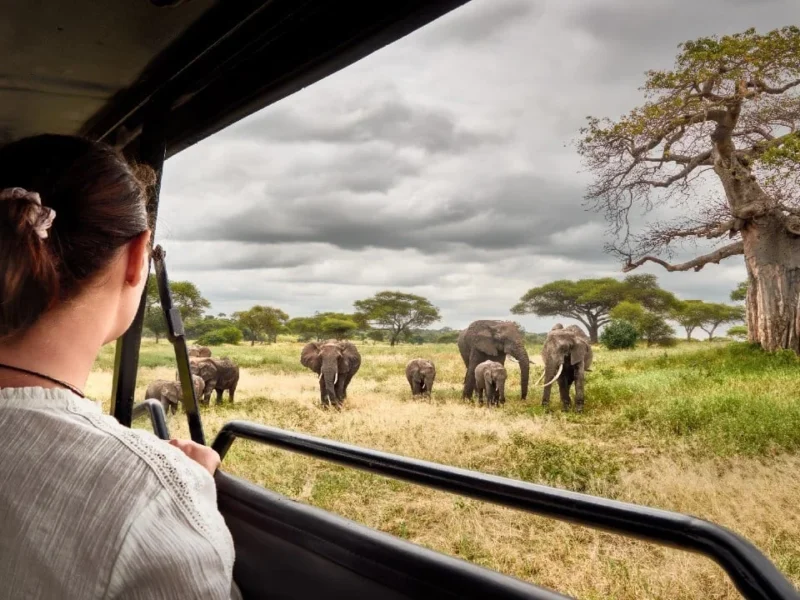
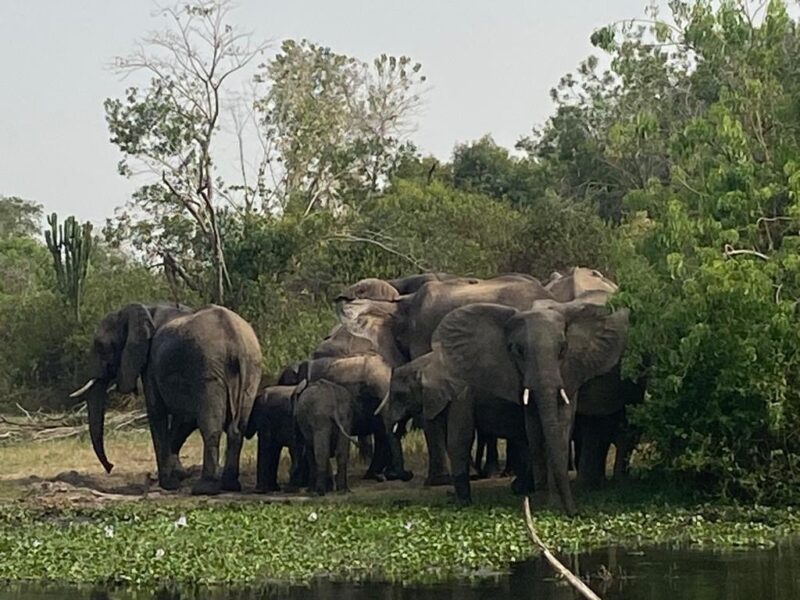
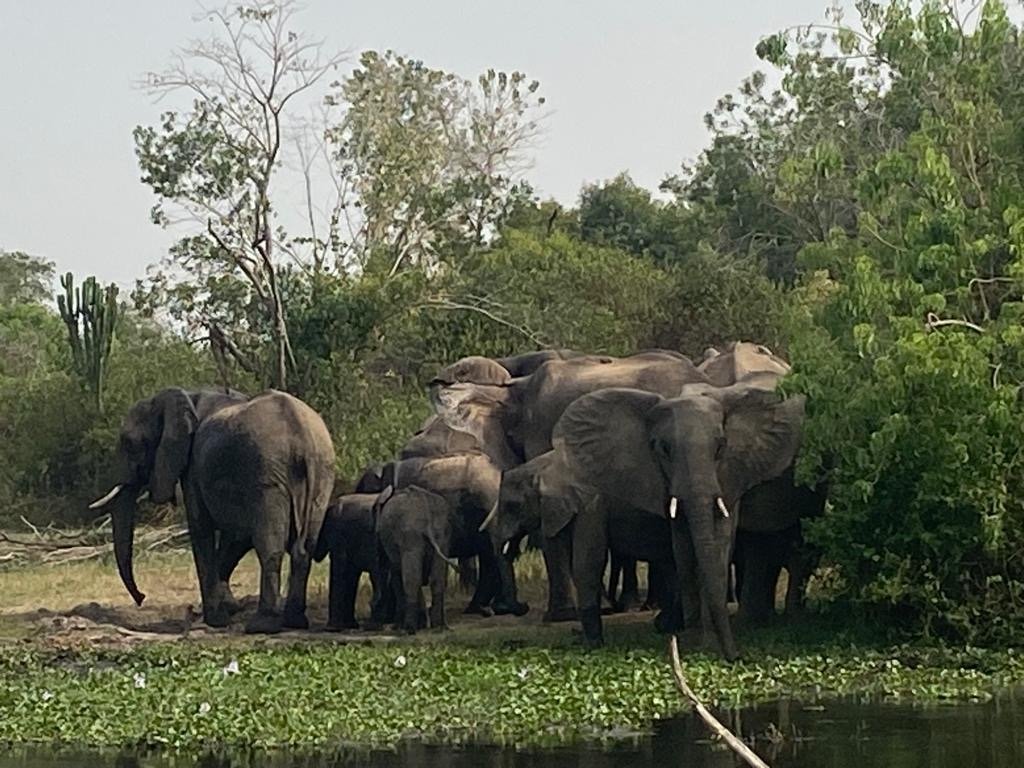
Classic wildlife safaris in Uganda, particularly in Queen Elizabeth National Park and Murchison Falls National Park, vary slightly by season. During dry months, animals tend to gather around water sources, which improves visibility during game drives and boat safaris.
In wetter months, wildlife disperses across wider areas due to abundant water and vegetation. This can make sightings slightly less concentrated, but it also creates beautiful natural scenes and healthier ecosystems. Boat safaris along the Nile and Kazinga Channel remain strong throughout the year.
Uganda’s wildlife experience focuses on diversity rather than sheer density, making it rewarding in all seasons when guided by experienced safari professionals.
Is the Wet Season a Bad Time to Visit Uganda?
The wet season is often misunderstood. Rainfall in Uganda is usually brief and localized rather than constant. Many travelers enjoy visiting during this period because landscapes appear greener, photography conditions improve, and tourism pressure reduces.
The wet season also brings lower demand for accommodation, which can translate into better value and more lodge availability. Birding enthusiasts particularly favor this period because migratory species arrive and resident birds display breeding plumage.
For travelers who prioritize solitude, flexibility, and scenery, the wet season offers excellent opportunities rather than limitations.
When Is the Best Time for Birding Safaris in Uganda?
Uganda ranks among Africa’s top birding destinations, with over one thousand recorded species. Birding remains excellent throughout the year, but peak conditions occur from November to April. This period coincides with the arrival of Palearctic migrants and increased bird activity.
Wet months enhance birding success due to breeding behavior, vocalization, and active feeding patterns. Forests, wetlands, and savannah ecosystems all come alive during this period. Destinations such as Mabamba Swamp, Bwindi Forest, Queen Elizabeth National Park, and Kibale Forest offer outstanding birding opportunities.
For serious birders, timing a safari around these months significantly increases species diversity and photographic potential.
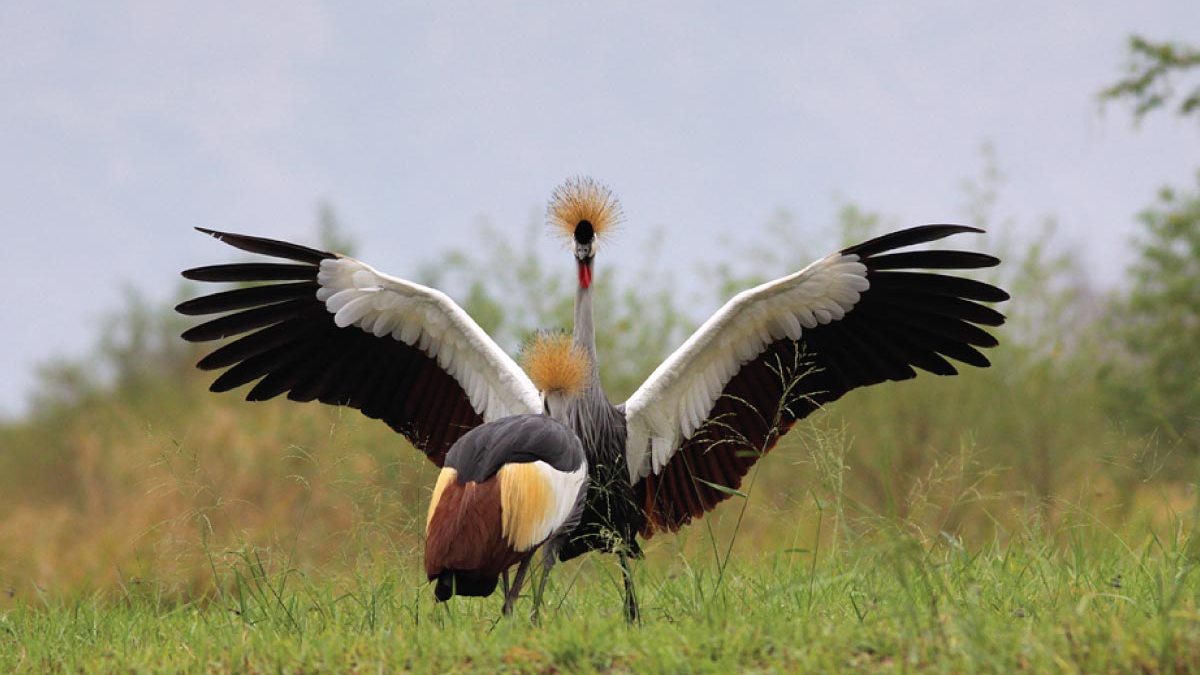
A Male and Female Crested Crane in Uganda
How Do Travel Costs Change Throughout the Year?
Seasonality affects travel costs in Uganda more through demand than fixed pricing. Gorilla trekking permit prices remain stable throughout the year, but accommodation rates often fluctuate. High season months usually bring higher lodge rates and faster booking timelines.
Low and shoulder seasons often provide better accommodation offers, more flexible itineraries, and reduced competition for permits. Travelers planning extended safaris or luxury experiences often find greater negotiating power during these periods.
Working with an experienced tour operator ensures travelers secure the best value regardless of season.
Which Months Offer the Best Overall Value in 2026?
For many travelers, the best value months fall just outside peak periods. February, early June, September, and early December often combine favorable weather, good wildlife activity, and moderate pricing.
These months also offer a more relaxed atmosphere within national parks, which enhances the sense of exclusivity and immersion. Travelers who can adjust travel dates slightly often gain a superior experience without compromising comfort.
Final Expert Advice for Planning Your Uganda Safari
There is no single perfect month to visit Uganda in 2026. The best time depends on travel goals, comfort preferences, and budget considerations. Gorilla trekking remains exceptional year-round. Wildlife safaris reward patience in every season. Birding peaks during wetter months. Cultural experiences remain constant throughout the year.
With expert planning and local insight, Uganda delivers remarkable safari experiences in every season. Understanding timing simply helps travelers shape the journey that suits them best.