
Complete Uganda Safari Guide 2026
January 8, 2026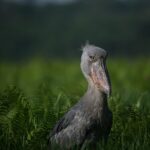
Where Can You See the Shoebill Stork in Uganda in 2026?
January 8, 2026
Birding in Uganda and Kenya 2026
Uganda and Kenya continue to rank among Africa’s most rewarding birding destinations in 2026. Together, they offer an extraordinary range of habitats, from rainforests and wetlands to savannahs, lakes, mountains, and coastal ecosystems. This diversity supports more than 1,400 recorded bird species across the two countries, making East Africa a dream region for birdwatchers.
Travelers choose Uganda and Kenya because they combine rare endemic species, excellent guiding, and reliable infrastructure. Birding here feels authentic, immersive, and well supported. In 2026, both countries continue to attract serious birders, photographers, and nature lovers seeking high-quality experiences without mass tourism pressure.
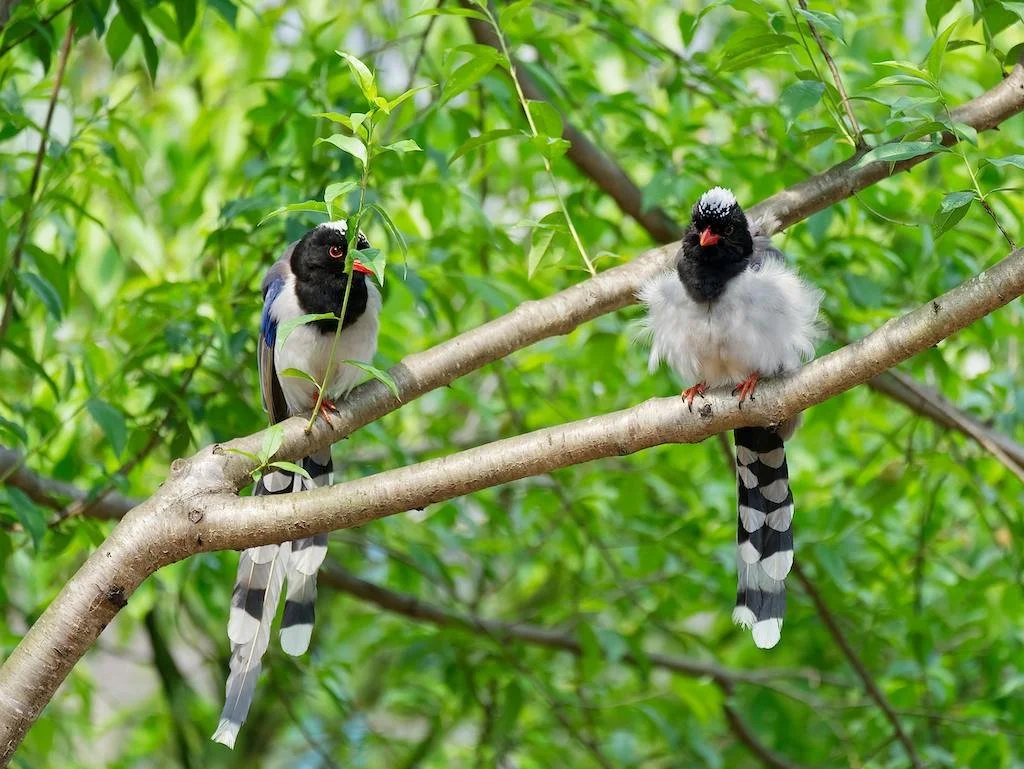
Two Red-Billed Blue Magpies rest on a tree in Uganda
What Makes Uganda One of the Best Birding Countries in the World?
Uganda is widely regarded as one of Africa’s top birding destinations. The country hosts over 1,000 bird species within a compact area. This means travelers can move easily between ecosystems and record high species counts in a short time. Few countries in the world offer such density.
Uganda’s unique position where East African savannah, West African rainforest, and Albertine Rift ecosystems meet creates exceptional diversity. From lowland forests to highland ranges, Uganda delivers constant variety. In 2026, improved access to key birding sites continues to enhance the experience.
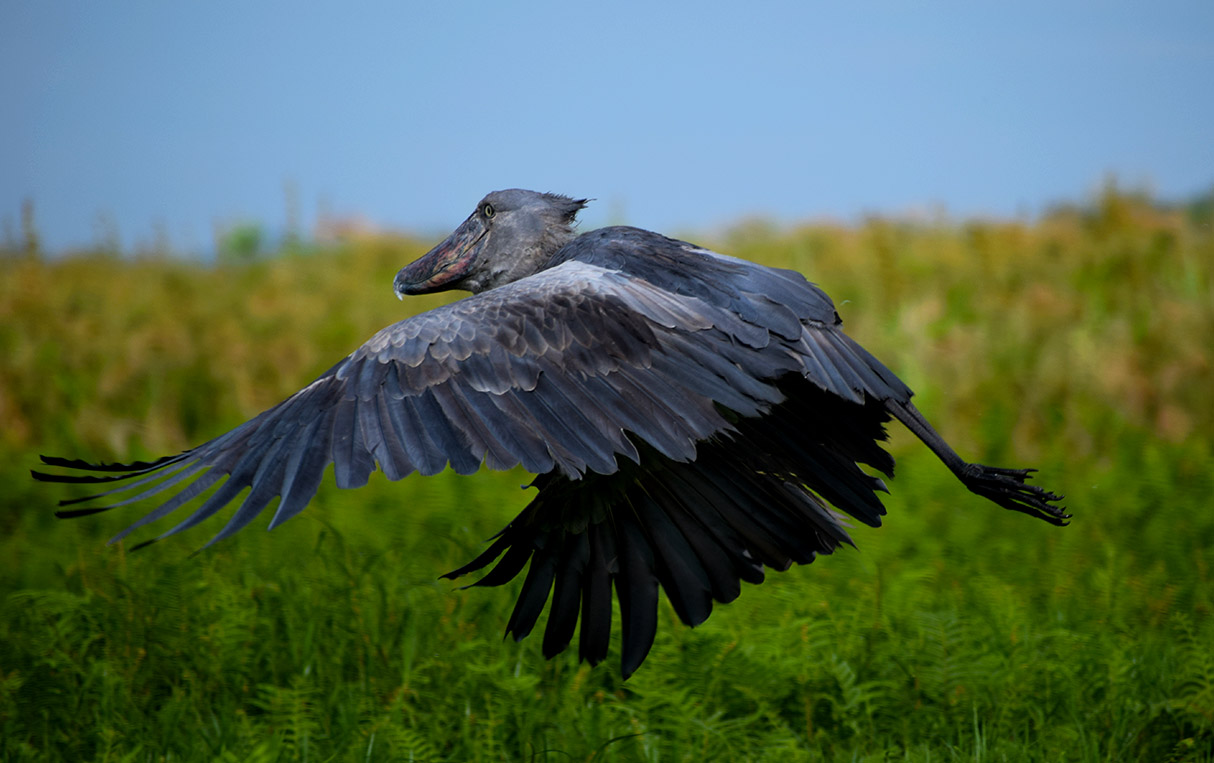
A Shoebill Stock in Mabamba Swamp, Uganda
Where Are the Best Birding Locations in Uganda in 2026?
Bwindi Impenetrable Forest stands out for Albertine Rift endemics. Kibale Forest offers forest specialists and mixed species flocks. Queen Elizabeth National Park combines savannah birds with wetland species. Murchison Falls National Park delivers riverine, woodland, and savannah birds.
Mabamba Swamp remains famous for the Shoebill Stork. Semuliki, Budongo, Kidepo Valley, and Lake Mburo add further richness. In 2026, these destinations remain well managed and accessible, making Uganda a complete birding circuit.
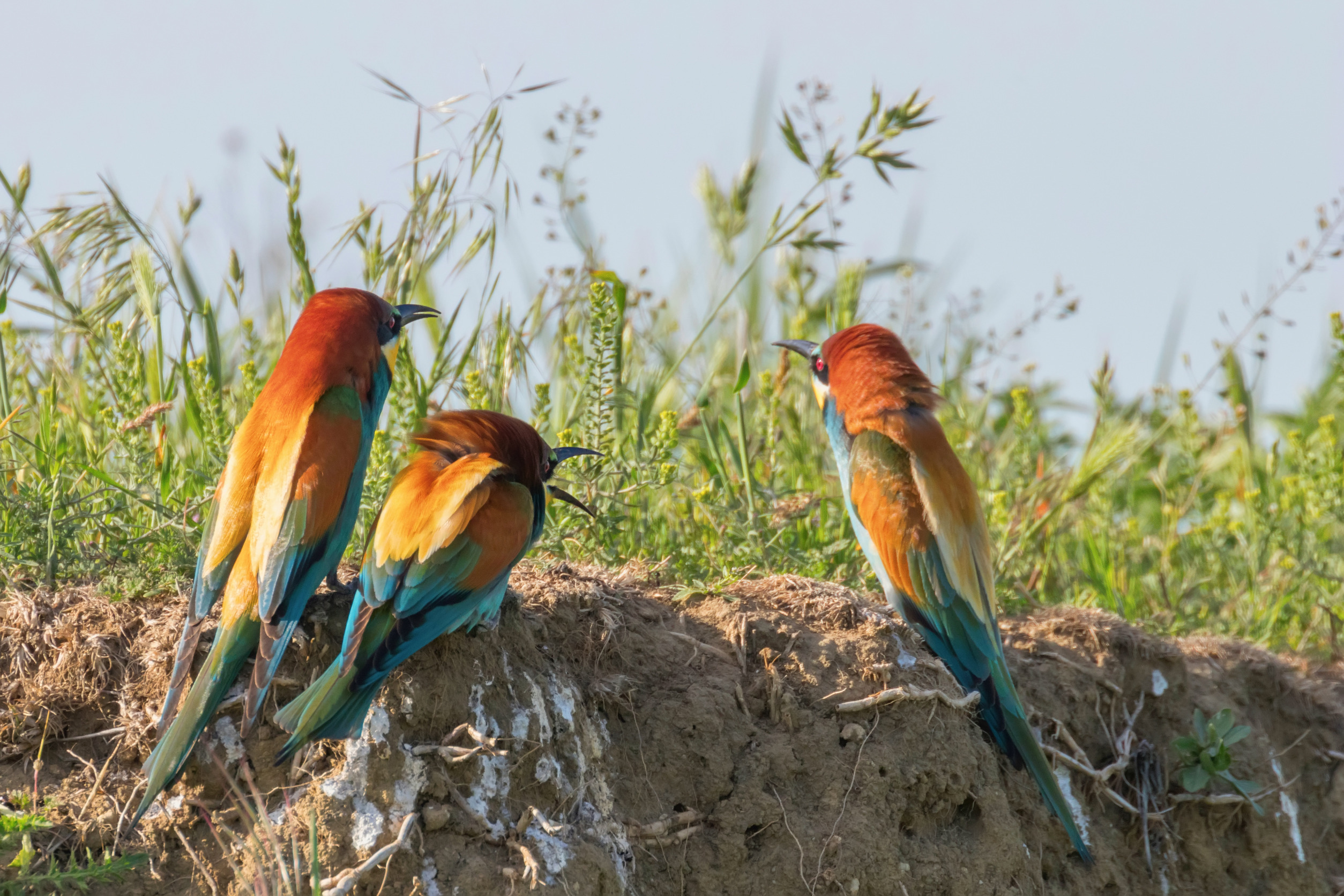
Birding in Uganda and Kenya 2026
Why Is Kenya a Classic Birding Destination in Africa?
Kenya has long been a leader in African birding. The country offers dramatic landscapes and a wide range of habitats. From the Rift Valley lakes to the highlands, savannahs, forests, and coastal regions, Kenya supports over 1,100 bird species.
Kenya’s strong safari infrastructure, professional guides, and established birding routes make it ideal for both first-time birders and experienced listers. In 2026, Kenya continues to deliver consistent quality and variety for birdwatching tours.
Which Are the Best Birding Locations in Kenya in 2026?
Lake Nakuru and Lake Naivasha are famous for waterbirds and raptors. The Maasai Mara offers grassland species and migratory birds. Arabuko-Sokoke Forest provides rare coastal forest species. Kakamega Forest supports Central African species not found elsewhere in Kenya.
The Taita Hills, Mount Kenya, Aberdare ranges, and the coastal belt add montane and endemic species. In 2026, these regions remain essential stops on any serious Kenya birding itinerary.
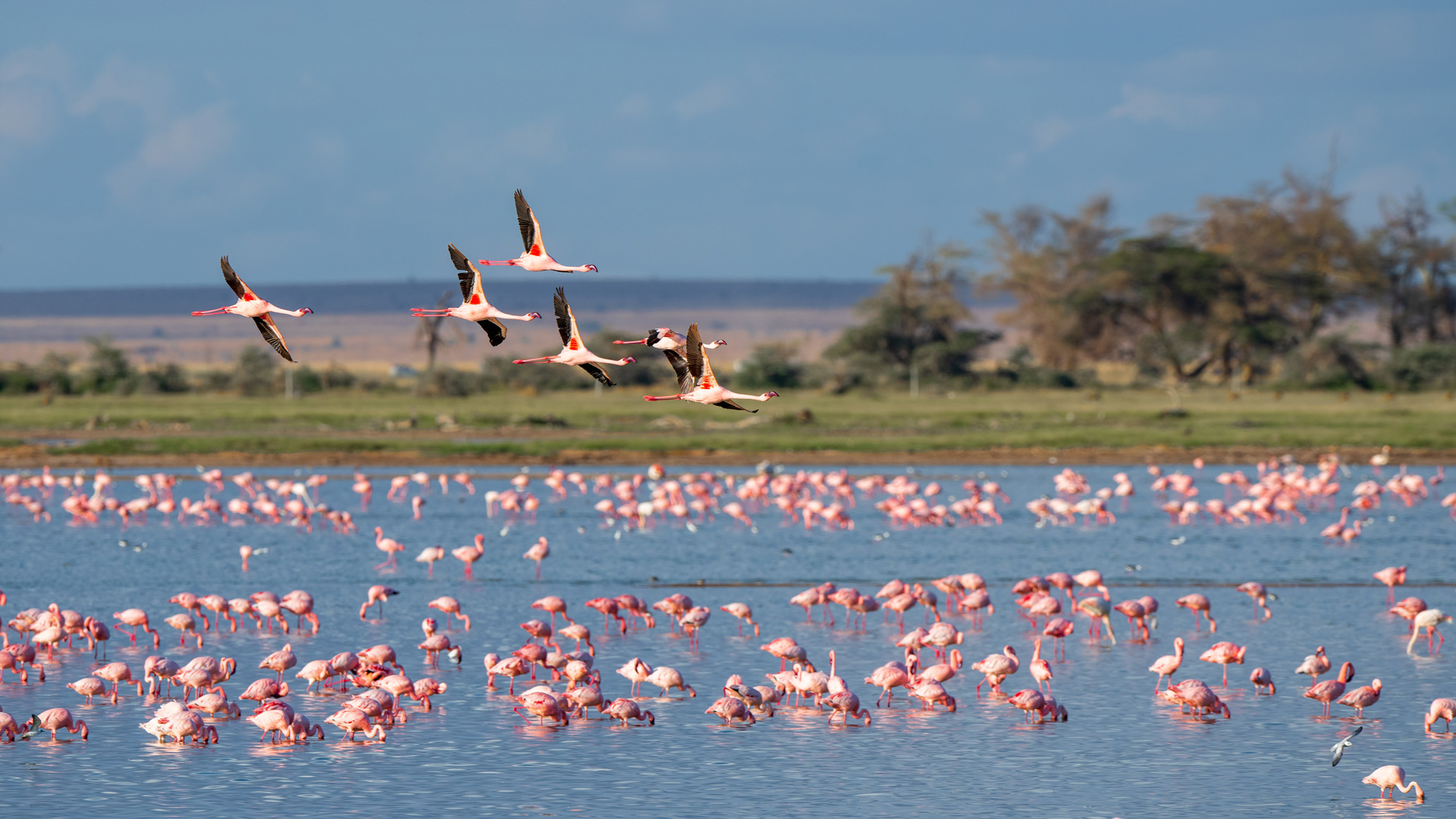
5 Days Kenya Wildlife Safari
When Is the Best Time for Birding in Uganda and Kenya?
Birding in Uganda and Kenya is possible year-round. Resident species remain active in all seasons. Migratory birds arrive during specific months, increasing species diversity. Wet seasons bring breeding activity, bright plumage, and vocal displays.
In 2026, many birders choose shoulder seasons to avoid crowds and enjoy excellent conditions. Rain enhances forest activity and insect availability, which attracts birds. Dry seasons offer easier access and comfortable travel. Each period offers unique rewards.
What Bird Species Can Travelers Expect to See?
Uganda delivers Shoebill Stork, Great Blue Turaco, Green-breasted Pitta, and numerous Albertine Rift endemics. Forest species, sunbirds, hornbills, and turacos appear regularly.
Kenya offers ostriches, secretary birds, flamingos, bee-eaters, bustards, and a wide range of raptors. Together, the two countries cover a remarkable spectrum of African birdlife. In 2026, birders continue to achieve impressive species lists across combined itineraries.
How Can Birding Be Combined with Gorilla Trekking and Safaris?
One of the biggest advantages of birding in Uganda and Kenya is the ability to combine birdwatching with classic safaris. Uganda, birding pairs naturally with gorilla trekking, chimpanzee tracking, and game drives. In Kenya, birding blends easily with the Maasai Mara, Amboseli, and Tsavo safaris.
Many travelers design itineraries that balance birding with big game viewing. This approach appeals to couples, families, and mixed-interest groups. Everyone enjoys something, making the journey richer and more inclusive.
What Level of Guiding and Expertise Is Available?
Uganda and Kenya both offer highly trained bird guides. Many guides specialize in identification by sight and sound. Their local knowledge increases species counts and enhances learning. In 2026, guiding standards remain strong, with ongoing training and field experience.
Good guides understand habitat behavior, migration patterns, and seasonal movements. They know where to find rare species and how to approach quietly. This expertise transforms a simple walk into a rewarding discovery experience.
What Accommodation Options Suit Birding Safaris in 2026?
Birding safaris range from comfortable lodges to luxury eco-retreats. Uganda offers forest lodges, lakeside camps, and savannah properties. Kenya provides tented camps, boutique lodges, and coastal resorts.
In 2026, many lodges focus on sustainability and nature integration. Early morning access, packed breakfasts, and flexible schedules support birding activities. Comfort and location remain key factors in choosing the right accommodation.
Why Combine Uganda and Kenya for a Single Birding Trip?
Combining Uganda and Kenya creates one of Africa’s most complete birding experiences. Uganda adds rainforest, endemics, and Shoebill encounters. Kenya contributes open landscapes, lakes, and migratory routes.
Together, they deliver exceptional species diversity in one journey. In 2026, improved regional connections make cross-border itineraries smooth and efficient. This combination suits serious birders and nature enthusiasts seeking depth and variety.
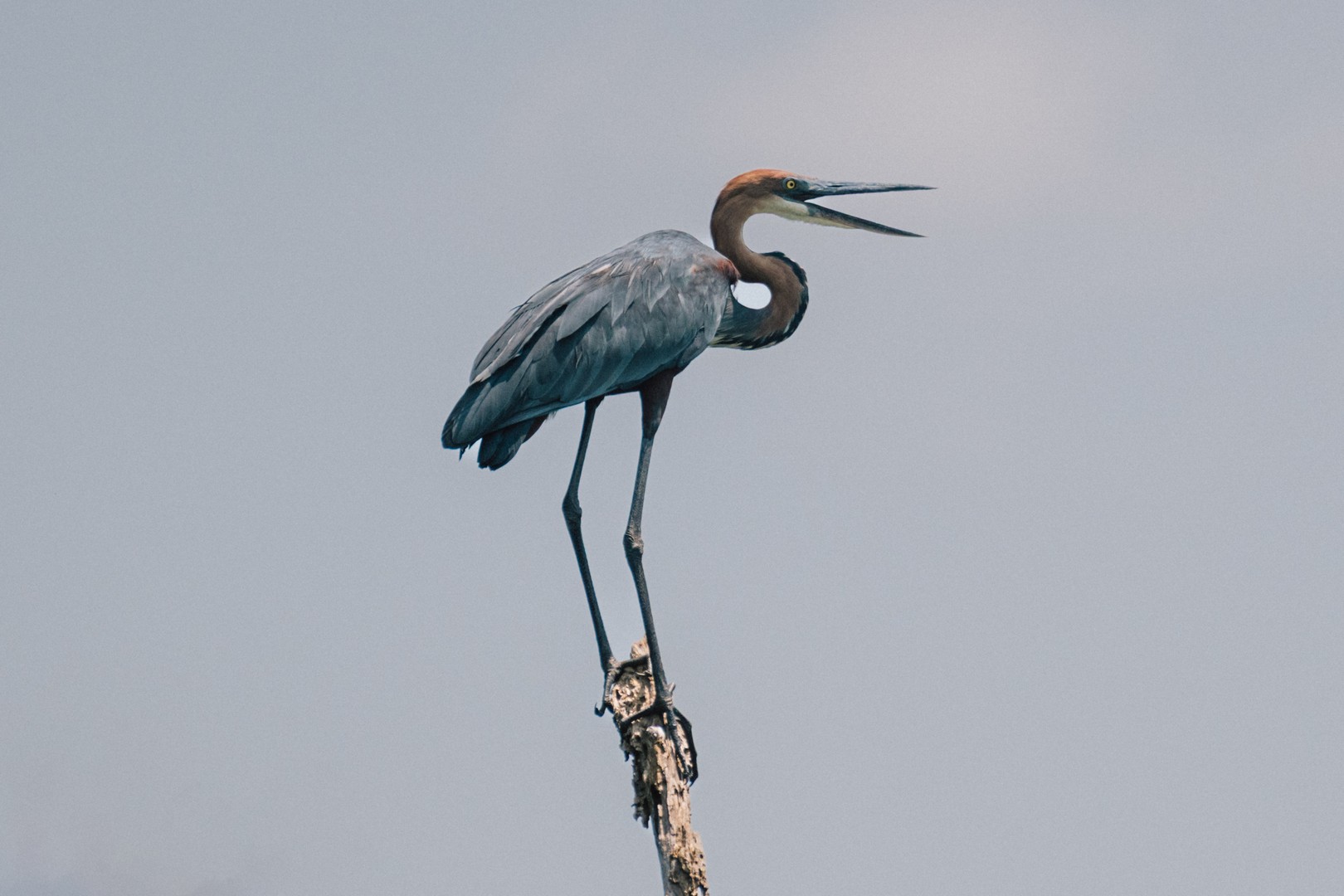
12 Day Uganda, Kenya, Tanzania & Zanzibar Safari
Why Should Travelers Choose Ngeye Uganda Tours for Birding Safaris in 2026?
Ngeye Uganda Tours designs birding itineraries based on deep local knowledge, reliable logistics, and experienced guides. Each journey balances species targets, habitat diversity, comfort, and realistic pacing. Our team understands both Uganda and Kenya birding routes and works closely with trusted partners.
In 2026, birding in Uganda and Kenya offers some of Africa’s richest nature experiences. With professional planning and expert guiding, travelers enjoy unforgettable encounters with East Africa’s spectacular birdlife. Ngeye Uganda Tours remains your trusted partner for exceptional birding safaris.