
Why Is Kyahugye Island Known for Wildlife?
April 14, 2026
How Long Does a Gorilla Trek Last in Bwindi?
April 14, 2026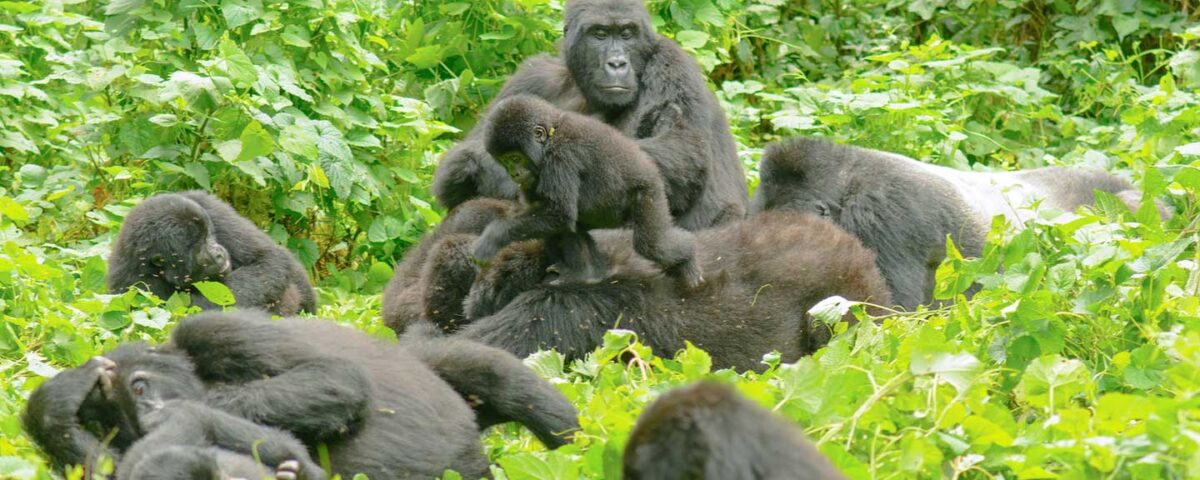
How Difficult Is Gorilla Trekking in Bwindi?
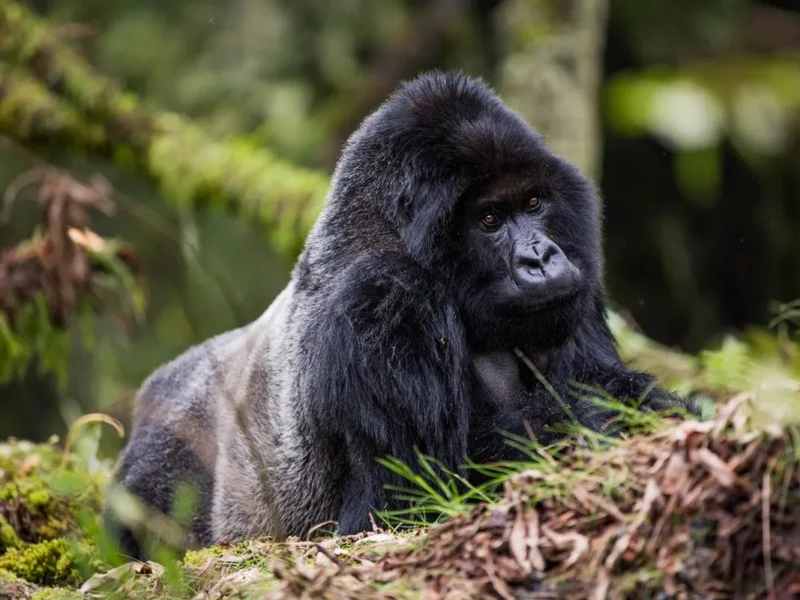
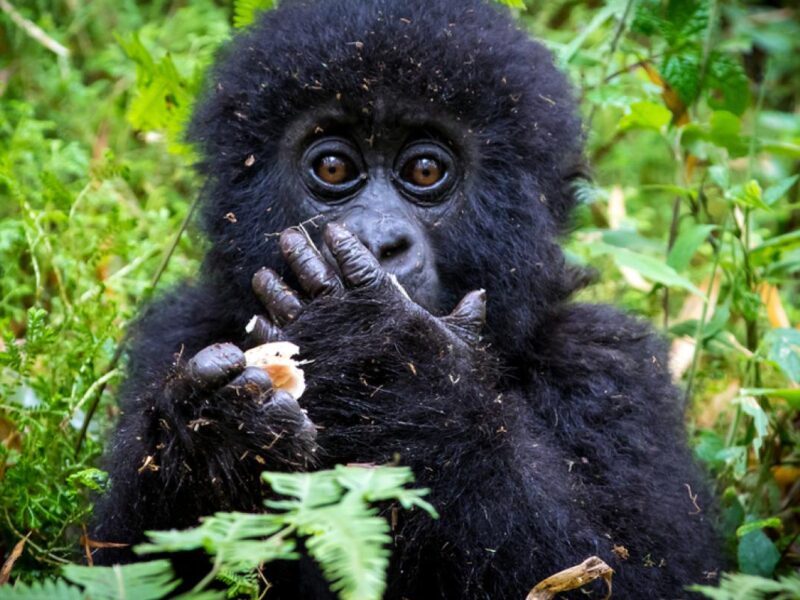
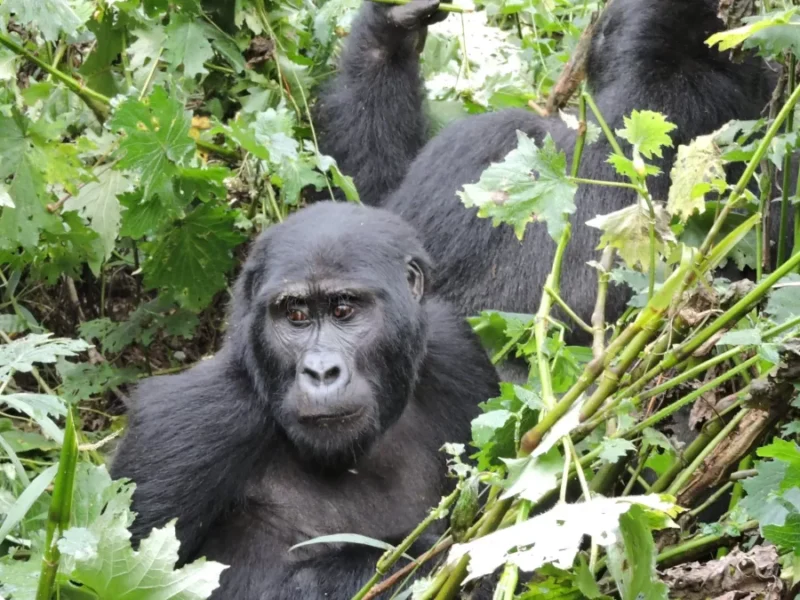
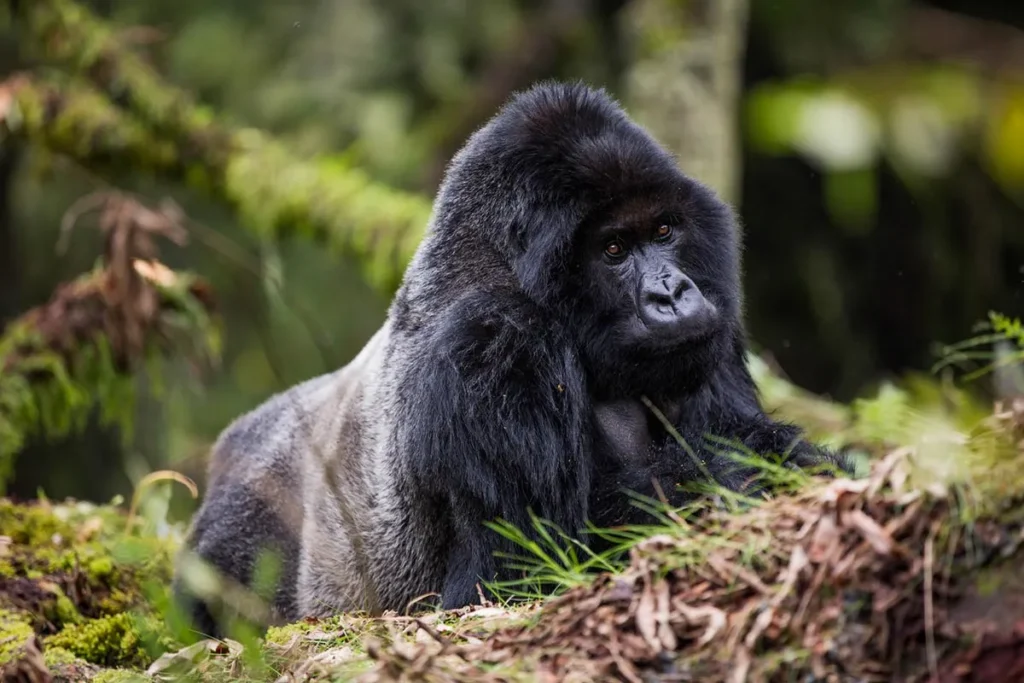
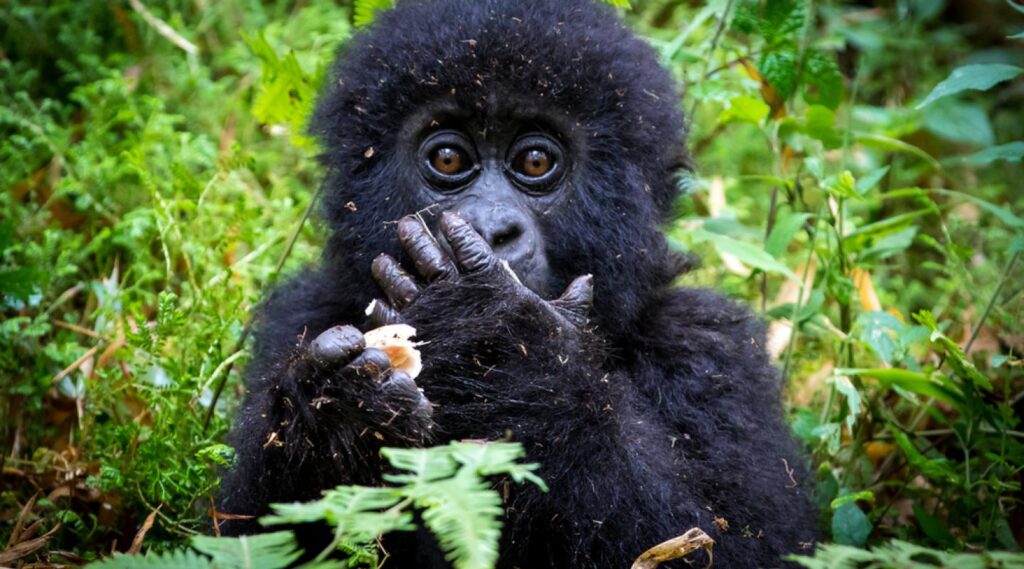
Understanding How difficult is gorilla trekking in Bwindi is essential for travelers preparing for one of the most extraordinary Uganda Safaris experiences. Bwindi Impenetrable National Park, located in southwestern Uganda, offers a unique opportunity to encounter endangered mountain gorillas in their natural habitat, making it a centerpiece of the Uganda Best Safari. Every visitor planning this adventure naturally wonders about the level of physical effort required and how to prepare effectively.
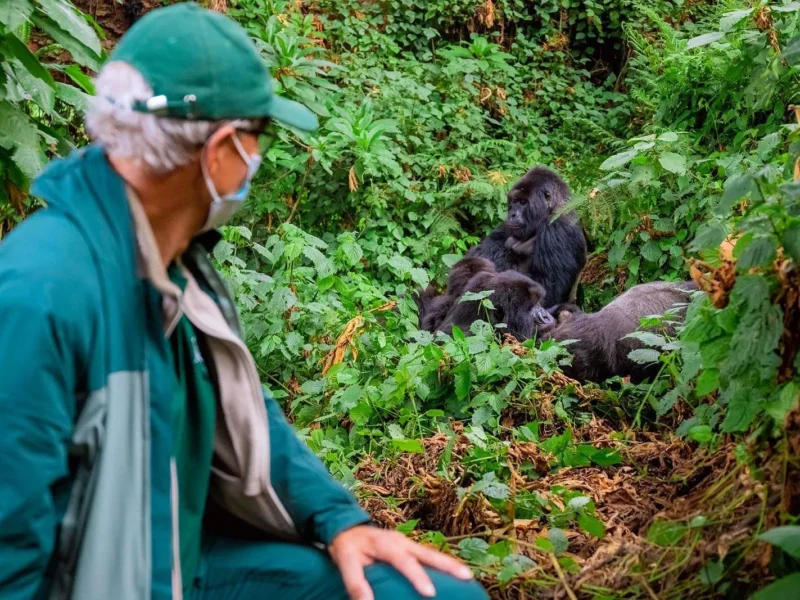
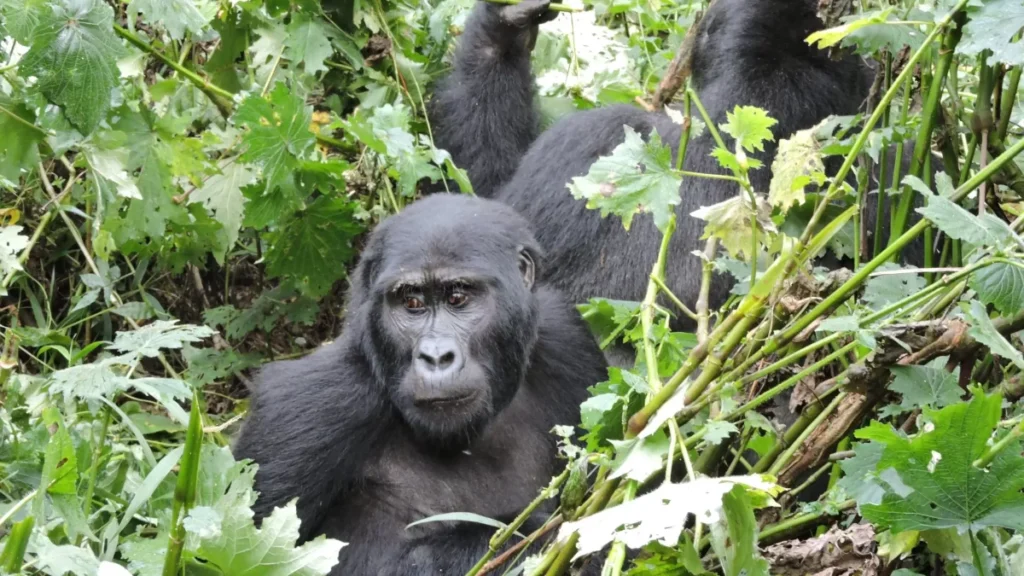
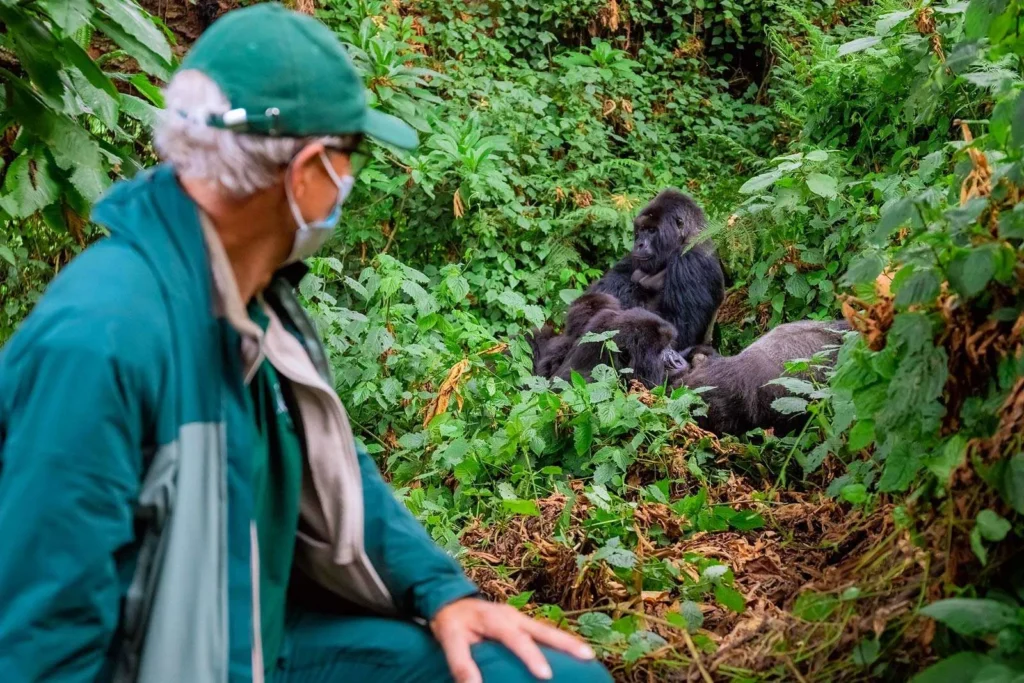
Gorilla trekking in Bwindi is considered moderately to physically demanding due to the park’s rugged terrain, dense rainforest, and varying altitudes. Steep slopes, thick vegetation, and unpredictable weather conditions create a challenging yet rewarding environment for exploration. Treks can last anywhere from one to six hours depending on the location of the gorilla families, requiring endurance, patience, and a positive mindset.
Preparation plays a crucial role in ensuring a successful trek, as travelers are advised to maintain a reasonable level of fitness before arrival. Hiring porters, who are available at the park, significantly reduces physical strain by assisting with carrying bags and providing support along the trail. Uganda Birding Safaris enthusiasts will also appreciate the biodiversity encountered during the trek, adding value beyond the primary gorilla experience.
Accessing Bwindi involves travel through Entebbe followed by domestic flights or road transfers. Gorilla trekking permits cost approximately $700 per person, reflecting conservation efforts and exclusive access. The best time to visit is during the dry seasons when trails are easier to navigate.
Choosing Ngeye Uganda Tours ensures expert guidance, proper preparation, and a well-organized safari that transforms the challenge into a fulfilling and unforgettable adventure.
How Challenging Is the Terrain in Bwindi for Gorilla Trekking?
Exploring How difficult is gorilla trekking in Bwindi requires a closer look at the terrain, which plays a significant role in shaping the overall experience of Uganda Safaris. Bwindi Impenetrable National Park is characterized by steep hills, thick undergrowth, and uneven forest trails, creating a physically engaging environment that defines the Uganda Best Safari.
Navigating the forest involves hiking through dense vegetation, crossing streams, and climbing slopes that vary in difficulty depending on the assigned gorilla group. Each trek is unique, as gorillas move freely within their habitat, requiring trackers to locate them before guiding visitors. This dynamic nature adds an element of unpredictability, making every trek an adventure.
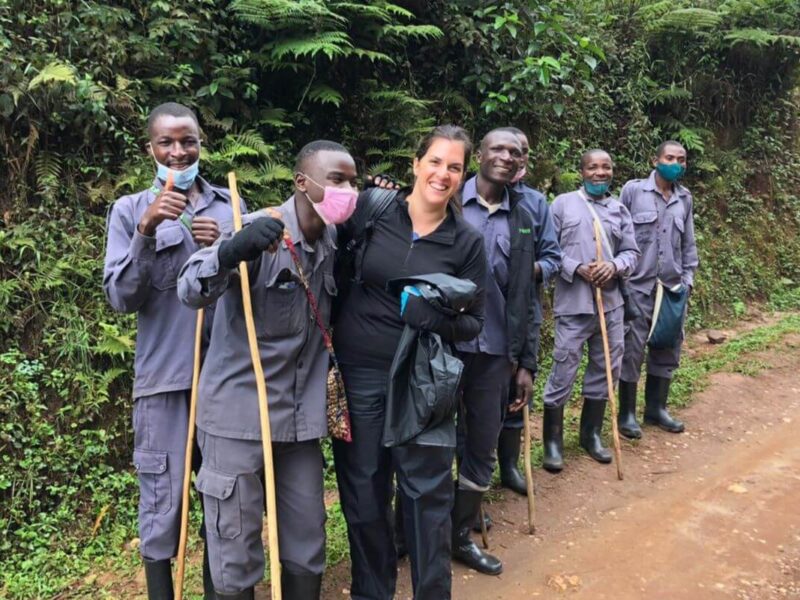
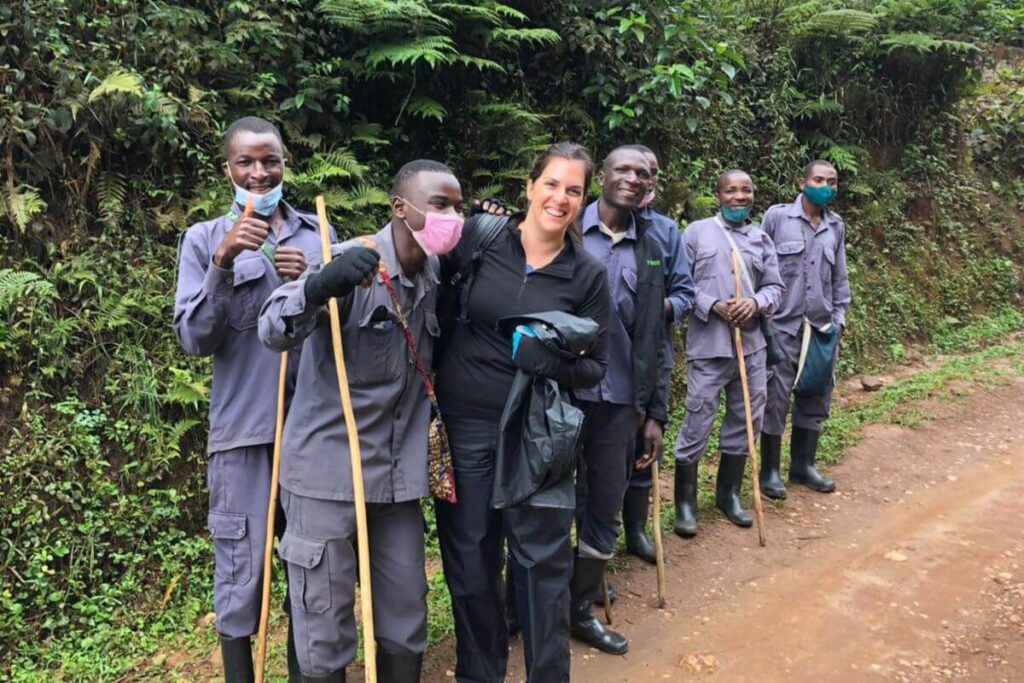
Physical fitness enhances the experience, although individuals of varying fitness levels can participate with proper preparation. Hiring a porter is highly recommended, as they assist with carrying equipment and provide support on challenging sections of the trail. Walking sticks are also provided to improve stability and balance.
Reaching Bwindi is convenient through organized transfers, while accommodation options range from mid-range lodges to luxury camps. Uganda Birding Safaris opportunities are abundant within the park, offering additional enjoyment during the trek.
The best time to tackle the terrain is during the dry seasons, when trails are less slippery and visibility is improved. Choosing Ngeye Uganda Tours ensures that travelers are well-prepared and supported, making the journey through Bwindi both manageable and rewarding.
What Factors Influence the Difficulty of Gorilla Trekking in Bwindi?
Analyzing How difficult is gorilla trekking in Bwindi involves understanding the various factors that influence the level of challenge during Uganda Safaris. Several elements contribute to the trekking experience, making it important for travelers to plan accordingly for the Uganda Best Safari.
Altitude variations within Bwindi can affect physical performance, as some trekking areas are located at higher elevations. Weather conditions also play a significant role, with rainfall making trails muddy and more difficult to navigate. Gorilla movement adds another layer of complexity, as the distance to reach them changes daily.
Fitness level and personal endurance significantly impact how challenging the trek feels. Travelers who engage in regular physical activity often find the experience more manageable. Age is not a limiting factor, as individuals of different age groups successfully complete treks with proper preparation.
Permit allocation can influence difficulty, as some gorilla families are located closer to starting points while others require longer hikes. Uganda Birding Safaris enthusiasts will appreciate the diverse wildlife encountered along the way, providing moments of rest and observation during the trek.
Access to Bwindi remains consistent year-round, with permits priced at approximately $700 per person. Cultural experiences with local communities add depth to the safari, offering opportunities to relax after the trek.
Choosing Ngeye Uganda Tours ensures that travelers receive expert advice on preparation, fitness, and permit selection, helping to manage expectations and enhance the overall experience.
When Is the Best Time for Easier Gorilla Trekking in Bwindi?
Evaluating How difficult is gorilla trekking in Bwindi naturally leads to understanding the best time to visit for more manageable conditions during Uganda Safaris. Seasonal variations significantly influence trekking difficulty, making timing an important consideration for the Uganda Best Safari.
Dry seasons, occurring from June to August and December to February, provide the most favorable conditions for trekking. Trails are less muddy, vegetation is less dense, and weather conditions are generally more predictable. These factors contribute to a smoother and more enjoyable trekking experience.
Wet seasons, from March to May and September to November, present additional challenges due to slippery trails and thicker vegetation. However, these months offer unique advantages, including fewer visitors and vibrant landscapes. Uganda Birding Safaris are particularly rewarding during this time, as bird activity increases significantly.
Travelers can reach Bwindi through domestic flights or road transfers regardless of the season. Permit costs remain consistent throughout the year, allowing flexibility in planning. Expectations vary depending on the season, with dry months offering easier trekking and wet months requiring greater effort.
Choosing Ngeye Uganda Tours ensures that travelers receive personalized recommendations on the best travel period, helping to balance comfort, adventure, and overall experience.
Why Choose Ngeye Uganda Tours for Your Gorilla Trekking Safari?
Selecting the right safari operator is essential when considering How difficult is gorilla trekking in Bwindi, and Ngeye Uganda Tours stands out as a trusted provider of exceptional Uganda Safaris. With extensive experience in organizing the Uganda Best Safari, the company ensures that every aspect of your journey is carefully planned and professionally executed.
Expert guides provide valuable insights into trekking techniques, wildlife behavior, and conservation efforts, enhancing the overall experience. Personalized itineraries allow travelers to tailor their safari according to fitness level, interests, and preferences. Transparent pricing ensures clarity, with all costs clearly outlined, including permits, accommodation, and transportation.
Strong partnerships with eco-friendly lodges support sustainable tourism and community development, reinforcing a commitment to responsible travel. Seamless logistics ensure a stress-free journey, from arrival in Uganda to departure after the safari.
Choosing Ngeye Uganda Tours guarantees a well-organized and enriching experience, transforming the challenge of gorilla trekking into a rewarding adventure. Ultimately, understanding How difficult is gorilla trekking in Bwindi becomes the first step toward embracing one of the most remarkable wildlife experiences in Africa.