Are Photography Safaris in Amboseli Worth It?
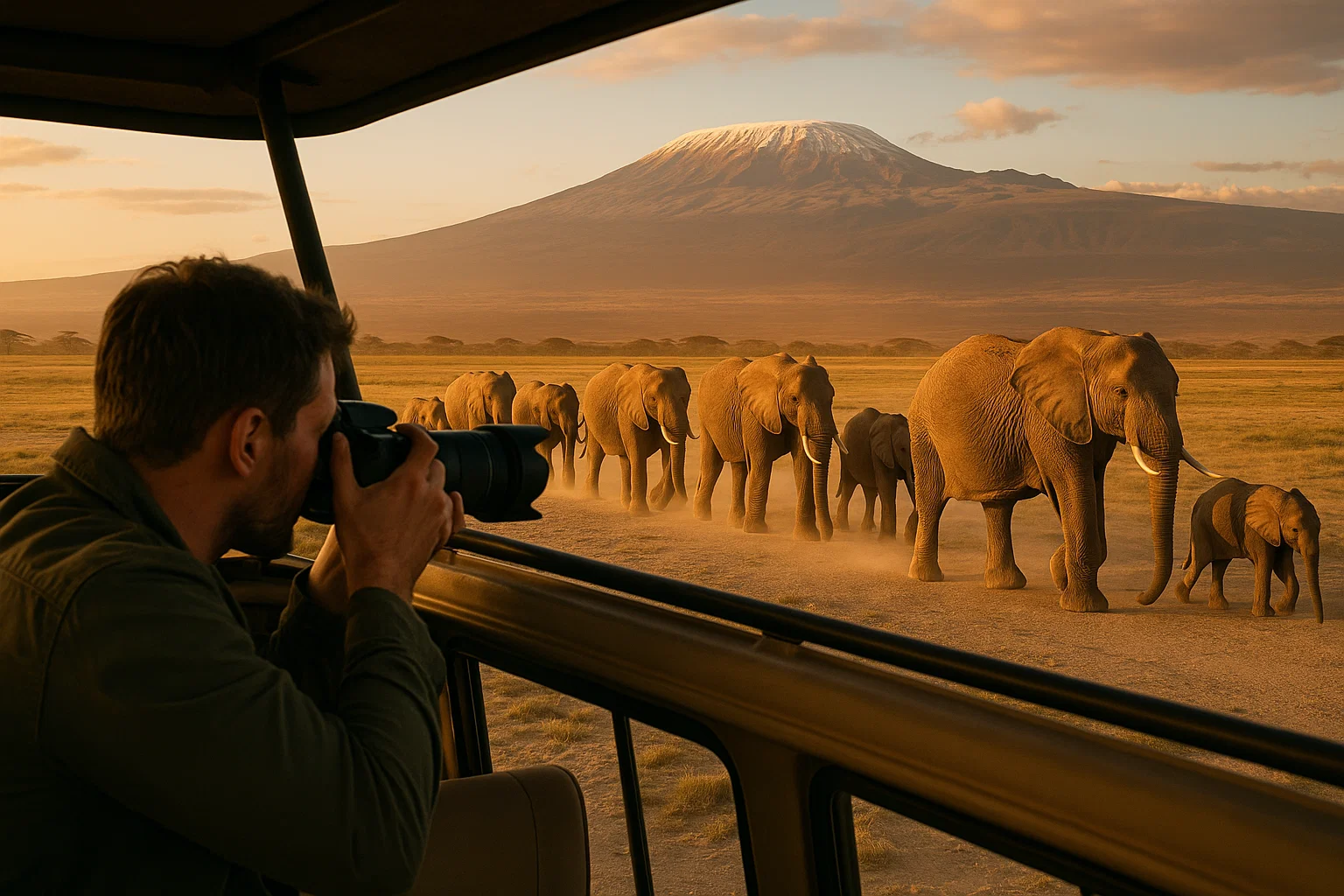
In Amboseli, a wide-angle lens can be just as valuable as a telephoto. One moment you may be photographing the textured skin and curved tusks of an elephant; the next, you may be framing that same animal as a small figure beneath the enormous slopes of Mount Kilimanjaro.
Photography safaris in Amboseli are absolutely worth considering. The park offers open landscapes, approachable photographic distances, productive wetlands, diverse birdlife and one of Africa’s most recognizable mountain backdrops.
Located in southern Kenya near the Tanzanian border, Amboseli National Park is especially rewarding for photographers interested in elephants, wildlife behavior, birds, environmental portraits and expansive landscapes. Its scenery changes dramatically between the golden dry season and the greener months, making it possible to create very different images on separate visits.
However, successful photography requires more than pointing a camera toward Kilimanjaro. The right season, sufficient time, a suitable vehicle, patient guiding and realistic expectations can make the difference between a rushed collection of snapshots and a meaningful visual story.
What Makes Amboseli So Photogenic?
Amboseli’s photographic appeal comes from contrast. Dry, dusty plains meet intensely green swamps. Large elephant herds appear against an immense mountain. Dark storm clouds can gather over brightly lit grasslands, while reflections transform shallow wetlands after rain.
This visual variety makes Amboseli an important destination within professionally planned Kenya safaris.
Open Landscapes and Unobstructed Views
Amboseli contains extensive open terrain, allowing photographers to see animals from a distance and anticipate their movement. This makes it easier to compose environmental images showing wildlife within its habitat.
Open landscapes are particularly helpful when photographing elephants, giraffes, zebras and wildebeests. The photographer can include foreground, sky and distant scenery rather than filling every frame with the animal.
Elephants Beneath Mount Kilimanjaro
The celebrated image of elephants beneath Mount Kilimanjaro is possible in Amboseli, but it cannot be scheduled or guaranteed. The mountain must be clear, animals must move naturally through a suitable area and the vehicle must be positioned legally without obstructing wildlife.
Kilimanjaro is located in Tanzania, while the photograph is usually made from the Kenyan side of the ecosystem. Early morning commonly offers the best opportunity because clouds often gather around the summit as temperatures rise.
Golden Dust and Dramatic Weather
Dry conditions can create atmospheric dust as elephants or buffaloes cross the plains. When illuminated from behind, this dust produces warm, glowing images with a strong sense of movement.
The green season offers a different visual language: saturated grass, reflective water, dark skies and sudden shafts of sunlight. Neither season is automatically superior; each creates a distinct photographic mood.
What Can You Photograph in Amboseli?
Elephants are the park’s signature subject, but a successful Amboseli portfolio can include far more than large mammals.
| Photography interest | Possible subjects | Useful approach |
|---|---|---|
| Elephant photography | Family groups, calves, mature bulls and wetland activity | Combine close portraits with wider environmental compositions |
| Landscape photography | Kilimanjaro, plains, wetlands, clouds and seasonal lakebeds | Use wider focal lengths and include scale, light and atmosphere |
| Predator photography | Lions, spotted hyenas, jackals and occasionally cheetahs | Start early, remain patient and follow behavioral clues |
| Plains wildlife | Giraffes, zebras, wildebeests, gazelles, buffaloes and warthogs | Look for interaction, repetition, symmetry and movement |
| Bird photography | Waterbirds, cranes, raptors, ostriches and savannah species | Use a longer lens and request slower driving near productive habitats |
Why Are Amboseli’s Elephants Exceptional Photography Subjects?
Amboseli offers opportunities to photograph free-ranging elephants across open terrain. Family groups may be seen leaving wetlands, crossing dry plains, bathing in mud or protecting young calves.
The park is also associated with long-term elephant research. Individual animals and family histories have been monitored for decades, helping guides interpret relationships and behavior.
This knowledge allows photographers to move beyond simple portraits. A raised trunk, a calf sheltered between adults or a matriarch changing direction can become part of a larger behavioral story.
Although some elephants are accustomed to seeing safari vehicles, they remain wild animals. Photographers should never assume that familiarity means predictability or permission to move closer.
Which Season Is Best for Photography in Amboseli?
The best season depends on the images you want to create. Dry and green seasons offer different advantages and challenges.
Dry-Season Photography: June to October
During the generally drier months, vegetation becomes shorter and wildlife may concentrate around dependable wetlands. This can make elephants, buffaloes and plains game easier to locate.
Golden grass, dusty roads and warm backlighting create the classic visual character associated with an African safari. Roads are usually easier to navigate, although popular sightings may attract several vehicles.
Dust can add atmosphere but may also affect equipment and distant image clarity. Cameras and lenses should be protected when the vehicle is moving.
January and February Photography
January and February form another generally drier period. The landscape may retain areas of green vegetation while providing relatively accessible roads and productive game viewing.
This period can be attractive for travelers planning a shorter Kenya wildlife safari, although heat haze may affect long-distance photographs later in the day.
Green-Season Photography: November to May
Rain refreshes Amboseli’s landscapes and creates completely different photographic conditions. Bright grass, reflective wetlands, textured clouds and clearer air after rainfall can produce dramatic scenes.
The greener months are also rewarding for bird photography. Resident birds may be joined by seasonal migrants, while breeding activity can create colorful plumage and interesting behavior.
Some tracks can become muddy after heavy rain, and cloud may hide Mount Kilimanjaro. Photographers choosing this period should value atmosphere and color rather than expecting permanently clear mountain views.
What Is the Best Time of Day for Photography?
Early Morning
Early morning generally offers soft light, cooler temperatures and active wildlife. It is also the most promising time for seeing Mount Kilimanjaro before clouds gather around the summit.
Side lighting can reveal the texture of an elephant’s skin, while low-angle backlighting can illuminate dust, grass and breath in cool air.
Midday
Midday light can be harsh, but it should not be dismissed. Strong contrast works for black-and-white photography, graphic compositions and scenes around wetlands.
Animals may rest during the hottest hours, creating opportunities for quiet portraits. Elephants, buffaloes, hippos and birds may remain active around water.
Late Afternoon
As the sun lowers, colors become warmer and animals may begin moving again. This period is excellent for silhouettes, rim lighting and environmental portraits.
Guides must still respect park operating times, so photographers should discuss priorities before the drive rather than requesting an impossible schedule at sunset.
Which Camera Equipment Should You Bring?
A successful kit should cover both close wildlife and expansive landscapes without becoming too heavy to manage inside a vehicle.
Camera body: A DSLR or mirrorless camera with reliable autofocus is useful, although modern bridge cameras and smartphones can also produce memorable travel images.
Wildlife lens: A zoom such as 100–400mm or 200–500mm provides flexibility for animals and birds at varying distances.
Landscape lens: A 24–70mm or similar standard zoom is useful for Kilimanjaro, elephants within their habitat and lodge photography.
Second camera body: Carrying two bodies reduces lens changes in dusty conditions and allows quick movement between wide and telephoto compositions.
Beanbag: A beanbag can stabilize a camera on the vehicle frame without occupying the space required by a full tripod.
Storage and power: Bring spare batteries, several memory cards and a dependable backup method.
Protection: A dust cover, rain cover, lens cloth and blower help protect equipment in changing weather.
Travelers using internal flights should confirm baggage limits before packing heavy camera equipment. Some small aircraft apply strict weight restrictions and may require soft-sided luggage.
What Type of Safari Vehicle Is Best for Photography?
The vehicle affects angles, stability and how quickly a photographer can respond. A suitable photography vehicle should provide an unobstructed view, enough room to turn safely and a stable place to support the camera.
Private vehicles are especially valuable because photographers can remain at a sighting, choose when to move and avoid competing interests within a larger group.
Shared vehicles can still work well for beginners and travelers with limited budgets. However, photographers should confirm the number of passengers, seating arrangement and window access before booking.
Why Window Access Matters
Every photographer should ideally have direct access to a window or open side. Repeatedly leaning across another guest is uncomfortable and may cause missed photographs.
A lower camera position can create more intimate images, but passengers must remain safely inside the vehicle and follow the guide’s instructions.
How Long Should an Amboseli Photography Safari Last?
Three or four nights are recommended for a dedicated photography safari. This provides several sunrises and sunsets, improving the chances of favorable light and a clear view of Kilimanjaro.
| Length of stay | Photography potential |
|---|---|
| 1 night | A brief introduction with limited flexibility for weather and light |
| 2 nights | Suitable for general travel photography and several game drives |
| 3–4 nights | Recommended for wildlife behavior, birds, landscapes and multiple sunrise opportunities |
| 5 nights or longer | Appropriate for specialist photographers and long-term visual projects |
Readers planning their schedule can consult the complete guide to visiting Amboseli National Park or request a customized itinerary.
How Can You Photograph Wildlife Responsibly?
The welfare of the animal must take priority over every photograph. A responsible safari allows wildlife to behave naturally without being blocked, pursued or surrounded.
Keep an appropriate distance: A longer lens is safer than moving unnecessarily close.
Do not block movement: Elephants and other animals must have a clear route through the landscape.
Limit noise: Loud conversation and sudden movement can disturb wildlife and other photographers.
Never request baiting or harassment: Ethical photography records natural behavior rather than manufacturing a scene.
Respect roads and regulations: A photograph is never worth asking a guide to drive illegally or damage habitat.
Avoid crowding: If several vehicles are already surrounding an animal, consider waiting or finding another subject.
Drones should not be assumed to be permitted. Travelers must obtain all required authorization from the relevant Kenyan authorities before bringing or operating aerial equipment in or around protected areas.
Is Amboseli Suitable for Beginner Photographers?
Yes. Amboseli is suitable for beginners because wildlife is often visible across open landscapes, providing time to practice focus, exposure and composition.
Beginners should avoid spending the entire safari adjusting complicated settings. A dependable autofocus mode, appropriate shutter speed and flexible zoom lens can produce better results than carrying excessive equipment without knowing how to use it.
An experienced guide can help interpret animal behavior, but travelers should understand the basic operation of their camera before arriving. Practicing with moving pets, birds or vehicles at home can build confidence.
Can Amboseli Be Combined with Other Photography Destinations?
Amboseli combines naturally with the Masai Mara National Reserve. Amboseli offers elephants, wetlands and Kilimanjaro landscapes, while the Mara provides different grassland scenery and strong predator-viewing opportunities.
Travelers visiting during the appropriate season may also explore the Great Wildlife Migration, although herd movements and river crossings can never be guaranteed.
Photographers seeking a wider East African portfolio can continue with Uganda safaris or Rwanda safaris. These journeys can include gorilla trekking, chimpanzee tracking and specialized birding experiences.
This creates a visually diverse collection of savannah mammals, mountain landscapes, rainforest primates and regional cultures.
Why Book an Amboseli Photography Safari with Ngeye Uganda Tours?
A photography safari needs a different pace from a standard sightseeing itinerary. Photographers may want to remain with one subject, return to a promising location or wait for light to change.
Ngeye Uganda Tours creates customized Kenya wildlife safaris for beginners, enthusiasts and experienced photographers. Our planning considers vehicle occupancy, guiding, travel season, accommodation location and the number of game drives required.
We can also build multi-country itineraries connecting Kenya with Uganda, Rwanda or Tanzania. Every journey is planned around realistic wildlife expectations and responsible photography practices.
Although no operator can guarantee a particular animal, clear view of Kilimanjaro or exact composition, careful timing and patient guiding can significantly improve the quality of the experience.
Turn Your Safari into a Visual Story
Tell us what you enjoy photographing—elephants, birds, landscapes, predators or primates—and we will design an East African journey around your creative goals.
Frequently Asked Questions About Amboseli Photography Safaris
Is Amboseli good for wildlife photography?
Yes. Amboseli offers open landscapes, elephant encounters, productive wetlands, diverse birdlife and opportunities to photograph wildlife with Mount Kilimanjaro in the background.
What lens is best for Amboseli?
A telephoto zoom such as 100–400mm is versatile for mammals, while a wider or standard zoom is useful for landscapes and animals beneath Kilimanjaro. Bird photographers may prefer additional reach.
When is the best time for Amboseli photography?
June to October and January to February generally offer dry-season visibility and accessible roads. The green season provides rich colors, reflective wetlands and dramatic skies.
Can I photograph elephants with Mount Kilimanjaro?
Yes, but the scene cannot be guaranteed. The mountain must be clear, wildlife must move naturally through a suitable area and the vehicle must be responsibly positioned.
How many nights are recommended for photographers?
Three or four nights are recommended for a dedicated photography safari because they provide several sunrise and sunset opportunities.
Is Amboseli suitable for beginner photographers?
Yes. Its open landscapes and visible wildlife make Amboseli a rewarding place to practise wildlife and landscape photography.
Can I use a drone in Amboseli?
Do not assume drone use is permitted. Operating aerial equipment in or around protected areas requires prior authorization from the relevant Kenyan authorities.