When Is the Best Time to Visit Samburu National Reserve?
When is the best time to visit Samburu National Reserve? The generally drier periods from June to October and January to February are often preferred for wildlife viewing and game drives. During these months, vegetation may be less dense, and animals frequently visit dependable water sources, including areas around the Ewaso Ng’iro River.
Travelers interested in green scenery, birdwatching, newborn animals, dramatic photography and fewer visitors may prefer the wetter periods. Rainfall in northern Kenya can be irregular, however, and seasonal patterns should be treated as general guidance rather than a guarantee.
Situated in the semi-arid landscapes of northern Kenya, Samburu National Reserve offers a safari experience that differs significantly from the open grasslands of the Maasai Mara. Its rugged hills, doum palms, riverine woodland and dry-country wildlife create a distinctive environment within Kenya’s safari circuit.
The reserve can be visited independently or incorporated into a longer journey through several Kenya national parks and reserves. Choosing the right travel period depends on whether your priority is general wildlife viewing, photography, birding, cultural engagement, value or quieter travel.
Quick answer: June to October and January to February generally offer convenient wildlife-viewing conditions. March to May and approximately November to December may bring rain, greener scenery, birding opportunities and fewer travelers. Actual rainfall and wildlife movements vary from year to year.
What Is the Best Overall Season for Samburu?
For first-time safari visitors, the drier months are often the easiest choice. Lower rainfall can improve road conditions, reduce vegetation density and make longer game drives more comfortable. Animals may also use the river and other available water sources more frequently.
This does not mean wildlife sightings are guaranteed. The reserve is a natural ecosystem, and animals move according to water, food, temperature, breeding behavior and disturbance. A dry-season visit may improve certain viewing conditions without ensuring that every desired species will be found.
The wetter months create a different kind of safari. Fresh vegetation changes the color of the landscape, birds may become more active and clouds can add depth to photographs. Visitors willing to accept occasional rain and variable road conditions can enjoy a quieter and visually striking experience.
| Travel Period | Potential Advantages | Points to Consider |
|---|---|---|
| January to February | Generally dry conditions and good wildlife visibility | Days can become hot, dry and dusty |
| March to May | Green scenery, bird activity and fewer visitors | Rain may affect roads, transfers and game-drive routes |
| June to October | Popular period for wildlife viewing and photography | Demand and accommodation prices may be higher |
| November to December | Fresh vegetation, birdwatching and atmospheric landscapes | Rain timing is variable and some roads may become difficult |
The seasonal divisions above are approximate. Climate variability can alter the beginning, length and intensity of rainfall, particularly in a semi-arid environment such as Samburu.
Why Is the Dry Season Popular for Samburu Safaris?
Generally dry conditions can make wildlife easier to observe because vegetation may become thinner and animals may spend more time near reliable water. The Ewaso Ng’iro River plays an important ecological role by supporting riverine woodland and providing water for wildlife within the dry landscape.
Wildlife Viewing Around Water Sources
Elephants, antelopes, giraffes, zebras and other animals may visit riverine areas during dry periods. Predators can also use the same ecosystem, although their movements remain unpredictable.
Guides rely on tracks, calls, recent reports and knowledge of animal behavior when selecting game-drive routes. No responsible safari operator should promise a particular species, predator or hunting scene.
Clear Views Across the Landscape
Drier vegetation can create more open views across the reserve. This may help travelers observe wildlife at a distance and photograph animals against Samburu’s rugged background.
Dust and heat haze can affect photography, particularly during the middle of the day. Early-morning and late-afternoon game drives often provide softer light and more comfortable temperatures.
More Predictable Road Conditions
Lower rainfall may make reserve roads easier to navigate. However, dry roads can still be dusty or uneven, and unexpected rain can occur during any month.
Travel times should remain flexible, particularly when Samburu is combined with destinations farther south. A professionally planned itinerary includes sufficient time for changing road and wildlife conditions.
What Makes June to October a Good Time to Visit?
June to October is widely selected for Kenyan safaris because it generally coincides with drier weather in many destinations. Samburu’s vegetation may be less dense, and wildlife may use the riverine ecosystem more frequently.
Temperatures during early mornings can feel cool, so travelers should carry a light warm layer for open-vehicle game drives. Conditions become warmer as the day progresses, making a hat, sunscreen and drinking water essential.
This period can coincide with strong international travel demand. Lodges, camps and preferred guides may fill early, especially during major holiday periods. Booking in advance provides a better selection of accommodation but does not change the natural unpredictability of wildlife.
Travelers planning a longer Kenyan journey can explore the 14-Day Kenya National Parks Safari for inspiration.
Is January to February a Good Time for Samburu?
January and February are often relatively dry and can provide rewarding game-drive conditions. Clearer skies and open terrain may appeal to photographers, while wildlife may remain associated with available water and riverine vegetation.
These months can become hot, particularly during midday. Safari itineraries commonly focus on morning and afternoon drives, allowing travelers to rest at the lodge during the hottest part of the day.
Dry conditions may also create dust, so cameras, binoculars and electronics should be protected when not in use. Travelers with respiratory sensitivity may wish to carry appropriate personal supplies.
Should I Visit Samburu During the Green Season?
The green season can offer a beautiful and less conventional Samburu experience. Rain encourages fresh vegetation, changes the light and creates dramatic skies over the semi-arid landscape.
Because water may become more widely available, wildlife can disperse across a larger area. This may make some animals harder to locate, but it also encourages guides to explore different habitats.
Roads may become muddy, and heavy rain can affect transfer times or prevent access to particular routes. A four-wheel-drive safari vehicle and a flexible itinerary are especially valuable during this period.
Fewer Visitors and a Quieter Atmosphere
Periods associated with increased rainfall may attract fewer international travelers. This can produce quieter game drives and a more relaxed atmosphere at some lodges and camps.
Visitor numbers and accommodation prices vary between properties, so travelers should request current availability and written quotations rather than assuming every lodge offers a low-season discount.
Green Landscapes for Photography
Fresh vegetation, clouds and changing light can create striking images. The contrast between green grass, red-brown earth, doum palms and wildlife gives the landscape a different character from the dry season.
Photographers should carry a rain cover or water-resistant bag and allow equipment to adjust gradually when moving between air-conditioned rooms and humid outdoor conditions.
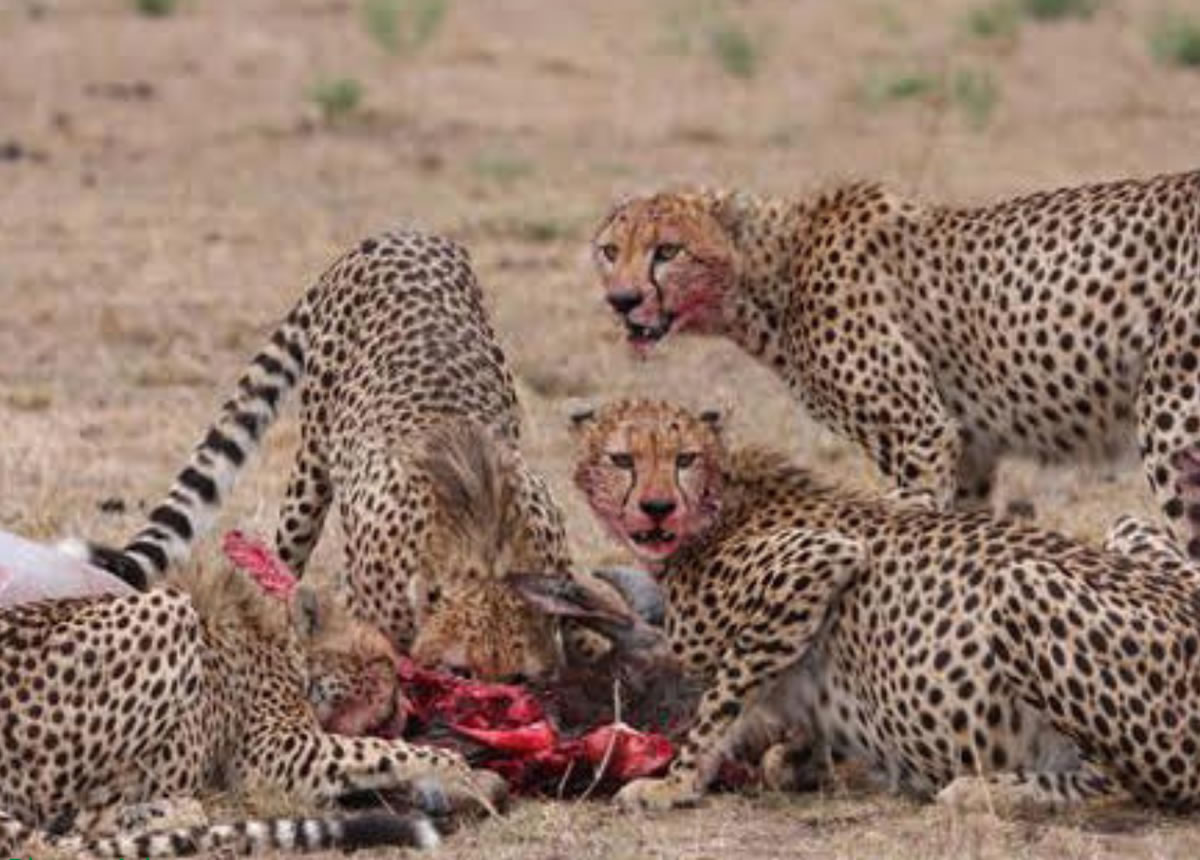
When Is the Best Time to See the Samburu Special Five?
The Samburu Special Five can be present throughout the year. They are Grevy’s zebra, reticulated giraffe, gerenuk, Beisa oryx and Somali ostrich.
Drier periods may offer improved visibility when vegetation is less dense, but no month guarantees sightings of all five species. Their locations depend on water, vegetation and natural movement across the wider ecosystem.
| Special Five Species | What Makes It Distinctive |
|---|---|
| Grevy’s zebra | Narrow stripes, large ears and a white belly |
| Reticulated giraffe | Geometric chestnut markings separated by white lines |
| Gerenuk | Long neck and ability to browse while standing upright |
| Beisa oryx | Straight horns and bold facial markings |
| Somali ostrich | Distinctive blue-grey neck and northern East African range |
Spending at least two nights provides several opportunities to search for these species under changing conditions. Travelers can read our guide explaining how many days are ideal for Samburu after that article has been published and its final URL has been confirmed.
When Is the Best Time for Birdwatching in Samburu?
Birdwatching is rewarding throughout the year because Samburu supports resident species associated with riverine woodland, dry scrub, rocky terrain and open country. Wetter periods may increase activity and add seasonal migrants.
Species that may interest birdwatchers include vulturine guineafowl, Somali ostrich, martial eagle, secretarybird, hornbills, bee-eaters and numerous smaller dry-country birds.
Early morning is often productive because birds may be more vocal and active before temperatures rise. A specialized guide can identify calls and distinguish species that appear similar at a distance.
Travelers planning a bird-focused journey can review our guide to Kenya Birding Safaris.
What Is the Best Time for Wildlife Photography?
Both dry and green seasons offer photographic advantages. Drier conditions can produce open views, warm earth tones and wildlife activity around available water. Greener periods can provide dramatic clouds, richer colors and atmospheric landscapes.
Early morning and late afternoon generally offer the most flattering light. Midday conditions may produce harsh shadows and heat haze, although they can still be useful for documenting behavior or environmental context.
Photographers should consider spending three nights to allow several morning and evening drives. The additional time improves flexibility but does not guarantee a desired subject or behavior.
The 12-Day Kenya Photography Expedition provides inspiration for travelers interested in a broader photographic journey.
Can I Enjoy Cultural Experiences Throughout the Year?
Respectfully arranged community experiences may be available throughout the year. A community-led visit can introduce travelers to aspects of Samburu heritage, pastoral traditions, beadwork, music and contemporary life.
Seasonal conditions can influence daily routines, livestock movement and access, so cultural activities should be coordinated in consultation with participating communities.
Visitors should request permission before taking photographs and should never treat homes, ceremonies or individuals as staged attractions. Transparent community benefit and voluntary participation are essential parts of responsible cultural tourism.
How Does Weather Affect the Ewaso Ng’iro River?
The Ewaso Ng’iro River is central to the Samburu ecosystem, supporting riverine vegetation and providing water for wildlife. Its water level can vary with rainfall, upstream use and wider environmental conditions.
Periods of low flow can concentrate wildlife near remaining water, while heavy rainfall may increase the river’s volume and affect crossings or nearby routes. Guides and reserve authorities monitor local conditions and adjust activities when necessary.
Travelers should avoid rigid expectations about river level or animal concentration. These conditions change naturally and may differ from photographs taken during previous seasons.
What Is the Best Time for a Family Safari?
Families often prefer generally dry periods because road conditions may be more predictable and outdoor activities easier to organize. School-holiday demand can increase prices and reduce accommodation availability, so early booking is advisable.
Families with young children should select a lodge with flexible meal times, family accommodation and game-drive arrangements. Long drives during the hottest hours may be tiring, making private vehicles and shorter activities valuable.
The best season depends on the children’s ages, school schedule, heat tolerance and the family’s budget rather than weather alone.
How Many Days Should I Spend in Samburu?
Three days and two nights are appropriate for most first-time visitors. This structure commonly includes an arrival game drive, a complete day with morning and afternoon activities and a final morning experience before departure.
Four days and three nights are better for birdwatchers, photographers, families wanting a slower pace and travelers including a community experience. A one-night visit is possible but may feel rushed, particularly when arriving by road.
The ideal duration also depends on whether visitors drive or fly. Road travel from Nairobi can consume much of the arrival and departure days, while a scheduled flight may preserve more time for safari activities.
What Should I Pack for Different Seasons?
Lightweight, breathable clothing in neutral colors is suitable throughout the year. A warm layer is useful during early-morning drives, while a hat, sunglasses, sunscreen and a reusable water bottle provide daytime protection.
During wetter periods, travelers should add a waterproof jacket, suitable closed footwear and protection for cameras and electronics. During dry conditions, dust protection becomes particularly important.
Binoculars, personal medication and insect repellent are useful throughout the year. Luggage restrictions should be checked carefully when flying by light aircraft.
Why Plan Your Samburu Safari with Ngeye Uganda Tours?
Ngeye Uganda Tours creates personalized safari itineraries based on travel dates, wildlife interests, photography goals, preferred accommodation and budget.
Our planning considers Samburu’s seasonal conditions, transport time, lodge location and suitable length of stay. We can also combine the reserve with Laikipia, Lake Nakuru, the Maasai Mara and other East African destinations.
Travelers can explore our collection of East African safari packages or learn more about Ngeye Uganda Tours before requesting a customized proposal.
Plan Your Samburu National Reserve Safari
Let our safari specialists recommend a suitable travel period and create a personalized itinerary around your wildlife, birding, photography and cultural interests.
Frequently Asked Questions About the Best Time to Visit Samburu
What is the best month to visit Samburu?
June to October and January to February are generally popular for wildlife viewing. The best individual month depends on rainfall, availability, budget and personal interests.
Can I visit Samburu during the rainy season?
Yes. Wetter periods can offer green scenery, bird activity and fewer visitors. Rain may affect roads and transfer times, so a flexible itinerary is important.
When is the best time to see the Samburu Special Five?
The Special Five can be present throughout the year. Drier periods may offer more open visibility, but sightings are never guaranteed.
What is the best time for birdwatching?
Birdwatching is possible year-round. Wetter periods may bring increased activity and migratory species, while resident birds provide interest in every season.
Is Samburu very hot?
Samburu has a warm, semi-arid climate, and midday conditions can become hot. Early-morning and late-afternoon activities are generally more comfortable.
How many nights should I spend in Samburu?
Two nights are suitable for most first-time visitors, while three nights are recommended for photography, birdwatching and a more relaxed pace.
Can I combine Samburu with the Maasai Mara?
Yes. Combining Samburu with the Maasai Mara creates a varied safari featuring northern Kenya’s specialized wildlife and the Mara’s open grassland ecosystem.