Can I Combine Samburu with Other Parks?
Yes, you can combine Samburu with other parks—and doing so creates one of the most varied and rewarding safari experiences in Kenya. Located in the country’s rugged north, Samburu National Reserve introduces travelers to rare dry-country wildlife, dramatic scenery, and the life-giving Ewaso Nyiro River. Pairing it with another destination allows you to experience completely different landscapes and wildlife within one carefully planned journey.
A multi-park itinerary might combine Samburu’s reticulated giraffes, Grevy’s zebras, gerenuks, and Somali ostriches with the rhino-conservation experiences of Ol Pejeta, the Rift Valley lakes, the open grasslands of the Maasai Mara, or the elephant country of Amboseli. This diversity makes Samburu an excellent component of longer Kenya national park safaris.
The right combination depends on your available time, preferred travel style, budget, and wildlife interests. Road journeys offer changing scenery and opportunities to visit destinations along the way, while scheduled or charter flights reduce travel time. Flight routes and departure times can change, however, and some connections may operate through Nairobi’s Wilson Airport rather than directly between parks.
At Ngeye Uganda Tours, we design personalized safari circuits that balance wildlife viewing, comfortable travel, suitable accommodation, and enough time in each destination. Whether you want a compact Samburu and Ol Pejeta holiday or an extensive Kenya safari covering several ecosystems, the journey can be adapted to your interests.
Quick answer: Samburu combines particularly well with Ol Pejeta Conservancy, Mount Kenya, Lake Nakuru, Lake Naivasha, the Maasai Mara, Meru, and Amboseli. Allow approximately five to six days for Samburu and Ol Pejeta, seven to ten days for Samburu and the Maasai Mara, or ten to fourteen days for a broader multi-park circuit.
Best Parks to Combine with Samburu at a Glance
| Combination | Main Experience | Typical Transport | Suggested Duration |
|---|---|---|---|
| Samburu and Ol Pejeta | Northern wildlife, Big Five viewing, rhino conservation, and rescued chimpanzees | Road transfer | 5–6 days |
| Samburu and Mount Kenya | Wildlife, highland scenery, forest retreats, and outdoor activities | Road transfer | 5–7 days |
| Samburu and Lake Nakuru | Dry-country species, rhinos, Rift Valley scenery, and birdlife | Road transfer | 6–8 days |
| Samburu and Lake Naivasha | Game drives, birdwatching, boat trips, walking, and cycling | Road transfer | 7–9 days |
| Samburu and Maasai Mara | Rare northern species, big cats, open plains, and seasonal migration viewing | Road with an overnight stop or flight connection | 7–10 days |
| Samburu and Amboseli | Northern wildlife, elephant herds, wetlands, and possible Kilimanjaro views | Flight connection or road journey through Nairobi | 8–11 days |
Why Is Samburu Ideal for a Multi-Park Kenya Safari?
Samburu introduces travelers to an ecosystem that differs greatly from Kenya’s better-known southern grasslands. The reserve’s semi-arid landscape contains rocky hills, doum palms, acacia woodland, riverine vegetation, and open areas shaped by limited rainfall. The Ewaso Nyiro River provides a vital source of water and attracts animals during dry periods.
The reserve is renowned for the “Samburu Special Five”: the Grevy’s zebra, reticulated giraffe, Beisa oryx, Somali ostrich, and gerenuk. Elephants are frequently associated with the riverine environment, while lions, leopards, cheetahs, wild dogs, buffaloes, and numerous antelope species may also be encountered. As with every genuine wilderness experience, sightings depend on animal movements, habitat conditions, season, and time of day.
After experiencing this dry northern ecosystem, traveling to a greener lake, mountain forest, conservancy, or extensive grassland creates a striking contrast. This is the main advantage of combining Samburu with other parks: each destination contributes something genuinely different instead of repeating the same type of safari.
Can I Combine Samburu with Ol Pejeta Conservancy?
Samburu and Ol Pejeta form one of Kenya’s most practical and rewarding safari combinations. Ol Pejeta Conservancy lies in the Laikipia region, making it a logical stop between Nairobi and northern Kenya. Although driving times vary with road conditions, traffic, lodge location, and the gates used, the route is generally easier to manage than combinations involving parks in southern Kenya.
Ol Pejeta is known for Big Five viewing and internationally recognized rhino-conservation work. It protects important populations of black and southern white rhinos and provides care for the world’s last two known northern white rhinos. Visitors may learn about the challenges involved in protecting endangered wildlife and the work undertaken by conservation teams.
The conservancy is also home to Sweetwaters Chimpanzee Sanctuary, which cares for chimpanzees rescued from difficult circumstances. Chimpanzees are not indigenous to Kenya, so this experience should be understood as a sanctuary visit rather than observation of a native wild population.
A five- or six-day itinerary can allocate two nights to Ol Pejeta and two or three nights to Samburu, with additional time for arriving from or returning to Nairobi. This combination works well for travelers who want abundant wildlife and meaningful conservation experiences without spending too many hours moving between distant parks.
Can Samburu Be Combined with Mount Kenya and Nanyuki?
Combining Samburu with Mount Kenya or the Nanyuki area creates a journey through dramatically changing elevations. Samburu offers warm, semi-arid terrain, while the Mount Kenya region introduces cooler conditions, forested slopes, fertile farmland, and views of Africa’s second-highest mountain when weather conditions are favorable.
Travelers can use the highlands as a relaxing pause before or after game drives in Samburu. Available activities vary by property but may include guided forest walks, horseback riding, conservation visits, birdwatching, mountain excursions, and time at scenic lodges.
This pairing suits couples, families, photographers, and travelers who want a varied holiday rather than continuous game drives. It can also be incorporated into a longer Ol Pejeta and Samburu circuit because Nanyuki acts as an important gateway to the Laikipia region.
Can I Combine Samburu with Lake Nakuru National Park?
Samburu and Lake Nakuru provide two contrasting wildlife environments. Samburu is dry and rugged, while Lake Nakuru National Park protects a compact Rift Valley ecosystem containing woodland, grassland, rocky escarpments, and a changing alkaline lake.
Lake Nakuru is particularly valued for rhino conservation, birdwatching, and the possibility of seeing Rothschild’s giraffes. Flamingos and other waterbirds may occur around the lake, although their numbers and locations fluctuate with water levels, food conditions, and regional movement. Travelers should therefore avoid treating mass flamingo concentrations as a guaranteed sighting.
Because the journey between Samburu and Lake Nakuru can occupy a substantial part of the day, the itinerary should include realistic driving times and rest stops. The combination is best within a safari lasting at least six or seven days, especially when Nairobi or another Rift Valley destination is included.
Can Samburu Be Combined with Lake Naivasha and Hell’s Gate?
Lake Naivasha adds a relaxing water-based experience to a wildlife-focused Samburu safari. Boat excursions may provide sightings of hippos and numerous waterbirds, while nearby Crescent Island is known for guided walks among plains animals. Activities depend on operating conditions and should be arranged with reputable local providers.
Hell’s Gate National Park, located close to Naivasha, introduces cycling, walking, geothermal scenery, cliffs, and volcanic formations. Certain routes or gorge sections may close because of flash-flood risk, geothermal activity, maintenance, or official safety decisions. Current access conditions should therefore be checked before departure.
A Samburu, Lake Nakuru, and Lake Naivasha circuit is particularly appealing to travelers who want game drives, birdwatching, boat experiences, photography, walking, and cycling within one itinerary. Explore the possibilities included in this Lake Nakuru, Maasai Mara and Lake Naivasha safari.
Can I Combine Samburu with the Maasai Mara?
Combining Samburu with the Maasai Mara creates one of Kenya’s finest wildlife contrasts. Samburu introduces the rare northern species and dry-country scenery, while the Maasai Mara is characterized by sweeping grasslands, substantial herbivore populations, and habitats used by lions, cheetahs, leopards, hyenas, and other predators.
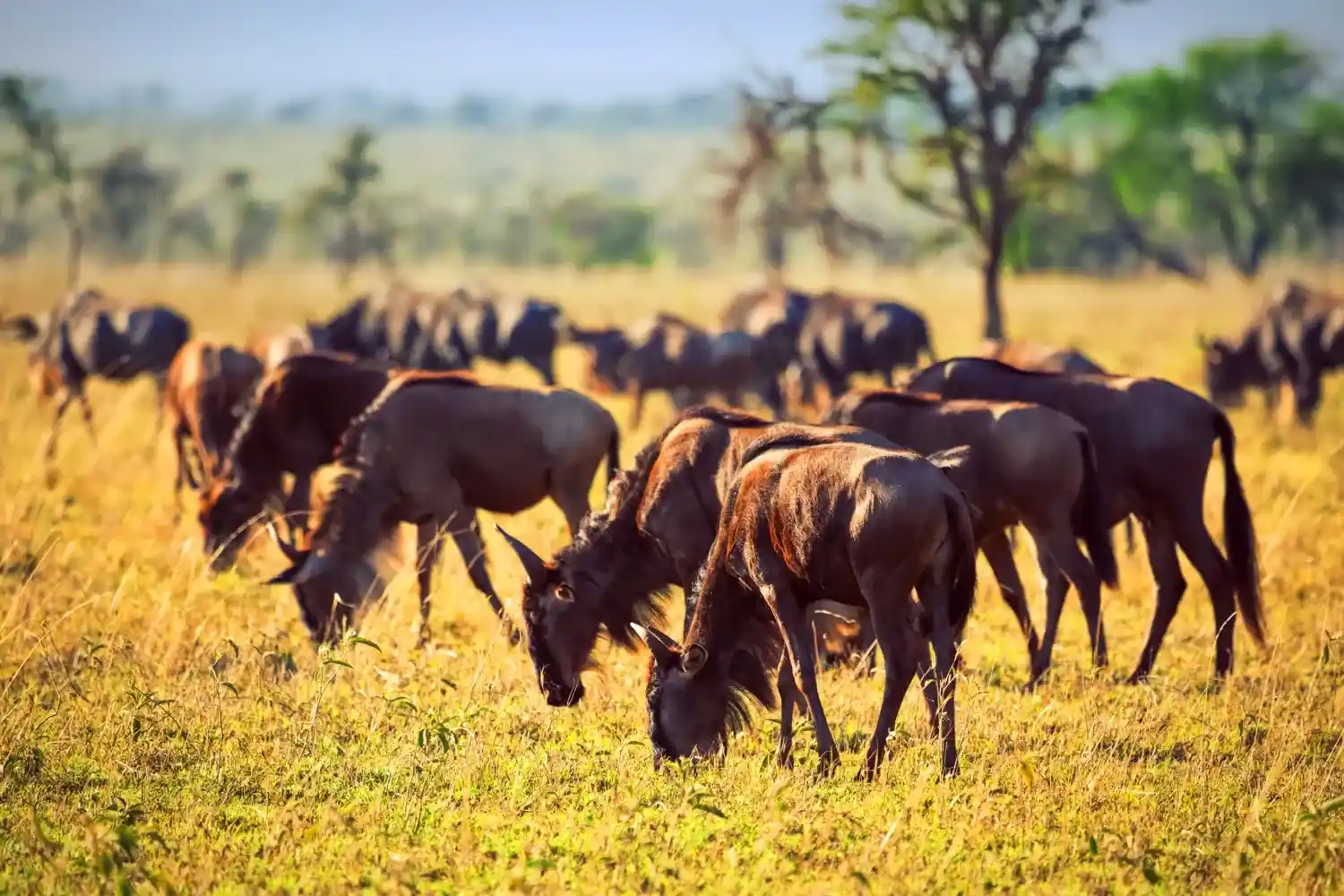
Between approximately July and October, seasonal movements of wildebeest and zebras may extend into the Mara ecosystem. However, migration timing varies according to rainfall, grazing conditions, and river levels. River crossings and large herd concentrations cannot be guaranteed for a particular date or location.
The distance between Samburu and the Maasai Mara makes thoughtful transport planning essential. A road itinerary commonly includes a strategic overnight stop around the Rift Valley, Laikipia, or Nairobi. Scheduled or charter flights can reduce time on the road, but services may connect through Wilson Airport, require aircraft changes, or operate only on particular schedules.
Travelers should allow approximately seven to ten days for the combination. Three nights in Samburu and three nights in the Maasai Mara offer a comfortable foundation, with remaining days allocated to transport and optional intermediate destinations. Shorter itineraries are possible but may feel hurried.
Can I Combine Samburu with Amboseli National Park?
Samburu and Amboseli create a visually striking itinerary. Samburu delivers rugged northern scenery and specialized wildlife, while Amboseli is famous for its elephants, seasonal wetlands, open plains, and views toward Mount Kilimanjaro.
Kilimanjaro is sometimes hidden by clouds, haze, or changing weather, so an unobstructed view should be treated as a possible highlight rather than a promise. Early mornings can offer favorable viewing conditions, but nature ultimately determines visibility.
Because the parks lie in different parts of Kenya, this combination requires more time. Road itineraries normally pass through or near Nairobi, while air arrangements may involve Wilson Airport connections. Eight to eleven days provide a more comfortable journey, especially when another destination such as Ol Pejeta, Lake Naivasha, or Nairobi is included.
Can Samburu Be Combined with Meru National Park?
Meru National Park offers an appealing alternative for travelers who prefer quieter safari routes. Its rivers, woodland, grassland, and palm-fringed landscapes contrast with Samburu’s drier terrain. The combination can provide excellent wildlife and birding opportunities while remaining away from Kenya’s most heavily traveled circuits.
The route is best suited to repeat safari visitors, photographers, birdwatchers, and guests who value wilderness atmosphere. Travel logistics require careful planning because road conditions and journey times can vary. A knowledgeable driver-guide and a vehicle suitable for the route are essential.
Should I Travel Between Parks by Road or Air?
| Consideration | Road Safari | Fly-In Safari |
|---|---|---|
| Travel experience | Shows changing landscapes, towns, farms, and rural areas | Reduces long road journeys and offers aerial perspectives |
| Best suited to | Longer itineraries, private groups, families, and value-conscious travelers | Short holidays, premium travel, and guests avoiding lengthy drives |
| Flexibility | Greater flexibility for stops and intermediate destinations | Dependent on flight schedules, airstrips, weather, and seat availability |
| Luggage | Usually accommodates more luggage within vehicle limits | Often subject to strict weight limits and soft-bag requirements |
| Cost | Can offer good value, particularly when vehicle costs are shared | Generally costs more but saves valuable holiday time |
Neither option is automatically better. The right choice depends on the number of travelers, holiday duration, comfort expectations, budget, and parks selected. Some of the most effective itineraries combine both methods—for example, traveling by road through Ol Pejeta and Samburu before flying to the Maasai Mara.
Sample Samburu Multi-Park Itineraries
Six-Day Samburu and Ol Pejeta Safari
A compact six-day itinerary may begin in Nairobi before traveling to Ol Pejeta for two nights. Guests then continue to Samburu for two or three nights before returning to Nairobi. This route emphasizes rhino conservation, Big Five possibilities, rare northern species, and scenic changes without introducing too many distant destinations.
Eight-Day Samburu, Lake Nakuru and Maasai Mara Safari
This itinerary can include three nights in Samburu, one or two nights around Lake Nakuru, and three nights in the Maasai Mara. Lake Nakuru acts as both a worthwhile destination and a practical break in the longer road journey. Travelers experience northern species, Rift Valley scenery, rhino habitat, birdlife, grasslands, and predator country.
Ten-Day Samburu, Ol Pejeta, Lake Naivasha and Maasai Mara Safari
A ten-day journey allows time for Samburu’s wildlife, Ol Pejeta’s conservation experiences, a boat excursion or relaxed lakeside stay at Naivasha, and several game drives in the Maasai Mara. This itinerary works well for first-time visitors who want diversity without attempting to cover every corner of Kenya.
Fourteen-Day Complete Kenya Safari
A longer safari may combine Samburu, Ol Pejeta, Lake Nakuru, Lake Naivasha, the Maasai Mara, and Amboseli. Domestic flights can be incorporated strategically to reduce fatigue. Travelers interested in an extensive journey can review the 14-day Kenya national parks safari, the 14-day Kenya premium safari, or the 13-day Kenya diverse ecosystems safari.
When Is the Best Time to Combine Samburu with Other Parks?
Kenya offers safari opportunities throughout the year. The generally drier periods from January to February and June to October often provide easier road access and good wildlife viewing as animals use reliable water sources. These are also popular travel periods, so early reservations may be important.
The greener months can produce beautiful landscapes, dramatic skies, newborn animals, active birdlife, and fewer visitors at some properties. Rainfall patterns are becoming less predictable, however, and conditions can vary between regions. Short rain showers do not necessarily prevent safari activities, but heavy rain may affect certain roads.
If the Maasai Mara migration is a priority, travel between July and October is commonly considered. Nevertheless, the herds follow rainfall and grazing rather than fixed calendars. A responsibly designed safari should provide rewarding resident wildlife viewing even if dramatic migration events do not occur during the visit.
How Many Days Do I Need for a Combined Samburu Safari?
Five or six days are generally suitable for Samburu and Ol Pejeta. Seven to ten days provide a more comfortable framework for Samburu, a Rift Valley destination, and the Maasai Mara. Travelers combining Samburu with three or more distant parks should consider ten to fourteen days.
Spending at least two or three nights in Samburu is preferable because it allows several morning and afternoon game drives. A one-night visit often means arriving late, completing limited wildlife viewing, and departing early the following day. Reducing the number of parks can sometimes create a better safari than rushing through many destinations.
What Should I Pack for a Multi-Park Kenya Safari?
Pack lightweight, neutral-colored clothing for daytime activities and warmer layers for early mornings, evenings, highland regions, and open safari vehicles. Comfortable closed shoes, a sun hat, sunscreen, insect repellent, reusable water bottle, personal medication, binoculars, and camera equipment are valuable additions.
If domestic flights are included, use a soft-sided travel bag and confirm the operator’s current baggage allowance before departure. Weight limits can vary according to the aircraft and route. Travelers should also protect cameras and electronic equipment from dust and carry spare batteries or suitable charging accessories.
Can I Extend My Samburu Safari Beyond Kenya?
A Samburu itinerary can be extended into Uganda, Tanzania, or Rwanda. Tanzania adds the Serengeti, Ngorongoro Conservation Area, Tarangire, and Zanzibar. Uganda offers mountain gorilla trekking, chimpanzee tracking, boat safaris, and diverse national parks, while Rwanda provides gorilla trekking, montane forests, cultural experiences, and convenient regional air connections.
Cross-border itineraries require additional planning for flights, entry requirements, visas, health documentation, permits, and baggage restrictions. Requirements can change, so all arrangements should be checked against current official guidance before travel.
Why Choose Ngeye Uganda Tours for a Samburu Multi-Park Safari?
Ngeye Uganda Tours creates customized East African journeys based on individual interests, travel dates, budget, preferred accommodation, and desired pace. Our planning considers more than the number of parks included. We assess realistic transfer times, seasonal conditions, suitable activity combinations, flight schedules, and the amount of time required to appreciate each destination.
Travelers can select comfortable road safaris, time-saving fly-in options, or itineraries combining both. We also arrange accommodation, park entry, game drives, conservation experiences, cultural visits, airport transfers, and regional extensions where required.
Explore our range of African safari packages, learn more about Ngeye Uganda Tours, or contact our safari specialists for a personalized itinerary.
Plan Your Samburu Multi-Park Safari
Combine Samburu with the destinations that best match your wildlife interests, preferred pace, and travel budget.
Frequently Asked Questions About Combining Samburu with Other Parks
Can I combine Samburu and the Maasai Mara in one safari?
Yes. Samburu and the Maasai Mara create an excellent wildlife contrast. Allow approximately seven to ten days for a comfortable itinerary. Travel can be arranged by road with an intermediate stop or by scheduled and charter flights, depending on current operations.
Which park is easiest to combine with Samburu?
Ol Pejeta Conservancy is among the easiest and most rewarding options because it fits naturally into a road circuit through the Laikipia region. Mount Kenya and Nanyuki can also be incorporated conveniently.
How long should I stay in Samburu?
Two to three nights are recommended for most visitors. Three nights provide more flexibility for morning and afternoon game drives, birdwatching, photography, relaxation, and possible cultural activities.
Can I combine Samburu, Lake Nakuru and the Maasai Mara?
Yes. This is a well-balanced road itinerary because Lake Nakuru breaks the journey between northern Kenya and the Maasai Mara. Approximately eight days or more will provide a more comfortable pace.
Is it better to drive or fly between Samburu and the Maasai Mara?
Flying saves time but generally costs more and may involve a connection through Wilson Airport. Driving allows travelers to experience the Rift Valley and add destinations such as Ol Pejeta, Lake Nakuru, or Lake Naivasha, but requires more travel time.
Can families combine Samburu with other parks?
Yes. Family itineraries can combine manageable game drives with swimming pools, conservation visits, cultural experiences, and suitable rest periods. Accommodation policies and age restrictions for specific activities should be confirmed before booking.
Can Samburu be included in a Kenya and Uganda safari?
Yes. After exploring Kenya, travelers can fly to Uganda for gorilla trekking, chimpanzee tracking, wildlife viewing, or boat safaris. The itinerary must account for regional flights, entry requirements, tracking permits, and suitable travel time.
Are wildlife sightings guaranteed on a multi-park safari?
No. Wildlife moves freely, and sightings depend on natural behavior, weather, habitat, season, and guide expertise. Visiting several ecosystems can increase the variety of possible encounters, but responsible safari operators never guarantee particular animals or events.