Can I See the Big Five in Masai Mara?
Can I see the Big Five in Masai Mara? Yes. All five members of Africa’s famous Big Five—the lion, leopard, elephant, African buffalo and black rhinoceros—live within the Masai Mara National Reserve and the wider Greater Mara ecosystem.
The reserve’s open grasslands, riverine woodland, seasonal rivers and surrounding conservancies support one of East Africa’s richest concentrations of wildlife. Lions, elephants and buffaloes are seen relatively frequently, while leopards require more patience and black rhinos are considerably more difficult to locate.
Although it is possible to see all five during a carefully planned Kenya safari, no responsible operator should guarantee a complete Big Five checklist. These animals roam freely across a large natural ecosystem, and their movements are influenced by food, water, weather, breeding behavior and human activity.
A rewarding Masai Mara safari therefore focuses on the full ecosystem rather than only five animals. Cheetahs, spotted hyenas, giraffes, zebras, wildebeests, hippopotamuses, crocodiles and more than 500 recorded bird species make every game drive an opportunity for discovery.
What Are the Big Five Animals?
The term “Big Five” originally came from the hunting era and referred to five African animals considered particularly difficult and dangerous to pursue on foot. Today, the expression is used mainly in wildlife tourism, photography and conservation.
African lion: A powerful social predator that usually lives in a pride consisting of related females, young animals and one or more adult males.
African leopard: A solitary, secretive big cat adapted to habitats providing cover, including riverine woodland, bushes and rocky terrain.
African savannah elephant: The world’s largest land mammal, commonly observed in family groups led by experienced females.
African buffalo: A powerful grazing animal that may live in large herds or smaller groups, depending on habitat and season.
Black rhinoceros: A critically endangered browser with a pointed upper lip used to feed on shrubs and other woody vegetation.
The Masai Mara protects all five species, but their abundance and visibility differ significantly. A Big Five safari should therefore allow several game drives rather than attempting to complete the experience in a few hurried hours.
How Easy Is It to See Each Big Five Animal?
| Big Five animal | General sighting likelihood | Typical habitat or behavior |
|---|---|---|
| Lion | Often encountered, but never guaranteed | Open grassland, bushes, shade and areas with abundant prey |
| Elephant | Frequently encountered | Grassland, woodland, river corridors and water sources |
| Buffalo | Frequently encountered | Productive grassland, marshes, rivers and watering areas |
| Leopard | Possible but less predictable | Riverine forest, woodland, dense cover and trees |
| Black rhinoceros | Uncommon and difficult to locate | Bushy habitat and protected sections of the wider ecosystem |
These descriptions are general rather than predictive. Wildlife can appear in unexpected locations, and viewing conditions change from one day to another.
Where Can I See Lions in Masai Mara?
Lions live across much of the Masai Mara ecosystem and are among its most recognized animals. The reserve’s abundant herbivores provide prey, while grassland, bushes and river corridors offer suitable habitats for resting, hunting and raising cubs.
Visitors may find lions resting during the warmer hours because these predators spend much of the day conserving energy. Early-morning and late-afternoon game drives often provide opportunities to see them becoming more active.
Lions may hunt wildebeests, zebras, buffaloes, antelopes and other animals. However, witnessing a successful hunt is uncommon and should never be promised. Much of lion behavior consists of resting, social bonding, territorial communication and caring for young animals.
Guides must avoid crowding prides, separating mothers from cubs or placing vehicles in the path of moving animals. Respectful positioning provides better observations while reducing disturbance.
Where Can I See Leopards in Masai Mara?
Leopards occur throughout suitable habitat in the Greater Mara but can be challenging to detect. Their patterned coats blend effectively with shadow, grass, bushes and tree branches.
Riverine woodland along the Mara and Talek river systems can provide favorable leopard habitat. Leopards may also be found around drainage lines, rocky areas and wooded sections of nearby conservancies.
Experienced guides listen for alarm calls from baboons, monkeys, antelopes and birds. They also examine tracks and study recent reports from other professional guides. Even with these skills, patience and good fortune remain essential.
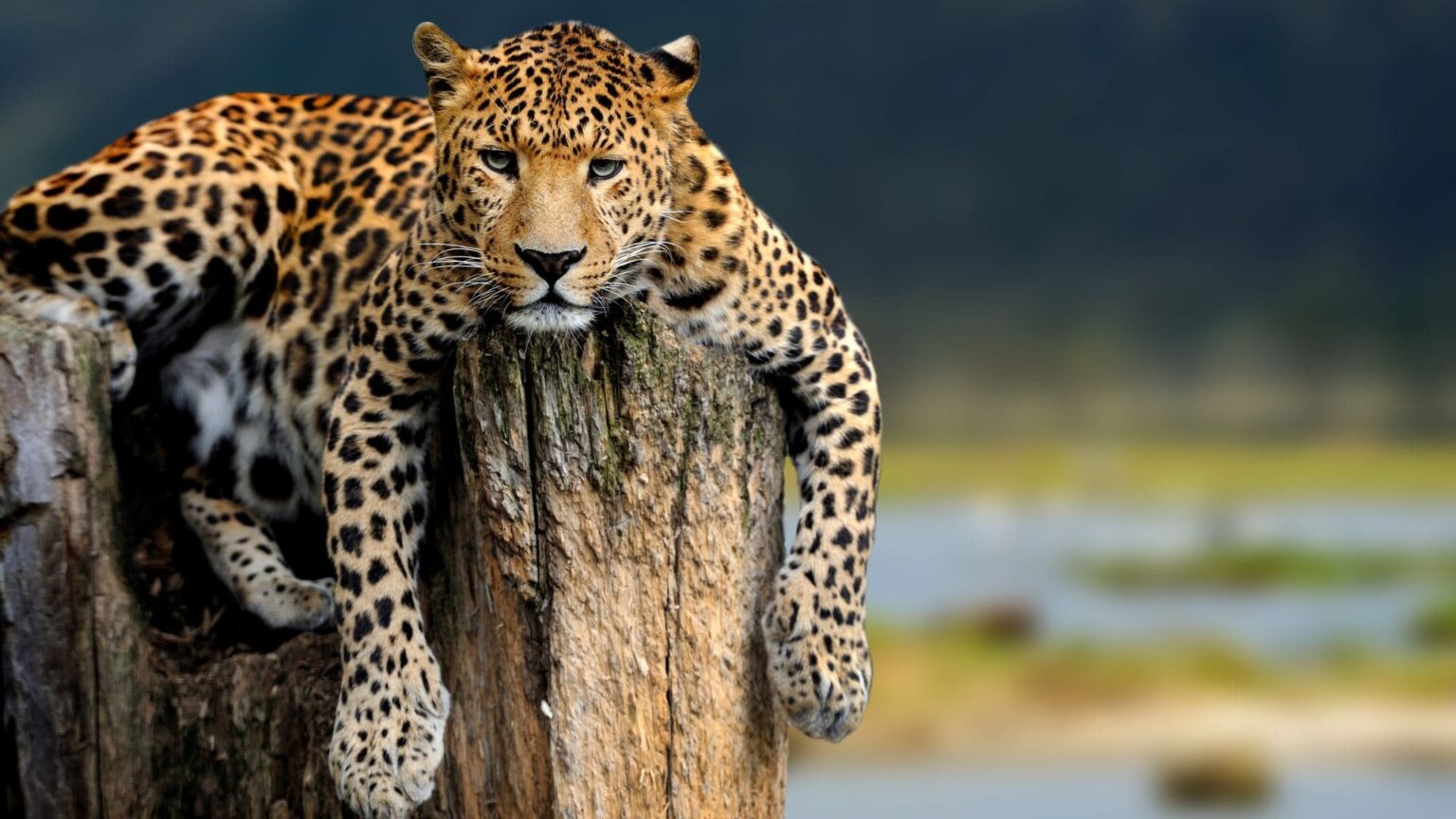
Some leopards rest in trees or carry prey onto branches, but not every leopard sighting occurs above the ground. They also spend considerable time moving or resting within thick cover.
Where Can I See Elephants in Masai Mara?
African savannah elephants are widely distributed across the Greater Mara ecosystem. They may be observed crossing open plains, feeding in woodland, drinking at rivers or moving between the reserve and surrounding conservancies.
Elephants live within complex family structures. A typical family group is led by an experienced matriarch whose knowledge helps the herd locate water, food and safe movement routes.
Visitors should remain quiet and allow elephants enough space, especially when calves are present. Vehicles should never block a herd’s path or approach an elephant showing signs of discomfort.
Because elephants reshape vegetation, spread seeds and create access to water or food used by other animals, they play an essential ecological role extending far beyond their visual appeal.
Where Can I See Buffaloes in Masai Mara?
African buffaloes are common in many parts of the Masai Mara. Herds may gather in open grassland, marshy areas or near rivers, while older males sometimes live alone or in smaller groups.
Buffaloes are powerful animals that should be treated with respect. Safari visitors remain safest inside an appropriate vehicle and follow the directions of their guide.
Lions sometimes hunt buffaloes, but the animals can defend themselves collectively. Interactions between lions and buffalo herds can be dramatic, although such behavior remains unpredictable.
Buffalo sightings may appear straightforward compared with finding a leopard or rhino, but observing herd communication, calf protection and social movement can be equally rewarding.
Can I See Black Rhinos in Masai Mara?
Black rhinos live within the Masai Mara ecosystem, but they are the most difficult member of the Big Five to find. Their population is small, and they may spend time in bushy areas where visibility is limited.
Unlike white rhinos, black rhinos are primarily browsers. Their pointed upper lip helps them feed on leaves, twigs and shrubs. The animals are generally solitary, although females may travel with calves.
Travelers should be cautious about any itinerary promising a guaranteed rhino sighting. Even experienced guides cannot control the location or visibility of these endangered animals.
When a rhino is found, guides should avoid broadcasting sensitive location details carelessly or creating excessive vehicle pressure around the animal. Conservation must remain more important than obtaining a close photograph.
Which Areas Offer Strong Big Five Viewing?
Wildlife moves throughout the ecosystem, so no single section remains the “best” every day. Rainfall, water, prey distribution and territorial behavior influence where animals are found.
Mara Triangle
The Mara Triangle occupies the southwestern portion of the national reserve and is separated from the eastern section by the Mara River. It is known for open plains, strong reserve management and productive wildlife viewing.
Visitors may encounter lions, elephants, buffaloes, leopards and, with luck, black rhinos. During migration season, herds may also enter or leave the Mara through this part of the ecosystem.
Central and Eastern Masai Mara
Areas around the Talek River, Musiara Marsh and central grasslands can provide excellent predator and herbivore sightings. Riverine vegetation offers cover for leopards, while open areas support lions, cheetahs and numerous grazing animals.
Greater Mara Conservancies
Community conservancies surrounding the national reserve protect important wildlife habitat and movement corridors. Depending on the specific conservancy, visitors may enjoy controlled vehicle numbers, guided walks, night drives and off-road viewing under established rules.
Not every activity is permitted everywhere. Guests should confirm the regulations and inclusions applying to their selected accommodation.
What Other Animals Can I See While Searching for the Big Five?
A Big Five game drive introduces travelers to many other animals that are equally important to the Mara ecosystem.
Cheetahs: These high-speed predators use open plains to hunt gazelles and other suitable prey.
Spotted hyenas: Intelligent social carnivores that hunt as well as scavenge.
Giraffes: Masai giraffes browse on trees and shrubs throughout the ecosystem.
Zebras and wildebeests: These grazers occur throughout the year and arrive in immense seasonal concentrations during the Great Migration.
Hippopotamuses: Hippos rest in rivers and pools during daylight before leaving the water to graze at night.
Nile crocodiles: Large crocodiles inhabit the Mara River and become especially visible around migration-crossing areas.
Antelopes: Topis, impalas, elands, waterbucks, Thomson’s gazelles and Grant’s gazelles occur across different habitats.
Birds: More than 500 bird species have been recorded in the Greater Mara ecosystem, including secretary birds, vultures, eagles, ostriches and lilac-breasted rollers.
Allowing time for these animals creates a richer safari than rushing between reports of the Big Five.
When Is the Best Time for a Big Five Safari?
The Masai Mara provides wildlife viewing throughout the year. The best time depends on whether the traveler prioritizes the Great Migration, fewer visitors, photography, birdlife or green landscapes.
| Season | Advantages | Considerations |
|---|---|---|
| January to February | Good resident wildlife viewing and generally open visibility. | Conditions can be warm and dry. |
| March to May | Green landscapes, birdlife, fewer vehicles and possible seasonal value. | Rain can affect roads, flights and game-drive conditions. |
| June | Increasingly dry trails and strong resident wildlife viewing. | The main migrating herds may not yet have arrived. |
| July to October | Great Migration possibilities and active predator-prey interactions. | Higher rates and more visitors, especially around river crossings. |
| November to December | Fresh vegetation, resident animals and varied birdlife. | Short rains may affect some activities. |
The migration is not required for seeing the Big Five. Lions, leopards, elephants, buffaloes and rhinos are resident animals, although individual sightings remain uncertain in every season.
How Many Days Do I Need to Look for the Big Five?
Three nights are recommended for a first Masai Mara safari. Four or five nights provide more time to explore different habitats and improve the possibility of locating elusive animals.
| Length of stay | Safari potential |
|---|---|
| Two nights | A short introduction with limited time to search different areas. |
| Three nights | A practical first visit with several morning and afternoon game drives. |
| Four nights | More flexibility for leopards, rhinos, photography and changing wildlife conditions. |
| Five nights or more | A relaxed safari suited to photographers and visitors combining the reserve with a conservancy. |
How Can I Improve My Chances of Seeing the Big Five?
Allow sufficient time: Several game drives provide more opportunities than a single rushed day.
Travel with a knowledgeable guide: Experienced guides interpret tracks, calls, habitat and animal behavior.
Use morning and late-afternoon drives: Cooler hours often coincide with increased animal activity.
Choose accommodation carefully: Lodge location influences how quickly different habitats can be reached.
Keep expectations flexible: Weather and wildlife movement may require changing the day’s route.
Consider a private vehicle: Private game drives give travelers greater control over timing and how long they remain at each sighting.
Even with excellent planning, rhinos or leopards may remain out of sight. Respect for natural uncertainty is an essential part of an authentic safari.
How Can I View the Big Five Responsibly?
Responsible viewing protects wildlife and preserves the quality of the safari for other visitors.
Maintain an appropriate distance: Never pressure a guide to approach an animal too closely.
Avoid blocking movement: Wildlife must retain an open escape route.
Keep noise low: Loud conversation can disturb resting, feeding or hunting animals.
Do not surround predators: Excessive vehicle pressure can interfere with natural behavior.
Never feed wildlife: Feeding animals creates dependency and potentially dangerous behavior.
Follow reserve and conservancy regulations: Rules concerning off-road driving and night activities differ by location.
Can I Combine a Masai Mara Safari With Other Destinations?
Yes. The Masai Mara can be combined with Amboseli, Lake Nakuru, Samburu or Kenya’s Indian Ocean coast. It can also form part of a multi-country East African safari.
Travelers may connect the Mara with Tanzania’s Serengeti National Park or continue to Uganda and Rwanda for mountain gorilla trekking.
Regional flights can reduce travel time, while road itineraries offer closer views of changing landscapes. Border formalities, flight schedules and luggage restrictions should be considered when planning.
Why Book Your Big Five Safari With Ngeye Uganda Tours?
Ngeye Uganda Tours designs customized Kenya and East Africa journeys based on each traveler’s dates, budget, interests and accommodation preferences.
Our team can arrange transportation, regional flights, safari camps, game drives and cultural experiences. We help visitors select suitable locations within the national reserve or surrounding conservancies without making unrealistic wildlife guarantees.
Experienced guides focus on animal behavior, conservation and respectful viewing, helping guests appreciate the complete ecosystem rather than simply completing a checklist.
Contact Ngeye Uganda Tours to plan a Masai Mara safari featuring the Big Five, big cats, birdlife and the remarkable landscapes of Kenya’s Greater Mara ecosystem.
Frequently Asked Questions About the Big Five in Masai Mara
Can I see all the Big Five in Masai Mara?
All five species live in the ecosystem, and seeing them on one safari is possible. However, wildlife sightings are never guaranteed, and black rhinos and leopards are often the most difficult to locate.
Which Big Five animal is easiest to see?
Lions, elephants and buffaloes are generally encountered more frequently than leopards and black rhinos. Actual sightings vary daily.
Which Big Five animal is hardest to see?
The black rhinoceros is normally the most challenging because of its small population and preference for habitat where visibility may be restricted.
Are there white rhinos in Masai Mara?
The Masai Mara is primarily associated with indigenous black rhinos. Travelers specifically interested in seeing white rhinos may combine the Mara with another suitable Kenyan conservation area.
What is the best time for a Big Five safari?
The Big Five are resident throughout the year. July to October is popular for the Great Migration, while other months may provide fewer visitors, green scenery and excellent resident wildlife.
How many days do I need to see the Big Five?
Three nights provide a practical introduction, while four or five nights improve flexibility and offer more time to search for leopards and rhinos.
Does the Great Migration improve Big Five sightings?
The migration brings immense prey concentrations and may increase predator activity, but elephants, buffaloes, leopards, lions and rhinos are resident animals that can be seen outside migration season.
Can Big Five sightings be guaranteed?
No. These are wild animals moving freely through a natural ecosystem. Ethical safari operators never guarantee individual wildlife sightings.