How Long Should You Stay in Masai Mara for the Best Safari Experience?
How long should you stay in Masai Mara for the best safari experience? For most international travelers, three nights is a practical minimum, while four to five nights provides a more relaxed and rewarding experience. This gives you several opportunities to enjoy morning and afternoon game drives, explore different wildlife areas, and accommodate the unpredictable nature of animal sightings.
The Masai Mara National Reserve, also known as the Maasai Mara, is one of Africa’s most celebrated wildlife destinations. Located in southwestern Kenya and connected to Tanzania’s Serengeti National Park, the reserve is renowned for its open savannahs, abundant predators, seasonal wildebeest migration, and memorable cultural experiences.
A very short visit may provide exciting wildlife sightings, but it can also feel rushed—especially when traveling to the reserve by road. Wildlife moves freely, weather conditions change, and special encounters cannot be scheduled. Spending several nights gives your guide more time to locate different species and allows you to appreciate the rhythm of the Mara rather than racing through it.
Travelers planning comprehensive Kenya Safaris can also combine the Masai Mara with Lake Nakuru, Lake Naivasha, Amboseli, Samburu, or the Kenyan coast. The right number of nights will therefore depend on your available time, preferred activities, travel season, and whether the Mara is the main focus of your journey.
Quick Answer: How Many Nights Do You Need in Masai Mara?
The ideal stay depends on how deeply you want to explore the reserve and the surrounding conservancies.
Why Are Three to Five Nights Recommended?
Three to five nights provide a comfortable balance between wildlife viewing, travel time, additional activities, and relaxation. Although sightings in the Masai Mara can be exceptional throughout the year, no responsible safari operator can guarantee where a particular animal will be found on a particular day.
Wildlife Encounters Are Unpredictable
Lions may rest for several hours before becoming active, leopards can remain concealed in riverine vegetation, and cheetahs continually move across large territories. Elephants, buffaloes, giraffes, zebras, and antelopes also change location according to water, grazing conditions, and seasonal rainfall.
Repeated game drives significantly improve the range of sightings you may experience. One drive might reveal a pride of lions near a fresh kill, while another could produce a leopard sighting, elephant encounter, or dramatic interaction between predators and prey.
Different Areas Offer Different Landscapes
The Greater Mara ecosystem contains open grasslands, seasonal streams, riverine forests, escarpments, and the Mara and Talek river systems. These habitats attract different animals and provide varied photographic settings.
A longer stay allows your guide to explore several areas without rushing. It also creates opportunities to spend meaningful time at special sightings instead of immediately leaving to cover a long checklist.
Safari Travel Should Include Time to Relax
A Masai Mara safari is not only about remaining in a vehicle from morning until evening. Many camps and lodges offer viewing decks, swimming pools, bush meals, sundowners, and peaceful spaces overlooking the savannah.
Staying four or five nights allows you to enjoy these facilities between game drives. This slower schedule is especially valuable for families, honeymooners, older travelers, and guests recovering from a long international flight.
What Can You Experience During a Longer Masai Mara Safari?
The number of activities you want to include will directly influence the ideal length of your stay.
Morning and Afternoon Game Drives
Game drives form the heart of most Kenya wildlife safaris. Early mornings often bring cooler temperatures, attractive photography light, and opportunities to find predators before they settle down for the day.
Late-afternoon drives provide another period of wildlife activity and frequently end with memorable sunsets over the plains. A multi-night stay lets you experience these changing conditions several times.
Full-Day Game Drives
A full-day drive can be arranged when wildlife activity is concentrated farther from your camp. Guests normally carry a packed breakfast or lunch and spend more time exploring remote sections of the reserve.
This option is particularly useful during the migration season, although it should be balanced with shorter drives and rest periods.
Hot-Air Balloon Safari
A sunrise balloon flight offers an entirely different view of the Mara’s plains, rivers, wildlife trails, and surrounding landscapes. Because flights are weather-dependent and require a very early start, travelers should avoid scheduling the activity on the morning of departure.
Including an additional night gives you a more flexible itinerary and helps protect the rest of your safari schedule.
Responsible Maasai Cultural Experiences
A respectful cultural visit can introduce travelers to Maasai traditions, pastoral life, beadwork, storytelling, and community-led conservation. Cultural activities should be thoughtfully arranged so that they benefit local residents and provide meaningful interaction instead of a rushed performance.
Conservancy Activities
Private conservancies surrounding the national reserve may offer guided walks, night drives, bush meals, and more exclusive game-viewing conditions. These activities are generally not permitted inside the main Masai Mara National Reserve, so your accommodation location matters.
Combining two or three nights in the national reserve with two or three nights in a conservancy can provide a broader safari experience. Ngeye Uganda Tours can recommend an appropriate combination based on your interests and budget.
How Long Should You Stay During the Great Migration?
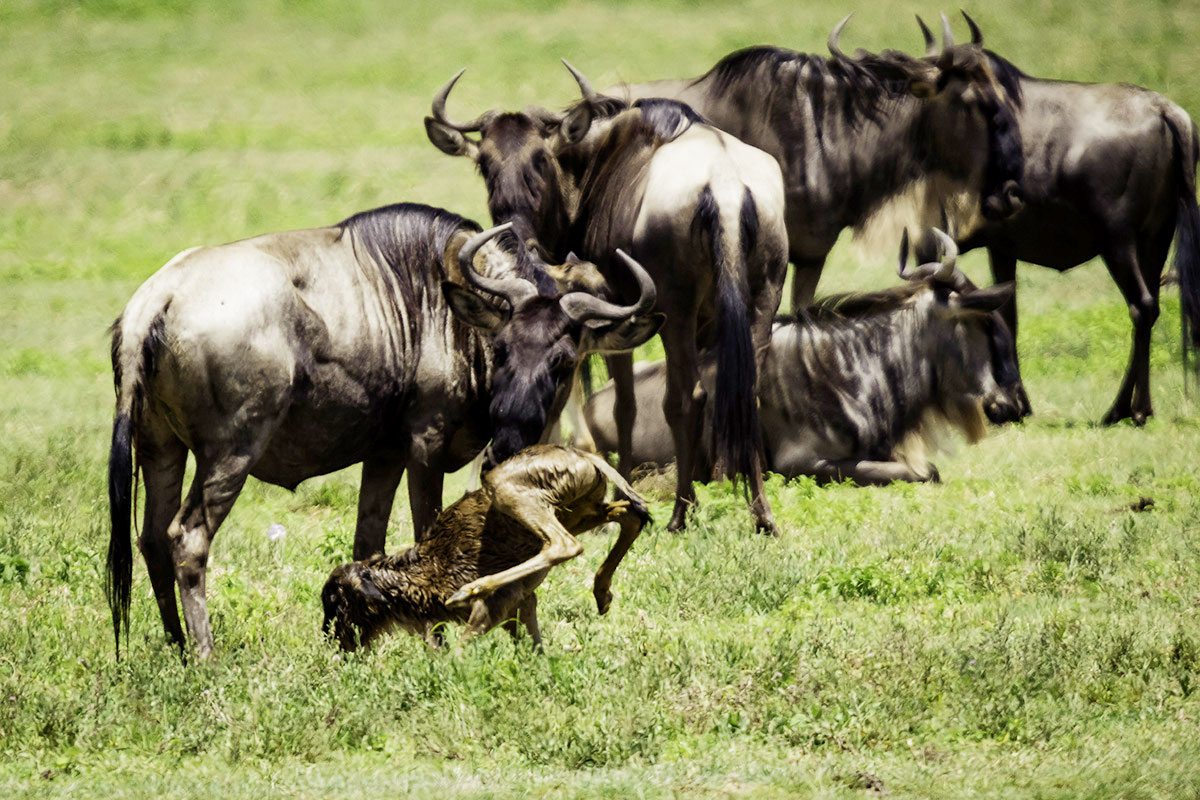
If witnessing the Great Migration is one of your main travel goals, consider spending at least four nights in the Masai Mara. Wildebeest and zebra generally enter the Greater Mara ecosystem during the middle of the year, but their exact movements depend on rainfall and grazing conditions.
River crossings are completely natural events and cannot be scheduled or guaranteed. A herd may gather near a riverbank for several hours or days before crossing, change direction unexpectedly, or cross in a different location. Staying longer improves your chances, but patience remains essential.
The broader migration season is commonly associated with July through October, although annual timing varies. Travelers should therefore view a river crossing as a possible highlight rather than the only measure of a successful safari. Big cats, elephants, giraffes, buffaloes, hippos, crocodiles, and resident antelopes can make the journey rewarding even when a crossing does not occur.
When Is the Best Time to Visit Masai Mara?
July to October: Migration and Peak Demand
This is the most popular period for visiting the Masai Mara because large migratory herds may be present in the ecosystem. Wildlife viewing can be outstanding, but accommodation demand, visitor numbers, and safari prices are also usually higher.
Four to five nights are recommended during this period, particularly for travelers hoping to observe migration activity in different parts of the reserve.
January to February: Drier Conditions and Resident Wildlife
January and February can offer excellent general game viewing, warmer weather, and good photography conditions. Resident wildlife remains in the Mara throughout the year, making this period attractive to travelers who want strong sightings without making the migration their main focus.
March to May: Green Season
The wetter months transform the landscape into a rich green environment. The season can provide dramatic skies, beautiful photographic backgrounds, active birdlife, fewer visitors, and potentially better accommodation value.
Rain can make some tracks difficult to navigate, but showers do not necessarily continue throughout the day. A well-planned three-to-four-night stay can still be extremely rewarding.
November to December: Short Rains and Fresh Landscapes
The short-rain season brings renewed vegetation, newborn animals, and excellent birdwatching. It is a strong option for travelers seeking a quieter safari and a greener setting.
Should You Drive or Fly to Masai Mara?
Your transport choice also affects how many nights you should book.
Traveling by Road
A road safari provides views of Kenya’s countryside and can be combined with destinations such as Lake Naivasha or Lake Nakuru. However, driving from Nairobi takes a substantial part of the day, depending on traffic, road conditions, the selected gate, and the location of your camp.
If traveling by road, three nights should generally be considered the minimum. Four nights will feel considerably more relaxed and provide more complete game-viewing days.
Flying from Nairobi
Scheduled light-aircraft flights connect Nairobi with several airstrips in the Greater Mara. Flying reduces transfer time and is useful for travelers with limited vacation days or those seeking a premium safari experience.
A two-night fly-in safari is possible, but three or four nights will still provide a more fulfilling experience.
Can You Combine Masai Mara with Other East African Destinations?
The Masai Mara combines naturally with several other safari destinations. A longer East African itinerary could include Serengeti National Park, Amboseli, Lake Nakuru, Lake Naivasha, or Kenya’s Indian Ocean coast.
International travelers may also combine Kenya Safaris with Uganda Safaris or Rwanda Safaris. These regional journeys can add gorilla trekking, chimpanzee tracking, cultural encounters, and specialist birding experiences.
Why Plan Your Masai Mara Safari with Ngeye Uganda Tours?
Ngeye Uganda Tours designs personalized East African safaris for travelers seeking professional planning, carefully selected accommodation, knowledgeable guides, and dependable logistical support.
We consider your available time, wildlife interests, preferred accommodation category, travel season, mobility requirements, and overall budget before recommending the right number of nights. This personalized approach prevents an itinerary from feeling either rushed or unnecessarily long.
Our safari planning services can include private transport, airport transfers, accommodation, park arrangements, game drives, regional flights, cultural experiences, and cross-border extensions. Every itinerary is structured to provide a comfortable balance between exploration and relaxation.
Start Planning Your Masai Mara Safari
For most travelers, three nights is the recommended minimum and four to five nights offers the best overall Masai Mara experience. Let our safari specialists design a journey around your dates, interests, and preferred travel style.
Frequently Asked Questions About Masai Mara Safari Duration
Is two nights enough in Masai Mara?
Two nights can provide a brief introduction, especially on a fly-in safari. However, it normally leaves only one full day for wildlife viewing. Three or four nights offer greater flexibility and a more relaxed experience.
Are three nights enough for a Masai Mara safari?
Yes. Three nights are sufficient for several morning and afternoon game drives and represent a good minimum for most first-time visitors. Travelers focused on photography or the migration should consider staying longer.
How long should I stay during the Great Migration?
Four to five nights are recommended during the migration season. A longer stay improves your chances of finding the herds and observing varied wildlife activity, although river crossings can never be guaranteed.
Should I stay in the national reserve or a private conservancy?
The national reserve provides access to famous wildlife areas and migration routes, while private conservancies may offer activities such as guided walks and night drives. Combining both can create a more varied safari.
Is Masai Mara worth visiting outside the migration season?
Yes. The Greater Mara supports abundant resident wildlife throughout the year. Green-season travel can also provide fewer visitors, attractive landscapes, active birdlife, and excellent photography conditions.
How many days should my complete Kenya safari last?
A seven-to-ten-day itinerary provides enough time to combine the Masai Mara with destinations such as Lake Nakuru, Lake Naivasha, Amboseli, or the Kenyan coast. The exact duration should reflect your travel interests and preferred pace.