Guided Safaris in Tsavo National Park
Guided safaris in Tsavo National Park introduce travelers to one of Kenya’s largest, wildest, and most visually dramatic conservation landscapes. Divided into Tsavo East and Tsavo West, the wider Tsavo ecosystem contains open plains, red-earth scenery, river corridors, volcanic formations, natural springs, wooded valleys, rocky hills, wetlands, and extensive wildlife habitats.
A professional guide adds far more than transportation. Guides interpret animal behavior, identify birds, explain ecological relationships, navigate permitted routes, monitor changing conditions, and help travelers understand the conservation significance of the landscape. Their knowledge can turn a brief wildlife sighting into a meaningful encounter.
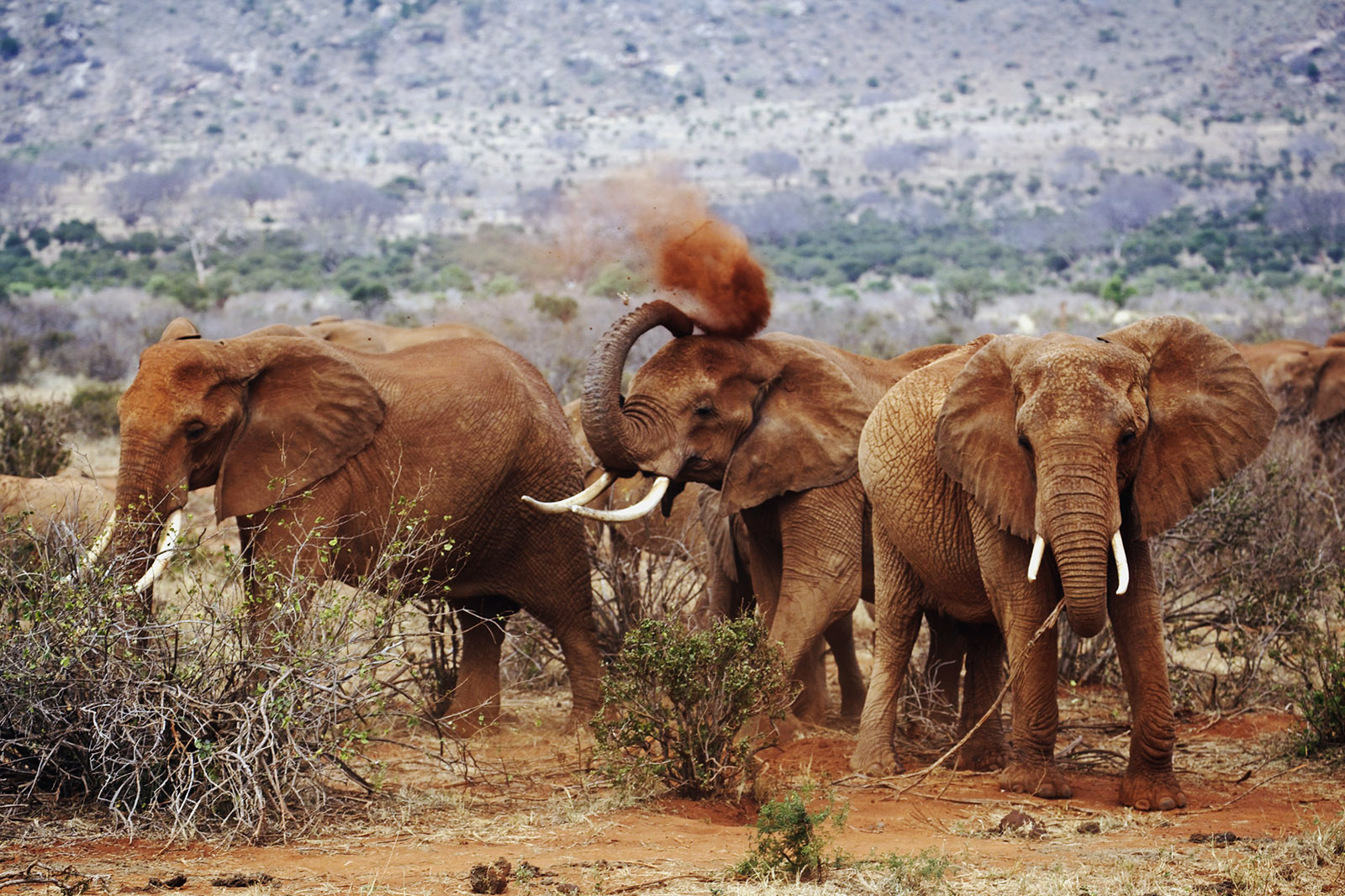
Tsavo East and Tsavo West offer contrasting safari experiences. Tsavo East is known for expansive plains, elephants covered in red dust, the Galana River, dams, rocky formations, and relatively open game viewing. Tsavo West provides natural springs, volcanic landscapes, hills, wetlands, conservation areas, and more densely vegetated wildlife habitats.
This professional guide from Ngeye Uganda Tours explains the different guided safari options in Tsavo, wildlife possibilities, vehicle choices, recommended duration, seasonal conditions, safety, packing, accommodation, and responsible viewing practices.
Quick answer: Guided Tsavo safaris can include private or shared game drives, birdwatching, photography, scenic exploration, conservation-focused visits, and authorized walking experiences. A professional guide improves safety, route planning, wildlife interpretation, and the overall quality of the journey.
Why Choose a Guided Safari in Tsavo?
Tsavo is immense, and its wildlife is distributed across changing habitats. Rivers, waterholes, vegetation, weather, fires, rainfall, and seasonal animal movements influence where species may be found. A guide familiar with these patterns can select appropriate routes while respecting park regulations.
Professional guides also recognize signs that many visitors overlook. Tracks, dung, alarm calls, feeding marks, circling vultures, and unusual animal behavior can indicate wildlife nearby. Bird calls and habitat knowledge also help guides locate species that would otherwise remain unnoticed.
Interpretation is another important benefit. Instead of simply identifying an elephant or lion, a knowledgeable guide can explain social behavior, feeding patterns, communication, habitat requirements, and conservation challenges.
Guided travel is especially valuable in Tsavo West, where dense vegetation can conceal wildlife. It is also useful in Tsavo East because the park’s enormous scale requires intelligent route planning rather than random driving.
Tsavo East vs Tsavo West for Guided Safaris
| Safari Feature | Tsavo East | Tsavo West |
|---|---|---|
| Landscape | Open plains, red soil, rivers, dams, baobabs, and rocky outcrops | Hills, woodland, springs, wetlands, lava flows, and volcanic cones |
| Wildlife visibility | Animals can be easier to detect across relatively open terrain | Thicker vegetation often requires greater patience |
| Signature attractions | Galana River, Aruba Dam, Mudanda Rock, Lugard Falls, and Yatta Plateau | Mzima Springs, Shetani Lava Flow, Chaimu Crater, Ngulia Hills, and viewpoints |
| Best suited to | Classic game viewing, elephant photography, and shorter coastal combinations | Scenery, geology, birding, conservation, and exploratory safaris |
| Recommended stay | Two or three nights | Two or three nights |
What Types of Guided Safaris Are Available in Tsavo?
Guided Wildlife Game Drives
Game drives are the principal way to explore Tsavo. Travelers use a suitable safari vehicle accompanied by a professional driver-guide who follows authorized roads and searches for wildlife across different habitats.
Morning drives often begin when temperatures are cooler and many animals are active. Afternoon drives can continue into the softer evening light, subject to current park hours and the requirement to return to accommodation on time.
Full-day game drives can reach more distant areas but require packed meals, sufficient drinking water, and careful pacing. They are not automatically better than shorter drives because midday temperatures can reduce animal activity.
Private Guided Safaris
A private safari gives an individual traveler, couple, family, or group exclusive use of the vehicle and guide. This arrangement provides greater flexibility over departure times, stops, photography, and daily interests.
Private safaris are especially valuable for photographers, birdwatchers, families with children, honeymooners, and travelers who prefer a slower pace. The cost per person may be higher for a couple than for a larger group, but the flexibility can substantially improve the experience.
Shared Guided Safaris
Shared safaris distribute vehicle and guiding costs among several travelers. They can be more affordable and create opportunities to meet people from different countries.
The main limitation is reduced flexibility. Participants must agree on departure times, wildlife interests, photography stops, and the length of each observation. Seat allocation and window access should be clarified before booking.
Photography Safaris
Photography-focused safaris allocate additional time to light, composition, animal behavior, and positioning. A guide should understand how to place the vehicle responsibly without blocking other visitors or disturbing wildlife.
Tsavo East is particularly rewarding for open wildlife photography and red-earth landscapes. Tsavo West offers environmental portraits, springs, lava formations, hills, and layered scenery.
Wildlife must never be pressured, surrounded, chased, or forced to change direction for a photograph. No image is more important than animal welfare.
Birdwatching Safaris
Tsavo’s plains, rivers, springs, woodland, hills, wetlands, and rocky areas support extensive birdlife. Tsavo East is especially interesting for dry-country species, raptors, hornbills, rollers, starlings, and large terrestrial birds.
Tsavo West provides habitat-focused birding around Mzima Springs, Ngulia, wooded valleys, rocky slopes, and Lake Jipe. Seasonal migrants may join resident species during part of the year.
Birdwatchers should request a guide with appropriate identification skills because many species are located initially by call, habitat, flight pattern, or subtle plumage details.
Scenic and Geological Safaris
Not every Tsavo safari needs to focus exclusively on mammals. Guided scenic journeys can explore rivers, lava fields, volcanic cones, rock formations, springs, hills, viewpoints, and wetland environments.
These experiences are particularly valuable in Tsavo West, where geology and water have shaped a visually varied landscape. Guides can explain how volcanic formations influence drainage, vegetation, wildlife, and human settlement.
Guided Walking Experiences
Walking is not permitted freely throughout Tsavo. Any walking experience must occur in an authorized area and follow current park regulations, ranger requirements, weather conditions, and wildlife-safety procedures.
Where approved, guided walks can introduce visitors to tracks, plants, insects, geology, birdlife, and smaller ecological details that are easily missed from a vehicle.
Travelers should never leave the safari vehicle without explicit permission from their guide or an authorized park official.
What Wildlife Can You See on a Guided Tsavo Safari?
Tsavo supports elephants, buffaloes, giraffes, zebras, warthogs, baboons, waterbucks, impalas, lesser kudus, gerenuks, oryx, and numerous other herbivores. The exact species encountered depend on location, habitat, season, water, and natural movement.
Lions inhabit both Tsavo East and Tsavo West. Leopards and cheetahs also occur but can be more elusive. Spotted hyenas, jackals, and smaller carnivores contribute to the wider predator community.
Hippos and crocodiles may be observed around suitable rivers, springs, and wetlands. Visitors must remain within authorized areas and respect safety instructions near water.
Black rhinos are protected within the wider Tsavo West conservation landscape. Their distribution, dense habitat, security requirements, and naturally elusive behavior mean sightings cannot be promised.
Wildlife-viewing reminder: A skilled guide improves the search and interpretation, but no guide or responsible safari company can guarantee a particular animal. Tsavo is a natural ecosystem, not a zoo.
Important Attractions Explored on Guided Tsavo Safaris
Galana River
The Galana River is one of Tsavo East’s most important landscape features. Its water and riverine vegetation support birds, reptiles, herbivores, predators, and smaller wildlife.
Aruba Dam
Aruba Dam can attract wildlife and birds when water and habitat conditions are suitable. Water levels change seasonally, affecting animal distribution and visibility.
Mudanda Rock
Mudanda Rock offers an elevated perspective over the surrounding Tsavo East landscape. Access and wildlife presence depend on current park conditions.
Lugard Falls
Lugard Falls consists of rapids and channels where the Galana River moves through sculpted rock. A guide can explain the geology and safety requirements of the area.
Mzima Springs
Mzima Springs is supplied by water that originates as rainfall over the neighboring Chyulu Hills and travels underground through volcanic rock. The clear pools support fish and may reveal hippos, crocodiles, monkeys, and birds.
Wildlife presence, water clarity, trails, and viewing facilities can vary. Visitors must remain on approved paths and follow safety instructions.
Shetani Lava Flow
Shetani Lava Flow is a dramatic field of dark volcanic rock created by historical eruptions. Its sharp and uneven surface means visitors should remain in authorized areas.
Ngulia Hills and Rhino Conservation
The Ngulia area combines rugged scenery, seasonal bird migration, and important black-rhino conservation. Access restrictions may apply for wildlife protection and security.
Which Safari Vehicle Is Best for Tsavo?
Extended safari vehicles should provide good visibility, appropriate ground clearance, reliable mechanical condition, seat belts, communication equipment, and sufficient room for passengers and luggage.
Four-Wheel-Drive Safari Vehicle
A four-wheel-drive safari vehicle is highly valuable when roads become muddy, uneven, or damaged. It provides additional capability during difficult conditions but does not make every route accessible after severe weather.
Safari Van
A properly maintained safari van can be suitable for established routes in favorable conditions. It may provide a more economical option for shorter or budget-conscious itineraries.
Vehicle suitability depends on season, route, group size, luggage, and current road conditions. The cheapest vehicle should not be selected at the expense of safety or reliability.
Private Safari vs Shared Safari
| Consideration | Private Safari | Shared Safari |
|---|---|---|
| Flexibility | High flexibility over timing, stops, and interests | Activities follow the group schedule |
| Cost | Higher cost for couples or solo travelers | Vehicle costs are divided among participants |
| Photography | More freedom to wait and reposition responsibly | Stops must reflect the whole group’s interests |
| Families | Can adjust drives around children’s needs | May be less flexible for breaks and shorter activities |
| Social experience | Greater privacy | Opportunity to meet other travelers |
How Long Should a Guided Tsavo Safari Be?
One night provides only a brief introduction and works best for travelers passing between Nairobi and Kenya’s coast. Arrival or transfer delays can reduce game-viewing time considerably.
Two nights are suitable for exploring either Tsavo East or Tsavo West. This arrangement may include an arrival game drive, one full day, and a final morning drive.
Three nights allow a more relaxed exploration of one park or a fast combination of both. Travelers attempting both parks within three nights must accept longer transfer periods.
Four to six nights provide the best balance for combining Tsavo East and Tsavo West. Photographers and specialist birdwatchers may prefer six or seven nights.
Sample Four-Night Guided Tsavo Safari
Day One: Arrival in Tsavo East
Enter Tsavo East through the most convenient gate and enjoy an introductory game drive while traveling toward the selected accommodation.
Day Two: Guided Exploration of Tsavo East
Explore open plains, river habitats, dams, and wildlife-viewing circuits during morning and afternoon drives. The route should respond to current wildlife activity and road conditions.
Day Three: Tsavo East to Tsavo West
Enjoy wildlife viewing while leaving Tsavo East and transfer into Tsavo West. Continue toward the selected lodge without overloading the day with distant attractions.
Day Four: Mzima Springs and Tsavo West
Visit Mzima Springs subject to current access conditions, followed by game viewing and selected volcanic or scenic attractions.
Day Five: Final Game Drive and Departure
Complete an early wildlife drive before leaving for Amboseli, Nairobi, Mombasa, or another destination.
When Is the Best Time for a Guided Tsavo Safari?
Tsavo can be explored throughout the year. The generally drier periods from June to October and January to February are popular because vegetation may be less dense, roads are often easier to use, and animals may concentrate near permanent water.
The greener periods from approximately March to May and November to December provide fresh landscapes, active birdlife, dramatic skies, and potentially fewer visitors. Heavy rain can make certain roads muddy or temporarily inaccessible.
Approximately October to April can be rewarding for birdwatchers because seasonal migrants may join resident species. Rainfall and migration timing vary annually.
No season guarantees clear skies, dry roads, or specific wildlife. A guided itinerary should respond to actual conditions rather than rely entirely on seasonal assumptions.
Where Should You Stay?
Tsavo offers luxury camps, established safari lodges, mid-range tented camps, budget properties, and designated campsites. Accommodation should be selected according to park gate, priority attractions, travel direction, comfort, and budget.
A lodge overlooking a waterhole may create excellent wildlife-viewing possibilities, but animal presence cannot be guaranteed. A remote camp may provide privacy but require longer transfers.
Travelers should confirm meals, electricity, charging, internet, child policies, guide accommodation, park-fee arrangements, and activity inclusions before booking.
What Should You Pack?
Pack lightweight clothing in neutral colors, a warm layer for early mornings, closed shoes, a hat, sunglasses, sunscreen, insect repellent, prescribed medication, and a reusable water bottle.
Binoculars improve wildlife and bird observation. Photographers should carry spare batteries, memory cards, lens-cleaning materials, and suitable protection from dust.
Travelers using small safari aircraft should bring soft-sided luggage and confirm weight limits. Important documents, insurance details, chargers, and personal medication should remain easily accessible.
How to Choose a Professional Safari Guide
A suitable guide should understand park regulations, wildlife behavior, route planning, basic vehicle maintenance, guest safety, and respectful viewing practices. Clear communication and patience are equally important.
Birdwatchers and photographers should ask for a guide with relevant specialist experience. Families should request someone comfortable adapting activities to children’s ages and attention spans.
Travelers should also confirm whether the guide is included throughout the journey, whether another guide takes over at a lodge, and which language will be used during the safari.
Responsible Guided Safaris in Tsavo
Responsible guides maintain appropriate wildlife-viewing distances, remain on authorized roads, reduce noise, and avoid pressuring animals. Vehicles should not surround wildlife or block movement routes.
Visitors must never feed animals, discard litter, collect natural materials, or leave the vehicle without permission. Recorded bird calls should be used cautiously, if at all, because excessive playback can disrupt feeding and breeding behavior.
Respectful conduct protects wildlife, improves safety, and preserves the experience for other travelers.
Why Choose Ngeye Uganda Tours for a Guided Tsavo Safari?
Planning a Tsavo safari requires coordination between vehicles, guides, accommodation, park gates, fees, road conditions, attractions, transfers, and onward destinations.
Ngeye Uganda Tours creates customized journeys based on travel dates, budget, comfort preferences, group size, wildlife interests, photography goals, and available time.
We help travelers decide whether to visit Tsavo East, Tsavo West, or both and whether to combine Tsavo with Amboseli, Nairobi, Mombasa, or Kenya’s coast.
Explore our safari packages, browse the Kenya national parks guide, or learn more about Ngeye Uganda Tours.
Plan Your Guided Tsavo Safari
Explore red elephants, open plains, rivers, clear springs, volcanic landscapes, birds, and conservation areas with a professionally planned itinerary.
Frequently Asked Questions About Guided Tsavo Safaris
Do I need a guide to visit Tsavo?
Visitors may enter under applicable park regulations, but a professional guide greatly improves navigation, wildlife interpretation, safety, and route planning—especially for international travelers unfamiliar with the parks.
Which is better for a guided safari, Tsavo East or Tsavo West?
Tsavo East is generally better for open wildlife viewing and elephant photography. Tsavo West provides greater scenic variety through springs, volcanic formations, hills, wetlands, and wooded habitats.
Can I combine Tsavo East and Tsavo West?
Yes. Four to six nights across both parks provide a balanced combination of wildlife viewing, scenic attractions, photography, birding, and relaxation.
What animals can I see in Tsavo?
Possible sightings include elephants, buffaloes, giraffes, zebras, antelopes, warthogs, baboons, lions, leopards, cheetahs, hyenas, hippos, crocodiles, and many birds. No particular species is guaranteed.
Are walking safaris available in Tsavo?
Walking is only possible in authorized areas and under current park regulations. Travelers must never leave their vehicles without permission from a guide or park official.
Are night game drives available?
Night drives are not automatically included or permitted everywhere. Availability depends on current regulations, location, authorized operators, and approved arrangements.
How many days are recommended for Tsavo?
Two or three nights suit one park, while four to six nights are recommended when combining Tsavo East and Tsavo West.
What is the best time for a guided Tsavo safari?
June to October and January to February are generally favorable for classic wildlife viewing. Green seasons offer lush scenery, bird activity, and potentially fewer visitors.
Are wildlife sightings guaranteed with a guide?
No. A knowledgeable guide improves the search but cannot control wildlife movements, weather, vegetation, water availability, or animal behavior.