How Close Is Nairobi National Park to Nairobi?
How close is Nairobi National Park to Nairobi? The park’s northern boundary lies approximately 7 kilometres south of Nairobi’s central business district, making it one of the world’s most accessible genuine wildlife destinations. Depending on your starting point, chosen entrance gate and Nairobi’s traffic conditions, the drive from the city centre generally takes between 20 and 45 minutes. During periods of heavy traffic, however, the journey can take considerably longer.
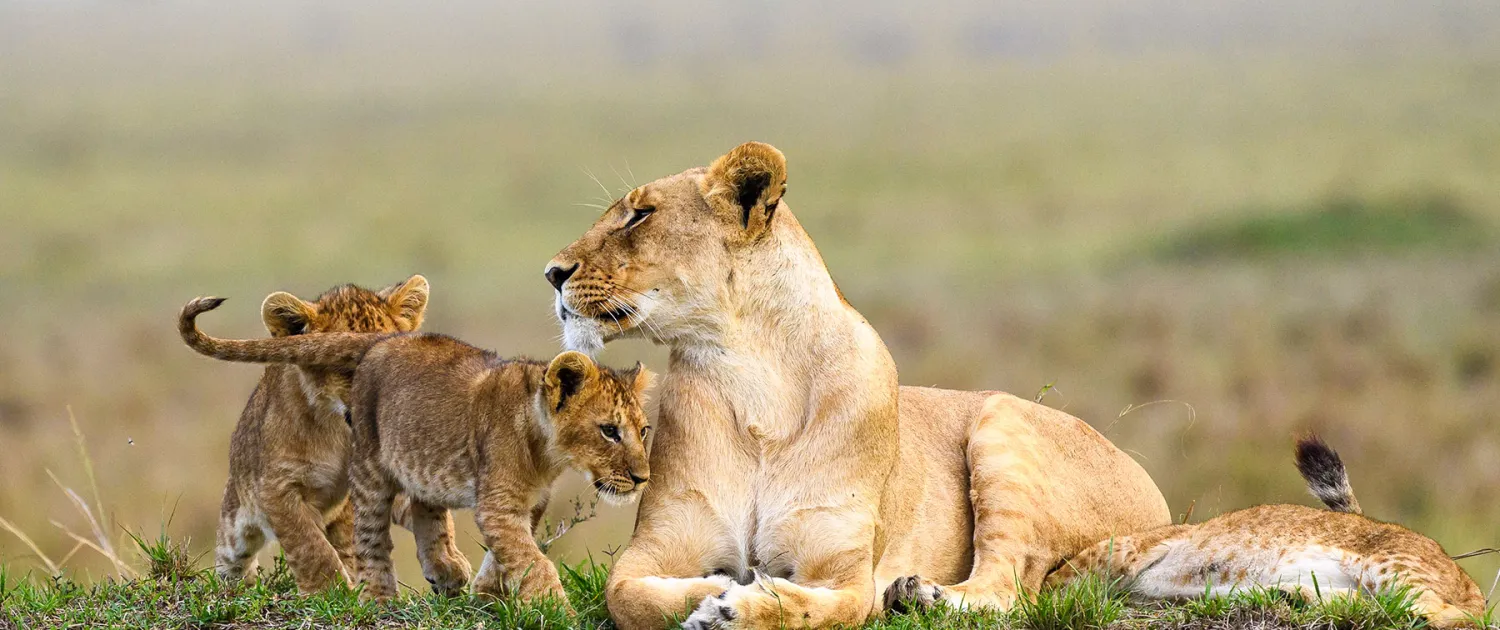
This remarkable proximity allows travelers to leave a modern African capital and enter a protected savannah ecosystem within a relatively short time. Inside the park, lions rest in open grasslands, endangered rhinos browse among shrubs, Masai giraffes feed beneath acacia trees and plains zebras move across the landscape. On clear days, Nairobi’s skyline may be visible behind the wildlife, producing one of the most distinctive safari scenes in East Africa.
Established in 1946 as Kenya’s first national park, Nairobi National Park covers approximately 117 square kilometres. Although much smaller than the Maasai Mara, Amboseli or Tsavo, it protects an impressive variety of mammals, birds and habitats. The park is especially valuable for travelers with limited time, passengers with sufficiently long stopovers, families staying in Nairobi and visitors beginning or completing longer East African safari itineraries.
Its convenient location does not mean the park is a zoo or controlled wildlife attraction. Animals move naturally through the ecosystem, and sightings depend on weather, habitat, season and animal behavior. A professionally guided visit with Ngeye Uganda Tours provides an accessible introduction to Kenya’s wildlife while maintaining realistic expectations about travel times and sightings.
How Far Is Nairobi National Park from Key Nairobi Locations?
The frequently quoted distance of approximately 7 kilometres refers to the park’s proximity to central Nairobi rather than the exact driving distance from every hotel or neighborhood. Nairobi National Park has different access points, and your actual journey depends on where you begin, which gate you use and the traffic conditions at the time.
| Starting Area | General Travel Expectation | Important Consideration |
|---|---|---|
| Nairobi city centre | Approximately 20–45 minutes under favorable conditions | Rush-hour congestion can significantly increase the journey. |
| Wilson Airport | Generally one of the most convenient airport connections | Actual time depends on the selected gate and local traffic. |
| Jomo Kenyatta International Airport | Often 30–60 minutes or longer | Allow time for immigration, baggage collection, transfers and possible congestion. |
| Karen and Lang’ata | Convenient for selected park gates | These areas also provide access to several separate Nairobi attractions. |
| Westlands and northern Nairobi | Usually requires a longer cross-city transfer | An early departure is advisable, particularly on weekdays. |
These travel times are only planning estimates. Nairobi traffic is unpredictable, and an accident, road construction, weather event or busy commuting period can change the journey considerably. Travelers should therefore avoid designing an itinerary with extremely narrow transfer windows.
Why Is Nairobi National Park’s Location So Remarkable?
National parks are normally associated with remote wilderness areas reached after several hours of driving or a domestic flight. Nairobi National Park challenges that expectation by protecting a functioning savannah ecosystem beside one of Africa’s largest and most influential cities.
Visitors can attend a morning game drive and return to Nairobi for an afternoon meeting, dinner or onward flight. This flexibility makes the park suitable for business travelers, conference delegates, families, first-time safari visitors and people whose schedules do not allow a longer journey into the Kenyan countryside.
The contrast between wild animals and the city skyline is another defining feature. Depending on visibility, route and animal position, visitors may photograph giraffes, zebras, rhinos or lions with distant buildings appearing behind them. These scenes illustrate both the park’s uniqueness and the conservation challenges created by urban expansion.
Nairobi National Park’s location also makes it an excellent introduction to destinations featured in our Kenya national parks guide. Travelers can begin here before continuing to Amboseli, Lake Nakuru, Samburu, Tsavo or the Maasai Mara.
What Wildlife Can You See So Close to Nairobi?
Despite its compact size and proximity to the city, Nairobi National Park supports a remarkable collection of African wildlife. The park is particularly important for rhinoceros conservation and provides opportunities to encounter both black and white rhinos.
Lions are among its most sought-after predators and may be observed resting in the grass, patrolling their territories or watching grazing animals. Spotted hyenas and black-backed jackals also occur. Leopards, cheetahs and servals may be present, but they are elusive and should never be advertised as guaranteed sightings.
Large herbivores include buffaloes, Masai giraffes, plains zebras, elands and hartebeests. Visitors may also encounter impalas, gazelles, waterbucks, warthogs, olive baboons and vervet monkeys. Their distribution changes according to rainfall, grazing conditions and water availability.
Important wildlife clarification: Wild elephants are not normally resident in Nairobi National Park. The park is therefore commonly regarded as a Big Four destination rather than a complete Big Five destination. Lions, leopards, buffaloes and rhinos occur, but travelers seeking wild elephants should combine Nairobi with Amboseli, Tsavo, Samburu or another suitable destination.
Is Nairobi National Park Good for Birdwatching?
Nairobi National Park is an excellent birdwatching destination. More than 400 resident and migratory bird species have been recorded across its grasslands, woodland, dams, wetlands and seasonal streams. The number visible during one visit depends on the season, water levels, weather and time available.
Possible sightings include ostriches, secretarybirds, grey crowned cranes, martial eagles, augur buzzards, herons, egrets, kingfishers and numerous grassland species. Migratory birds may increase the diversity during suitable seasons.
Birdwatchers should consider a private or specialist-guided excursion because it allows the vehicle to move at a slower pace. A birding-focused guide can identify calls, examine wetland areas and spend more time studying species that might be overlooked during a conventional wildlife drive.
Early morning usually provides cooler temperatures, softer photographic light and higher bird activity. Binoculars are strongly recommended, while photographers will benefit from a telephoto lens and sufficient storage for images.
How Long Should You Spend in Nairobi National Park?
Half-Day Game Drive
A half-day game drive is suitable for travelers who have limited time in Nairobi. An early-morning excursion usually offers the most effective balance between wildlife activity, comfortable temperatures and manageable traffic. The experience can provide an excellent introduction to rhinos, lions, giraffes, zebras and birdlife.
However, a half-day visit does not guarantee that every part of the park can be explored. Animal movements and road conditions determine which areas are most productive, so flexibility remains important.
Full-Day Safari
A full-day visit is better for photographers, birdwatchers and travelers who prefer an unhurried safari. The additional time allows the guide to explore different habitats, revisit productive areas and wait patiently for interesting wildlife behavior.
Visitors planning a full day should arrange suitable meals and drinking water while following all current park regulations. Meals should only be taken in approved areas or according to the itinerary organized by the safari operator.
Two-Day Nairobi Wildlife Experience
Travelers with specialist photography or birding interests may benefit from two separate game drives. Visiting on different mornings or combining morning and afternoon sessions increases exposure to changing light, weather and wildlife activity.
A second day can also include a separate Nairobi attraction without forcing too many activities into one schedule.
Can You Visit Nairobi National Park During an Airport Layover?
A Nairobi National Park layover safari can be possible, but the park’s geographical proximity to the airport should not be confused with guaranteed convenience. Travelers must account for immigration, baggage collection, customs, road traffic, park entrance procedures and the airline’s check-in deadline for the next flight.
International passengers should only consider the excursion when the connection is comfortably long. A responsible itinerary must retain a generous buffer for returning to the airport. Travelers with short or uncertain connections should not risk leaving the airport.
A suitable layover safari normally requires advance planning. The operator should know the flight numbers, arrival time, departure time, terminal arrangements, nationality of the travelers and whether luggage must be collected. Flight schedules and immigration requirements should be reconfirmed before travel.
Which Nairobi Attractions Can Be Combined with the Park?
Nairobi National Park can be combined with several attractions in the Karen and Lang’ata areas. These attractions are separate from the national park and may require individual entrance tickets, reservations and transfers.
Sheldrick Wildlife Trust Nairobi Nursery
The Nairobi nursery cares for orphaned young elephants and other rescued animals as part of a wider conservation program. Visitor arrangements can change and advance reservations may be required. The nursery should not be used to suggest that wild elephants live inside Nairobi National Park.
Giraffe Centre
The Giraffe Centre provides conservation education focused on the endangered Rothschild’s giraffe. It offers a different experience from observing free-ranging Masai giraffes during a national park game drive.
Karen Blixen Museum
The museum introduces visitors to part of Kenya’s colonial-era literary and cultural history. It can be included in an itinerary for travelers interested in combining wildlife with heritage.
National Museum of Kenya
The museum provides broader insights into Kenya’s history, archaeology, biodiversity and cultural communities. Because it is located in a different part of the city, traffic and transfer time must be considered carefully.
When Is the Best Time to Visit Nairobi National Park?
Nairobi National Park remains accessible throughout the year, and every season offers different advantages. The best time depends on whether the traveler prioritizes wildlife visibility, birdwatching, green landscapes, photography or reduced visitor numbers.
Drier Months
Conditions are commonly drier from approximately June to October and January to February. Vegetation may be shorter during these periods, making some animals easier to locate. Roads are also generally more manageable, although weather patterns can vary from one year to another.
Wildlife may gather near dependable water sources during extended dry conditions. Nevertheless, no season can guarantee a particular animal sighting.
Green and Rainy Seasons
Rainfall commonly increases between March and May and again around November and December. These periods transform the landscape, creating lush vegetation, dramatic skies and attractive photographic conditions.
Migratory birds can increase the park’s avian diversity, and fewer vehicles may create a quieter experience. Heavy rain can occasionally make some tracks difficult to use, so route flexibility may be required.
Best Time of Day
Early morning is generally the preferred time for a game drive because temperatures are cooler and many animals are more active. The light is also favorable for photography. Late afternoon can be productive as temperatures fall, although the return journey and official gate-closing requirements must be considered.
What Should You Pack for a Nairobi National Park Safari?
Morning temperatures can be cool, so travelers should dress in lightweight layers. Neutral-colored clothing, a light jacket, comfortable shoes, a hat, sunglasses and sunscreen are practical choices. During wetter months, a compact rain jacket is useful.
Binoculars improve wildlife and bird observation, especially when animals remain away from the road. Photographers should carry charged batteries, sufficient memory cards and a suitable telephoto lens. A small dust cover can help protect camera equipment during dry periods.
Travelers should also bring drinking water, personal medication and insect repellent. Single-use waste must never be discarded in the park, and food should not be given to wild animals.
Responsible Wildlife Viewing Near the City
The park’s accessibility makes responsible visitor behavior especially important. Guests should remain inside the safari vehicle unless they are at an officially authorized location. Animals must never be fed, called, surrounded or pressured to move for photographs.
Drivers should avoid blocking animals or crowding predator sightings. Noise should be kept low, and all litter must leave the park or be placed in approved containers. Drone use should never be assumed to be permitted without specific authorization.
Nairobi National Park also faces pressures from urban expansion, roads, fencing and changing land use around wildlife dispersal areas. Respecting park regulations and supporting responsible tourism contributes to the protection of this exceptional city-edge ecosystem.
Can Nairobi National Park Be Combined with a Longer Kenya Safari?
Nairobi National Park is an excellent beginning or conclusion to a longer Kenyan journey. Its location enables travelers to enjoy an initial game drive before continuing to larger and more remote ecosystems.
Amboseli National Park is a natural choice for travelers seeking elephants and views of Mount Kilimanjaro. Lake Nakuru adds rhinos, birdlife and Rift Valley scenery, while Samburu provides northern Kenya’s distinctive dry-country species. The Maasai Mara offers extensive plains, large predator populations and seasonal migration experiences.
Travelers can explore available Ngeye Uganda Tours safari packages or request a tailor-made journey that connects Nairobi with Kenya, Uganda, Rwanda or Tanzania. Road distances, domestic flights, accommodation level and available travel days should determine the final route.
Why Choose Ngeye Uganda Tours for a Nairobi National Park Safari?
Ngeye Uganda Tours creates personalized East African journeys based on each traveler’s available time, interests, comfort preferences and budget. Nairobi National Park can be arranged as a private half-day excursion, a full-day experience, a carefully assessed layover safari or the first stage of a longer adventure.
Professional guidance adds considerable value to a compact park. An experienced guide can interpret animal behavior, identify bird calls, select routes according to current conditions and explain the conservation challenges facing wildlife near a growing city.
We do not promise guaranteed wildlife sightings or unrealistic airport transfer times. Instead, careful planning, suitable vehicles and knowledgeable local guidance are used to create the best possible conditions for a safe and rewarding experience.
Contact Ngeye Uganda Tours to arrange a personalized Nairobi National Park safari or incorporate the park into a wider East African itinerary.
Frequently Asked Questions About Nairobi National Park’s Location
How close is Nairobi National Park to Nairobi city centre?
The park’s northern boundary is approximately 7 kilometres south of Nairobi’s central business district. Actual driving distance and travel time depend on the starting point, chosen entrance gate and traffic.
How long does it take to drive from Nairobi to the national park?
The journey may take approximately 20–45 minutes from central Nairobi under favorable conditions. Heavy traffic can make it substantially longer.
How close is Nairobi National Park to Jomo Kenyatta International Airport?
The park is geographically close to the airport, but driving time commonly ranges from approximately 30–60 minutes or more. Traffic, arrival procedures and the selected gate strongly influence the journey.
Can I visit Nairobi National Park during a layover?
It may be possible during a sufficiently long connection. Immigration, baggage, traffic and airline check-in requirements must be evaluated before confirming the excursion.
Can I see Nairobi’s skyline from the park?
The city skyline can be visible from selected areas, especially in clear weather. The exact view depends on visibility, route, landscape and the position of the animals.
Is Nairobi National Park a Big Five destination?
The park is generally considered a Big Four destination. Lions, leopards, buffaloes and rhinos occur, but wild elephants are not normally resident there.
How many hours do I need in Nairobi National Park?
A half-day is suitable for a short introduction, while a full day is preferable for extensive wildlife viewing, photography and birdwatching.
What is the best time to begin a game drive?
Early morning is generally best because temperatures are cooler, wildlife may be more active and the light is favorable for photography.
Is Nairobi National Park open throughout the year?
The park is generally accessible year-round, although rainfall can affect road conditions. Current opening hours, entrance fees and access regulations should be confirmed before visiting.
Are wildlife sightings guaranteed?
No. The park is a natural ecosystem, and sightings depend on animal movement, weather, vegetation, water availability and time of day.