Uganda Gorilla Habituation Guide
How Early Does the Gorilla Habituation Trek Start?
The Gorilla Habituation Experience in Uganda starts early. Travelers are commonly asked to report for registration and a ranger briefing at approximately 7:00–7:30 a.m., followed by entry into the forest. However, the exact meeting point and reporting time can vary with the assigned sector and current park arrangements. Your final instructions from your tour operator and the Uganda Wildlife Authority should always take priority.
What Is the Typical Gorilla Habituation Trek Schedule?
Although every day in the rainforest is different, a well-planned Uganda safari follows a clear morning routine. The schedule below is a practical guide rather than a fixed promise because the park team may adjust reporting instructions.
| Approximate time | What happens |
|---|---|
| 5:30–6:30 a.m. | Wake up, eat an early breakfast, collect packed food and water, and transfer from the lodge. |
| 7:00–7:30 a.m. | Report at the confirmed meeting point for registration, document checks, group organization and ranger briefing. |
| After the briefing | Enter the forest with the ranger, trackers and researchers. The search time varies with the gorillas' location and movement. |
| Once the gorillas are located | Begin the extended observation period of up to four hours, subject to ranger instructions and conditions on the day. |
| Afternoon | Hike out of the forest and return to the lodge. The finish time cannot be guaranteed. |
Do not arrange a fixed afternoon transfer, flight or demanding activity after the experience. Mountain gorillas move freely, and the approach hike may be short or several hours long. The return journey also takes time. Treat the habituation day as a full-day commitment even when you return earlier than expected.
Why Does Gorilla Habituation Start So Early?
The early start is not simply for convenience. It supports tracking, research, visitor safety and a more meaningful encounter in Bwindi Impenetrable National Park. Trackers use their knowledge of the gorillas' previous location and fresh forest signs such as nests, feeding remains, footprints and broken vegetation to follow a family that may have moved since the day before.
Beginning in the cooler morning hours also gives the team enough daylight for the approach, the extended observation and the return trek. Bwindi's steep ridges, dense plants, muddy ground and changeable weather can slow progress. An early departure creates a safer margin if the family is deeper in the forest than expected.
Habituation is part of a gradual process through which wild gorillas become accustomed to the carefully managed presence of researchers, rangers and, at the appropriate stage, small visitor groups. Participants may observe data collection, individual identification and natural behaviors while following strict instructions. The experience is more than a longer photo opportunity; it offers insight into the patient conservation work behind responsible gorilla tourism.
For current park information, travelers can consult the official Uganda Wildlife Authority guide to Bwindi. Exact activity arrangements can change, so confirm the meeting time, location and permit details with your operator before leaving your lodge.
When Does the Four-Hour Gorilla Habituation Period Begin?
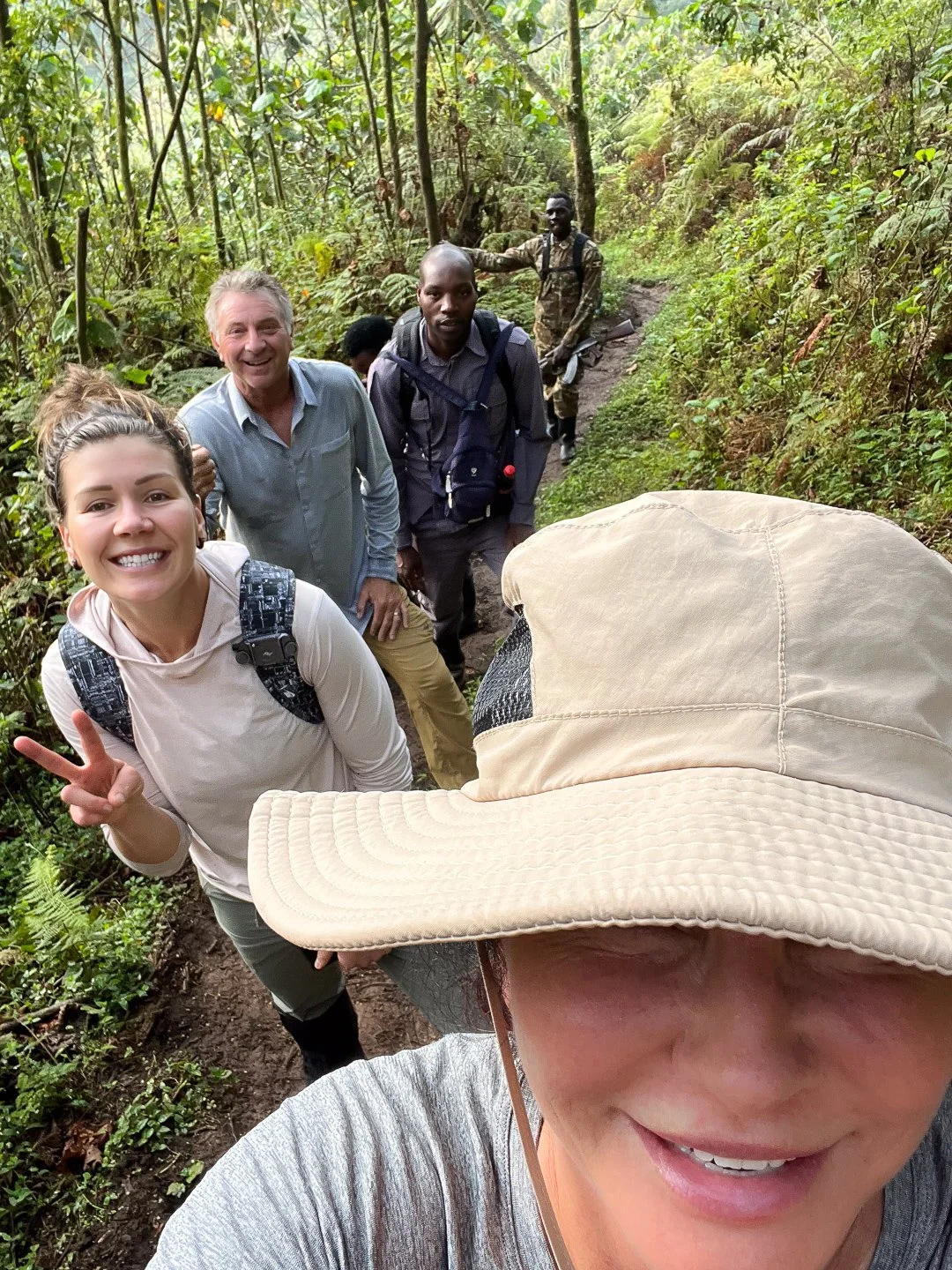
One of the most common misunderstandings is that the entire activity lasts four hours. In reality, the experience can occupy much of the day. The approach hike is separate from the extended time spent observing the gorillas. The four-hour period generally begins once the assigned family has been located and the ranger authorizes the encounter.
This distinction matters when preparing physically and packing food and water. If locating the gorillas takes two or three hours, the group still needs time for the observation period and the hike back. Forest conditions, the family's movement and each participant's pace influence the day. No ethical operator should promise an exact sighting or finish time because the gorillas are wild animals in a natural habitat.
The longer observation window can reveal behavior that a shorter visit may not capture: feeding, resting, grooming, play, movement and interactions between family members. It can be especially rewarding for wildlife photographers and travelers interested in primate behavior. However, flash photography is not permitted, and the ranger determines safe positioning and conduct at all times.
Where Should You Stay Before the Gorilla Habituation Trek?
Stay close to the meeting point specified for your permit arrangements. Bwindi is a large, mountainous park with several sectors, and roads between them can take hours. A lodge described as “near Bwindi” may still be too far from the correct briefing location for a comfortable early start.
Gorilla habituation has historically operated in the southern part of Bwindi, but family availability and operating locations may change. Travelers should not book a lodge based only on an old article or map. Ngeye Tours & Travel matches the confirmed activity location with suitable accommodation and calculates a realistic morning transfer.
Arrive at the lodge the day before, ideally with enough time to rest, organize equipment and discuss the next morning with your guide. Scheduling a long road journey to Bwindi on the same morning as the activity creates an unnecessary risk of missing the briefing and losing a valuable permit.
How Should You Prepare on the Morning of the Trek?
A rushed start can make a demanding forest day harder than it needs to be. Prepare most items the evening before and use this checklist in the morning:
- Eat a substantial breakfast that provides energy without feeling overly heavy.
- Carry sufficient drinking water and a packed lunch supplied or approved by your lodge.
- Wear waterproof hiking boots with dependable ankle support and grip.
- Choose long trousers and long sleeves for protection from vegetation and insects.
- Pack a lightweight waterproof jacket because rain can occur in any season.
- Bring gardening-style gloves for support when moving through thick or slippery sections.
- Protect cameras and electronics with a waterproof cover and carry spare batteries.
- Keep your passport or required identification ready according to the instructions received.
- Avoid flash photography and silence unnecessary sounds on phones and cameras.
- Consider hiring a porter to carry your daypack and assist on challenging ground.
For more preparation advice, read our complete Uganda gorilla trekking guide and our explanation of how difficult gorilla trekking can be. Travelers with medical conditions, mobility concerns or limited hiking experience should speak to the safari planner before booking—not on the morning of the trek.
Gorilla Habituation Versus Regular Gorilla Trekking
Both experiences offer extraordinary access to Uganda's mountain gorillas, but they are designed differently. Regular gorilla trekking usually provides up to one hour with a fully habituated family after it is located. The Gorilla Habituation Experience provides up to four hours with a family still undergoing the carefully managed habituation process.
| Feature | Gorilla habituation | Regular gorilla trekking |
|---|---|---|
| Observation time | Up to four hours after the family is located | Up to one hour after the family is located |
| Typical start | Earlier reporting, commonly around 7:00–7:30 a.m. | Early-morning briefing according to sector instructions |
| Gorilla family | Family undergoing habituation | Fully habituated tourism family |
| Experience style | Extended observation with conservation and research context | Shorter encounter suited to a wider range of itineraries |
| Planning | Very limited permits; full-day flexibility recommended | Limited permits; advance booking still essential |
Permit fees and conditions are subject to change. Consult the applicable UWA conservation tariff and confirm the rate valid on your actual travel date. A reputable operator should explain exactly what is included before payment.
Can Gorilla Habituation Be Combined With Other Uganda Safari Experiences?
Yes. Many travelers combine Bwindi with chimpanzee tracking in Kibale Forest and wildlife viewing in Queen Elizabeth National Park. This creates a balanced Uganda primate and wildlife safari featuring rainforest hikes, savannah game drives, boat trips and community experiences.
Allow recovery time after the habituation day rather than placing another physically demanding activity immediately afterward. A scenic drive, lodge rest or relaxed community visit can help maintain a comfortable pace. Browse our guide to combining chimpanzee tracking and gorilla trekking for itinerary inspiration.
Why Plan Gorilla Habituation With Ngeye Tours & Travel?
The answer to “How early does the gorilla habituation trek start?” depends on more than an alarm clock. Your permit location, lodge, road conditions, breakfast time and guide coordination must all work together. Ngeye Tours & Travel designs Uganda gorilla safaris around these practical details.
Our local team helps secure the appropriate permit, matches accommodation to the confirmed meeting point, provides a destination-specific packing list and schedules an on-time transfer. We also explain what to expect physically and help combine habituation with wildlife, chimpanzee and cultural experiences at a sensible pace.
Frequently Asked Questions
What time does gorilla habituation begin in Uganda?
Travelers are commonly asked to report for registration and briefing at approximately 7:00–7:30 a.m. The exact time and meeting point may vary, so follow the instructions confirmed for your permit.
Should I stay near the park the night before?
Yes. Stay close to the correct briefing location and arrive at the lodge the previous day. Bwindi's sectors are far apart, and transferring from the wrong area can cause a missed briefing.
Does the Gorilla Habituation Experience last only four hours?
No. The four hours generally refer to the extended observation period after the gorilla family is located. The search and return hikes are additional, so you should keep the entire day available.
Is gorilla habituation more difficult than regular trekking?
It can be more demanding because of the early start and potentially longer day in the forest. Difficulty varies with the gorillas' location, terrain, weather and personal fitness.
Can beginners join the Gorilla Habituation Experience?
Many reasonably fit first-time trekkers can participate with preparation and ranger guidance. Discuss health or mobility concerns in advance, train with regular walks and consider hiring a porter.
Can I use flash when photographing the gorillas?
No. Flash photography can disturb the gorillas and is not permitted. Disable the flash before approaching the family and follow all ranger instructions.
Where does gorilla habituation take place in Uganda?
The specialized experience takes place in Bwindi Impenetrable National Park. Operating sectors and participating families may change, so confirm the current location before booking accommodation.