Uganda Chimpanzee Trekking Guide
How Fit Should I Be for Chimp Trekking?
You do not need to be an athlete for chimp trekking in Uganda, but you should be comfortable walking for several hours over natural forest ground. A moderate level of fitness is normally sufficient: if you can walk five to eight kilometres at a steady pace, manage gentle hills and remain on your feet for two or three hours, you are likely to be reasonably prepared. The actual trek may be shorter or longer depending on the chimpanzees' location, weather and trail conditions.
Are You Fit Enough for Chimp Trekking? A Simple Self-Check
You are likely to have an appropriate starting level if you can answer “yes” to most of the following questions:
- Can you walk continuously for 60–90 minutes without unusual exhaustion?
- Can you manage uneven ground, steps and gentle hills at a controlled pace?
- Can you remain standing while observing wildlife?
- Can you carry a light daypack containing water, rainwear and a camera?
- Can you recover comfortably after a moderately active morning?
Answering “no” does not automatically mean you cannot participate. It means you should discuss the concern with a healthcare professional and your safari planner, begin suitable preparation, and avoid an itinerary that places several demanding activities back-to-back. Fitness is only one factor; balance, footwear, hydration, health and the ability to follow ranger instructions are equally important.
This guide offers general travel information and is not a medical assessment. Anyone with heart, respiratory, joint, balance or mobility conditions should seek individualized medical advice before booking.
What Does Chimp Trekking Physically Involve?
A typical chimpanzee trekking experience in Uganda begins with registration and a briefing from the ranger team. Participants learn about forest conduct, safety, health precautions and the behavior of the chimpanzees. The group then follows forest paths while guides listen for calls, inspect signs and communicate with trackers.
The experience is different from a paved nature walk. Even on established trails, exposed roots, leaf litter, streams, mud and fallen branches may require careful footing. Once chimpanzees are located, they may rest in the canopy, feed near the ground or travel through the forest. A moving community can require the group to change direction and walk briskly for short periods.
Trek length is unpredictable because chimpanzees are wild and move freely. Some groups are found quickly; on another day, the search may take considerably longer. Heat, humidity and rain can make a moderate route feel more demanding. Your goal should not be speed. Walk at a safe pace, stay with the group and inform the ranger immediately if you feel unwell.
Compared with mountain gorilla trekking, chimp tracking often takes place at lower elevations and may involve less steep terrain, but chimpanzees are generally more mobile. The challenge may come from keeping pace and changing direction rather than climbing continuously.
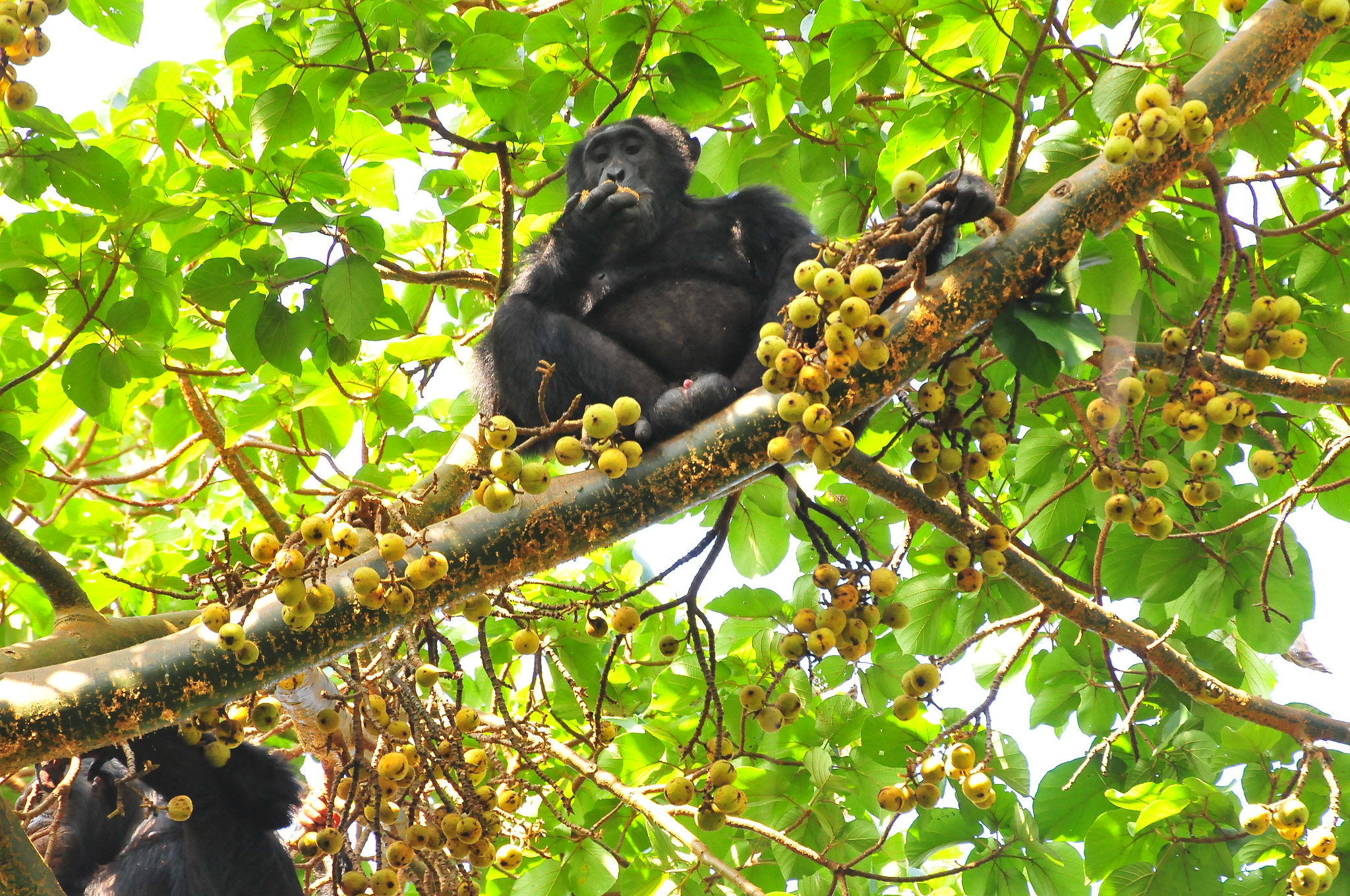
How Fit Should I Be for Chimp Trekking in Kibale National Park?
Kibale National Park is Uganda's best-known chimpanzee destination and an important center of primate tourism. For the standard tracking experience, moderate fitness is usually enough. Many visitors of different ages complete the trek successfully, but “moderate” should not be confused with effortless.
Kibale includes relatively accessible forest paths as well as muddy, root-covered and uneven sections. The terrain encountered depends on where the chimpanzees are that day. Participants may need to step over vegetation, walk around obstacles and remain standing while looking upward into the canopy. Rain can quickly change firm soil into slippery ground.
The Uganda Wildlife Authority notes that Kibale supports chimpanzee tracking and the longer Chimpanzee Habituation Experience. Travelers should distinguish the two when considering fitness. Standard tracking is normally the more manageable option for someone concerned about stamina, while habituation can involve a much longer time in the forest. See the official UWA guide to Kibale National Park for current park information.
Kibale also fits beautifully into a wider Uganda safari. The surrounding landscape offers community tourism, crater-lake scenery and excellent birding. Building a varied itinerary allows active forest time to be balanced with gentler cultural and wildlife experiences.
Is Chimp Trekking in Budongo Forest Physically Demanding?
Budongo Forest can provide an alternative chimpanzee experience in northwestern Uganda and may be combined with a Murchison Falls safari. Some areas have a less mountainous character than parts of southwestern Uganda, but no forest trek should be advertised as guaranteed easy. Rain, fallen vegetation, distance and chimpanzee movement can change the difficulty on any day.
Basic-to-moderate fitness may be sufficient for many visitors, particularly those accustomed to regular walking. Nevertheless, the same preparation principles apply: supportive footwear, water, weather protection, honest health disclosure and the ability to follow guides through natural terrain.
Budongo is a forest reserve with conservation and tourism arrangements that differ from Kibale National Park. Availability, access points, operating schedules and permit procedures should be confirmed for the intended travel date before flights or accommodation are finalized. Ngeye Tours & Travel can check the current options and advise whether Kibale, Budongo or another authorized location best suits the itinerary and fitness level.
Which Chimpanzee Experience Matches Your Fitness Level?
| Traveler profile | Planning approach | Important consideration |
|---|---|---|
| Regular walker with moderate fitness | Standard chimpanzee tracking is generally suitable. | Train on uneven ground and bring suitable rain protection. |
| Active hiker or wildlife photographer | Consider standard tracking or habituation. | Habituation requires more stamina and a longer forest day. |
| Older traveler with good mobility | Choose a well-paced itinerary with recovery time. | Discuss the destination, morning schedule and current conditions. |
| Traveler with joint or balance concerns | Seek medical advice and request an individual planning discussion. | Conditions cannot be guaranteed; walking poles may help where permitted. |
| Traveler with very limited walking ability | Consider alternative wildlife and primate-related experiences. | Forest trekking may not be appropriate or safely accessible. |
A Simple Four-Week Chimp Trekking Fitness Plan
You do not need intensive athletic training. Consistency is more useful than one exhausting workout. Adjust the plan to your health and current ability.
Week 1: Build a Walking Habit
Walk for 25–35 minutes on four days. Choose a comfortable pace and include gentle slopes where possible. Focus on posture, breathing and comfortable footwear.
Week 2: Increase Time and Terrain
Complete three 40-minute walks and one 60-minute walk. Add park paths, grass or mild inclines to improve balance and ankle stability. Practice carrying a lightly loaded daypack.
Week 3: Add Strength and Endurance
Walk for 45–60 minutes on four days. Add simple strength exercises such as supported squats, step-ups and calf raises if medically appropriate. One longer walk of 75–90 minutes helps build confidence.
Week 4: Rehearse the Trek
Complete one two-hour walk over mixed ground while wearing the boots, trousers and daypack intended for Uganda. Keep other sessions lighter, hydrate well and allow recovery before travel.
If pain, dizziness, unusual shortness of breath or chest discomfort occurs, stop and obtain medical advice. Training should improve readiness, not create an injury before the safari.
What Should You Wear and Carry for Chimp Trekking?
- Closed hiking shoes or boots: choose good grip and wear them before the trip.
- Long trousers and long sleeves: these help protect against vegetation and insects.
- Lightweight rain jacket: tropical rain can occur even during generally drier months.
- Drinking water: carry enough for the expected activity and conditions.
- Small daypack: keep hands free for balance.
- Insect repellent and sunscreen: use suitable products as directed.
- Camera without flash: disable flash before approaching the chimpanzees.
- Personal medication: keep essential medicine accessible and protected from rain.
- Walking pole: ask whether one is available or appropriate for the planned location.
Avoid brand-new footwear on the trekking day. Blisters and poor grip can turn a manageable walk into an uncomfortable one. Pack essential trekking clothing in hand luggage in case checked baggage is delayed.
Can Older Travelers or People With Mobility Concerns Go Chimp Trekking?
Age alone does not determine suitability. An active older traveler may be more comfortable than a younger person who rarely walks. The more useful questions concern stamina, balance, joint health, recovery time and ability to move safely over uneven ground.
Share relevant information early. A good safari planner can avoid overly tight schedules, place a rest period after trekking, recommend accommodation with fewer steps and discuss which authorized chimpanzee destination may be most appropriate. Rangers make operational decisions in the forest, and no operator can guarantee a short or easy route.
If trekking is not suitable, a Uganda wildlife safari can still include rewarding nature experiences, boat trips, game drives, birding and community activities. Honest planning is better than placing a traveler under pressure to complete an activity that does not match their needs.
When Is the Best Time for Easier Chimp Trekking Conditions?
Uganda's generally drier periods—often June to September and December to February—may bring firmer trails, but rainforest weather is never guaranteed. Wetter months can mean more mud and slippery roots, although food availability and chimpanzee movements may also influence how far groups travel.
The “best” month depends on more than fitness. Permit availability, birding interests, photography goals, lodge choice and the rest of the safari all matter. With correct footwear and realistic expectations, chimp trekking can be rewarding throughout the year.
Bird lovers can combine the forest walk with Uganda birding tours, while primate enthusiasts can add gorilla trekking and chimpanzee tracking to one itinerary. Allow recovery time between strenuous activities.
Why Plan Your Chimpanzee Safari With Ngeye Tours & Travel?
Ngeye Tours & Travel designs Uganda primate safaris around the traveler—not only the destination. Our local team considers walking ability, age, health information voluntarily shared, preferred pace, season, accommodation and the other activities in the itinerary.
We coordinate permits, transport, lodges and pre-departure guidance while setting honest expectations about natural forest conditions. We cannot promise where wild chimpanzees will be or how long a search will take, but careful preparation can make the experience safer, calmer and more rewarding.
Frequently Asked Questions
How fit should I be for chimp trekking in Uganda?
Moderate fitness is generally sufficient. You should be comfortable walking for several hours on uneven natural paths and managing occasional slopes, mud and short faster sections.
How long does chimpanzee trekking take?
The duration varies because chimpanzees move freely. Some groups are located quickly, while other searches take several hours. Keep the scheduled part of the day flexible.
Is chimp trekking easier than gorilla trekking?
It is often less steep and may be shorter, but chimpanzees move quickly and can require participants to change direction or increase their pace. Difficulty depends on the day and destination.
Can beginners go chimp trekking?
Yes. Many first-time trekkers participate successfully with regular walking preparation, suitable footwear, hydration and realistic expectations.
Can seniors participate in chimp trekking?
Many active seniors can participate. Suitability depends more on health, balance, stamina and mobility than age alone. Discuss concerns before booking and seek medical advice when appropriate.
What happens if I cannot keep up?
Tell the ranger immediately rather than pushing beyond a safe limit. The group and guide will assess the situation, but wildlife sightings and an easy route cannot be guaranteed.
Do I need hiking boots for Kibale?
Closed hiking shoes or boots with good grip are strongly recommended. Trails can be muddy, root-covered and slippery even when the wider season is considered dry.
Is the Chimpanzee Habituation Experience harder?
It can be more demanding because it involves a longer time in the forest. Travelers should have stronger endurance and keep the whole day flexible.