How Many Days Are Ideal for Samburu National Reserve?
How many days are ideal for Samburu National Reserve? Three days and two nights are suitable for most first-time visitors. This duration usually provides time for afternoon and morning game drives, wildlife observation along the Ewaso Ng’iro River, birdwatching and periods of relaxation at the lodge.
Travelers with a strong interest in photography, birding or community experiences should consider four days and three nights. The additional time provides more game-drive opportunities under different lighting conditions and reduces the pressure to find every animal within a limited schedule.
Located in northern Kenya, Samburu National Reserve presents a striking contrast to the greener landscapes of southern Kenya. Its semi-arid plains, rugged hills, doum palms and riverine vegetation support wildlife adapted to the region’s dry environment. The reserve is particularly associated with the Samburu Special Five: Grevy’s zebra, reticulated giraffe, gerenuk, Beisa oryx and Somali ostrich.
Samburu can be visited independently or combined with other Kenya national parks and reserves. A professionally structured itinerary helps travelers balance transfer time, game drives, birdwatching, rest and optional cultural activities.
Quick answer: Three days and two nights are ideal for a classic Samburu safari. Four days and three nights are recommended for photographers, birdwatchers, families seeking a slower pace and travelers including a carefully arranged community experience.
Is Three Days Enough for Samburu?
Three days are generally enough to experience the reserve’s principal habitats without making the safari unnecessarily long. However, a three-day safari often includes arrival and departure travel, meaning visitors may have only one complete day inside the reserve.
A typical three-day itinerary includes an afternoon game drive after arrival, morning and afternoon game drives on the second day and a final morning activity before departure. This structure offers several wildlife-viewing periods while leaving time to rest during the hottest part of the day.
Morning and evening game drives are valuable because animal activity changes with temperature, light and natural movement. One drive may produce elephant sightings along the river, while another may reveal giraffes, zebras, antelopes or predators in a different area.
Wildlife sightings cannot be guaranteed, regardless of the number of days. Spending two nights simply provides several opportunities to explore the reserve under changing conditions.
How Many Nights Should I Spend in Samburu?
| Length of Stay | What It Allows | Best Suited To |
|---|---|---|
| One night | A short introduction with limited game-drive time | Travelers with a very restricted schedule |
| Two nights | Several game drives and one complete safari day | Most first-time visitors |
| Three nights | Slower game drives, birding, photography and optional cultural activity | Photographers, birdwatchers and families |
| Four or more nights | In-depth exploration and visits to the wider Samburu ecosystem | Repeat visitors and specialist travelers |
Travelers should distinguish between calendar days and actual time inside the reserve. A three-day road itinerary from Nairobi may involve substantial travel on the first and final days. Flying can increase the amount of time available for wildlife viewing, although schedules, luggage restrictions and costs must be considered.
What Can I Experience During a Three-Day Samburu Safari?
Day One: Travel to Samburu and Afternoon Game Drive
The journey begins with a road transfer or scheduled flight toward the Samburu ecosystem. Road travelers pass through changing agricultural and highland scenery before reaching the drier landscapes of northern Kenya.
After arrival, check-in and lunch, the itinerary may include an afternoon game drive when time and entrance arrangements permit. This first exploration introduces the reserve’s open plains, riverine habitats and distinctive northern wildlife.
The day ends at the selected lodge or camp, where travelers can rest and prepare for an early start. Actual arrival time depends on the point of departure, traffic, road conditions and the location of the accommodation.
Day Two: Morning and Afternoon Game Drives
The second day provides the most complete safari experience. An early game drive offers opportunities to observe wildlife during cooler conditions and enjoy softer light for photography.
After returning for breakfast or brunch, travelers can rest, review photographs or watch birds around the accommodation. This pause is useful because northern Kenya can become hot during the middle of the day.
An afternoon game drive explores another part of the reserve and may continue toward sunset where permitted. Guides select routes according to wildlife reports, river conditions and recent animal movements.
Day Three: Final Safari Activity and Departure
A final morning drive provides one more opportunity to observe wildlife before breakfast and departure. Travelers then continue to Nairobi, another reserve or a scheduled airstrip transfer.
When driving onward, realistic transfer time should be included. Scheduling a long road journey immediately after an extended morning activity may create unnecessary pressure.
Why Are Four Days Better for Photography?
Four days and three nights provide greater flexibility for wildlife and landscape photography. Samburu’s scenery changes significantly between the warm light of early morning, the intense brightness of midday and the softer tones before sunset.
An additional day allows photographers to wait patiently instead of leaving a promising sighting because the itinerary is rushed. It also creates opportunities to revisit locations where particular animals or birds were previously observed.
Dust, heat haze and changing light can influence image quality. More time increases the chances of photographing wildlife under different conditions, but it does not guarantee a particular animal, behavior or composition.
Travelers interested in a longer photographic journey can review the 12-Day Kenya Photography Expedition.
What Are the Samburu Special Five?
The Samburu Special Five are species strongly associated with the dry northern landscapes of Kenya. Searching for them adds a distinctive objective to a Samburu safari, although sightings remain subject to natural animal movements.
| Samburu Special Five Species | Distinctive Characteristic |
|---|---|
| Grevy’s zebra | Narrow stripes, large rounded ears and a white belly |
| Reticulated giraffe | Geometric chestnut patches separated by bright white lines |
| Gerenuk | Long neck and ability to stand upright while browsing |
| Beisa oryx | Long straight horns and bold facial markings |
| Somali ostrich | A northern East African ostrich with distinctive blue-grey skin |
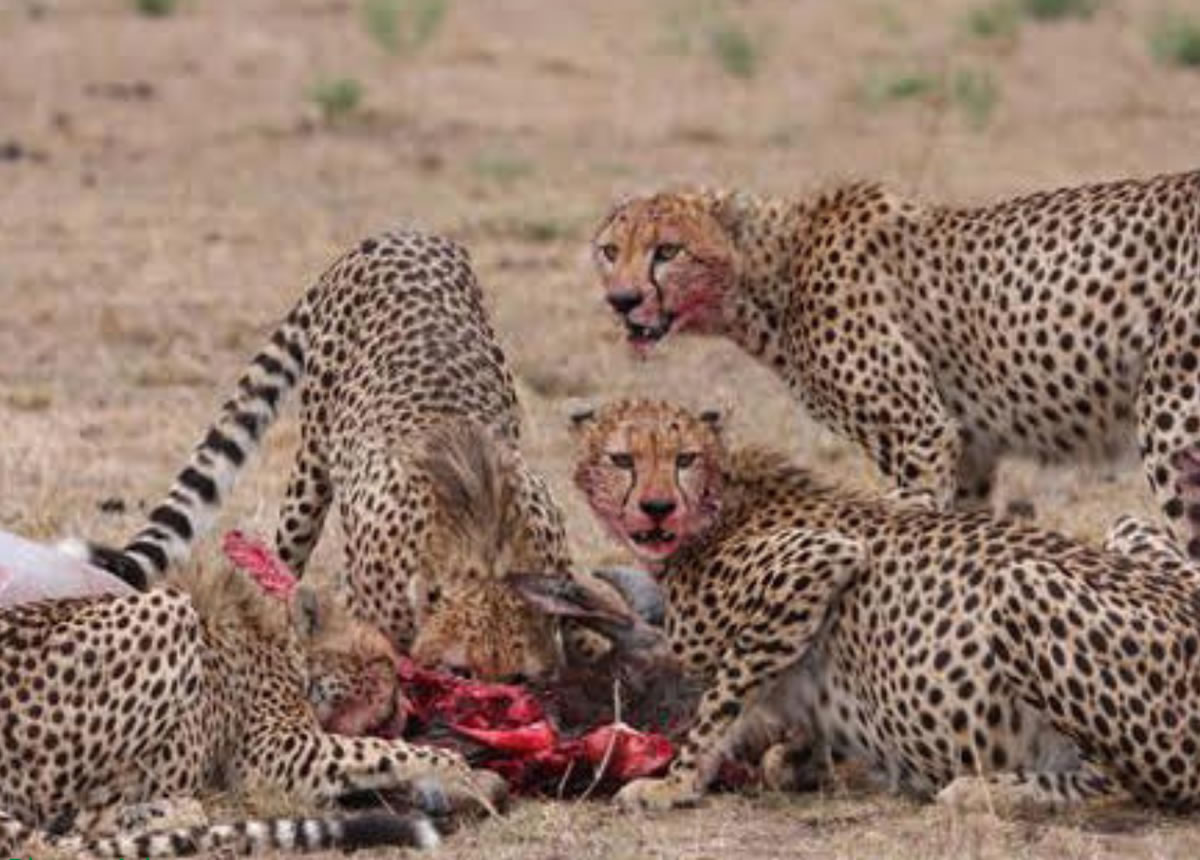
Samburu also supports elephants, lions, leopards, cheetahs, buffaloes, dik-diks, impalas, baboons and numerous other species. The Ewaso Ng’iro River and its riverine vegetation are particularly important within the dry ecosystem.
How Many Days Are Recommended for Birdwatching?
Birdwatchers should consider spending at least three nights in the Samburu region. The additional time allows slower exploration of riverine woodland, open scrub, rocky areas and lodge grounds.
Species that may attract attention include vulturine guineafowl, Somali ostrich, martial eagle, secretarybird and numerous hornbills, bee-eaters, weavers and raptors. The exact birds present depend on season, habitat and natural movement.
Birding requires a slower pace than a general wildlife drive. Guides may stop frequently to listen for calls, study distant features and photograph birds without disturbing them.
Travelers planning a specialist safari can explore our guide to Kenya Birding Safaris.
Should I Add a Samburu Cultural Experience?
A carefully arranged community experience can add important cultural context to a wildlife safari. It may introduce travelers to aspects of Samburu heritage, pastoral life, beadwork, music and the challenges of living within a dry northern environment.
Cultural encounters should be respectful, community-led and transparent about participation and payment. Visitors should request permission before photographing people, homes, ceremonies or personal belongings.
Travelers interested in a meaningful community experience should consider a three-night stay. This prevents the cultural visit from replacing essential safari time or being reduced to a hurried performance between game drives.
No community is a tourist attraction. Responsible itineraries create opportunities for genuine exchange while respecting personal dignity, privacy and local decision-making.
Is One Night in Samburu Enough?
One night is possible but rarely ideal. Road travelers may arrive after a long journey, complete only one afternoon activity and depart the following morning. This leaves limited time to understand the reserve or respond when wildlife movements change.
A one-night stay may work for travelers flying into the region and connecting with a longer northern Kenya itinerary. Even then, the experience can feel brief, particularly when weather or flight schedules reduce the available time.
Two nights offer much better value because they provide one complete safari day in addition to the arrival and departure activities.
When Is the Best Time to Visit Samburu?
Samburu can be visited throughout the year. Generally dry periods are often favored for wildlife viewing because vegetation may be less dense and animals frequently use dependable water sources. However, wildlife behavior remains unpredictable and sightings are never guaranteed.
Weather patterns in northern Kenya can vary. Rain may transform the landscape, stimulate vegetation growth and create attractive photographic conditions. It can also affect roads and transfer times.
Rather than relying on rigid seasonal promises, travelers should consider their priorities. Photographers may appreciate dramatic skies and green scenery, while first-time visitors may prefer periods traditionally associated with drier conditions.
Accommodation availability and prices may also change with demand, so popular travel dates should be reserved early.
How Do I Reach Samburu National Reserve?
Samburu can be reached by road or scheduled light-aircraft service. A road journey from Nairobi commonly requires much of the day, depending on traffic, road conditions, stops and the location of the selected lodge or camp.
Flying reduces transfer time and can be convenient for travelers with a limited schedule. Flight times, luggage allowances, airstrip transfers and possible schedule changes should be reviewed before booking.
The transport method influences the ideal length of stay. Road travelers generally benefit from at least two nights, while three nights create an even more relaxed journey. Flying may allow a short itinerary to include more safari time.
Can Samburu Be Combined with Other Kenyan Destinations?
Samburu combines well with Ol Pejeta, the Laikipia region, Lake Nakuru and the Maasai Mara. The best route depends on available time, transport method and the type of wildlife experience the traveler wants.
A longer itinerary can contrast Samburu’s semi-arid northern environment with the grasslands of the Maasai Mara and the lake ecosystem of Lake Nakuru. Travelers can explore the 14-Day Kenya National Parks Safari for inspiration when planning a broader journey.
The 13-Day Kenya Diverse Ecosystems Safari is another option for travelers seeking variety across several landscapes.
What Should I Pack for Samburu?
Lightweight, breathable clothing in neutral colors is suitable for game drives. A warm layer is useful during early mornings, while a hat, sunglasses and sunscreen provide protection during the hotter parts of the day.
Travelers should carry binoculars, a camera with a zoom lens, personal medication, insect repellent and a reusable water bottle. Electronics need protection from dust, particularly during dry conditions and open-vehicle game drives.
Comfortable closed footwear is useful around lodges and during authorized ground activities. Cultural visits should be approached with modest clothing and respectful photography practices.
Why Plan Your Samburu Safari with Ngeye Uganda Tours?
Ngeye Uganda Tours creates personalized East African safari itineraries based on travel dates, interests, preferred accommodation and available time. We help visitors determine whether two, three or more nights are appropriate for their Samburu experience.
Our planning considers transport time, lodge location, game-drive schedules, birdwatching, photography and optional community activities. We can also connect Samburu with other destinations without creating an unnecessarily rushed itinerary.
Travelers can explore our complete collection of East African safari packages or learn more about Ngeye Uganda Tours before requesting a customized proposal.
Plan Your Samburu Safari
Let our safari specialists recommend the ideal number of days and create a personalized itinerary based on your interests, travel dates and preferred comfort level.
Frequently Asked Questions About Samburu Safari Duration
How many days are ideal for Samburu?
Three days and two nights are ideal for most first-time visitors. This normally provides several game drives and one complete day in the reserve.
Are two nights enough in Samburu?
Yes. Two nights provide a good introduction to Samburu, especially when the itinerary includes an arrival game drive, a complete safari day and a final morning activity.
Is one night in Samburu worth it?
One night is possible but can feel rushed, particularly for travelers arriving by road. Two nights generally provide better value and more wildlife-viewing time.
How many days do photographers need in Samburu?
Photographers should consider four days and three nights. The additional time provides different lighting conditions and more opportunities to observe natural behavior.
How long should birdwatchers stay?
Birdwatchers should consider at least three nights to explore several habitats at a suitably slow pace.
Can I combine Samburu with the Maasai Mara?
Yes. Samburu and the Maasai Mara create a contrasting safari, combining northern Kenya’s dry landscapes and specialized wildlife with the Mara’s open grasslands.
What are the Samburu Special Five?
The Samburu Special Five are Grevy’s zebra, reticulated giraffe, gerenuk, Beisa oryx and Somali ostrich.