Mzima Springs: A Hidden Gem in Tsavo West for Exceptional Wildlife Viewing
Mzima Springs is one of the most enchanting attractions in Tsavo West National Park, where remarkably clear water, luxuriant vegetation, aquatic wildlife, and volcanic geology meet in a peaceful corner of the Kenyan wilderness. For travelers exploring the destinations featured in our guide to Kenya’s national parks, the springs provide a welcome contrast to the dry plains, rugged hills, and dark lava formations found elsewhere in Tsavo West.
The water reaching Mzima Springs begins as rainfall over the neighboring Chyulu Hills. It filters underground through porous volcanic rock before emerging within Tsavo West, creating permanent pools and streams surrounded by palms, fever trees, raffia, figs, and dense riverine vegetation. This dependable water source supports fish, birds, monkeys, hippos, crocodiles, and numerous other animals, although individual wildlife sightings always depend on natural movements and current conditions.
A visit to Mzima Springs is different from a conventional game drive. Travelers can leave the safari vehicle in an authorized area and explore designated paths under appropriate guidance. The experience introduces a quieter way of observing nature: listening to birds in the canopy, looking for movement beneath the water, and learning how underground hydrology sustains life within a generally semi-arid ecosystem.
This complete guide from Ngeye Uganda Tours explains what makes Mzima Springs special, what visitors may see, the best time to travel, how to prepare, where to stay, and how the attraction can be incorporated into a professionally planned Tsavo safari.
Quick answer: Mzima Springs is a series of clear freshwater pools inside Tsavo West National Park. Its water originates as rainfall in the Chyulu Hills and travels underground through volcanic rock before emerging at the springs. Visitors come for the beautiful scenery, guided nature experience, birdlife, fish, and possible sightings of hippos, crocodiles, monkeys, and other wildlife.
Where Is Mzima Springs Located?
Mzima Springs is situated inside Tsavo West National Park in southeastern Kenya. The park forms part of the immense Tsavo ecosystem and is known for its volcanic landscapes, wooded valleys, wildlife habitats, natural springs, rocky viewpoints, and conservation areas.
Tsavo West can be reached from Nairobi, Mombasa, Amboseli, Tsavo East, and other destinations on Kenya’s southern safari circuit. Actual travel times depend on the starting point, chosen park gate, road conditions, weather, traffic, and accommodation location.
The springs are reached by road from different areas of Tsavo West. Because the park is large and many attractions are spread across a considerable distance, Mzima Springs should be incorporated into the daily game-drive route carefully. Staying in an appropriately located lodge or camp can reduce unnecessary driving and create more time for wildlife observation.
Travelers can combine Mzima Springs with Shetani Lava Flow, Chaimu Crater, Roaring Rocks, Poacher’s Lookout, Ngulia Hills, Lake Jipe, and wildlife-viewing circuits. These combinations make Tsavo West one of Kenya’s most varied safari destinations.
How Was Mzima Springs Formed?
The story of Mzima Springs begins in the Chyulu Hills, a volcanic mountain range located northwest of Tsavo West. Rain falling across the hills penetrates their porous volcanic rock instead of immediately flowing away in surface rivers.
The water then travels underground through the volcanic landscape. Natural filtration helps produce the exceptional clarity for which the springs are known. After its underground journey, the water rises within Tsavo West and forms the pools and streams collectively known as Mzima Springs.
This relationship demonstrates how two landscapes that appear separate can remain ecologically connected. Rainfall in the Chyulu Hills sustains water, vegetation, wildlife, and human communities far beyond the hills themselves. The springs consequently provide more than a beautiful visitor attraction; they form part of an important regional water system.
Geographical clarification: Chyulu Hills National Park and Tsavo West National Park are separate protected areas. However, the Chyulu Hills are closely connected to Mzima Springs because rainfall filtered through their volcanic rocks supplies the underground water that emerges at Mzima.
What Makes Mzima Springs Unique?
Mzima Springs is unique because it creates a cool, green oasis within Tsavo West’s predominantly dry environment. The contrast becomes immediately noticeable when visitors move from sunlit bushland into the shaded surroundings of the springs.
The exceptional water clarity is another defining feature. In suitable conditions, visitors may see fish and aquatic vegetation beneath the surface. Reflections from overhanging trees and the movement of water create attractive photography opportunities, particularly during periods of soft natural light.
Its combination of aquatic and terrestrial ecosystems also makes the attraction ecologically interesting. Fish occupy the water, birds use the trees and wetland margins, monkeys move through the canopy, and larger animals may approach the springs or adjoining habitats.
Unlike a vehicle-based wildlife encounter, Mzima Springs may provide an opportunity to experience part of Tsavo West on foot within designated visitor areas. This slower pace helps travelers notice small ecological details that can be missed during a conventional game drive.
What Wildlife Can You See at Mzima Springs?
Hippos are among the animals most closely associated with Mzima Springs. They may spend daylight hours partially or completely submerged before leaving the water to graze, often after dark. Their location changes naturally, so visitors should treat any sighting as a privilege rather than an expectation.
Nile crocodiles also inhabit the spring ecosystem. They can be difficult to detect because their coloration and stillness allow them to blend into the banks, vegetation, and water. Visitors must remain within approved areas and follow their guide’s instructions at all times.
Fish may be visible in the clear pools, particularly when light and water conditions are favorable. Monkeys, including vervet monkeys, may be encountered in the surrounding vegetation, while antelopes and other terrestrial animals can occasionally appear in nearby habitats.
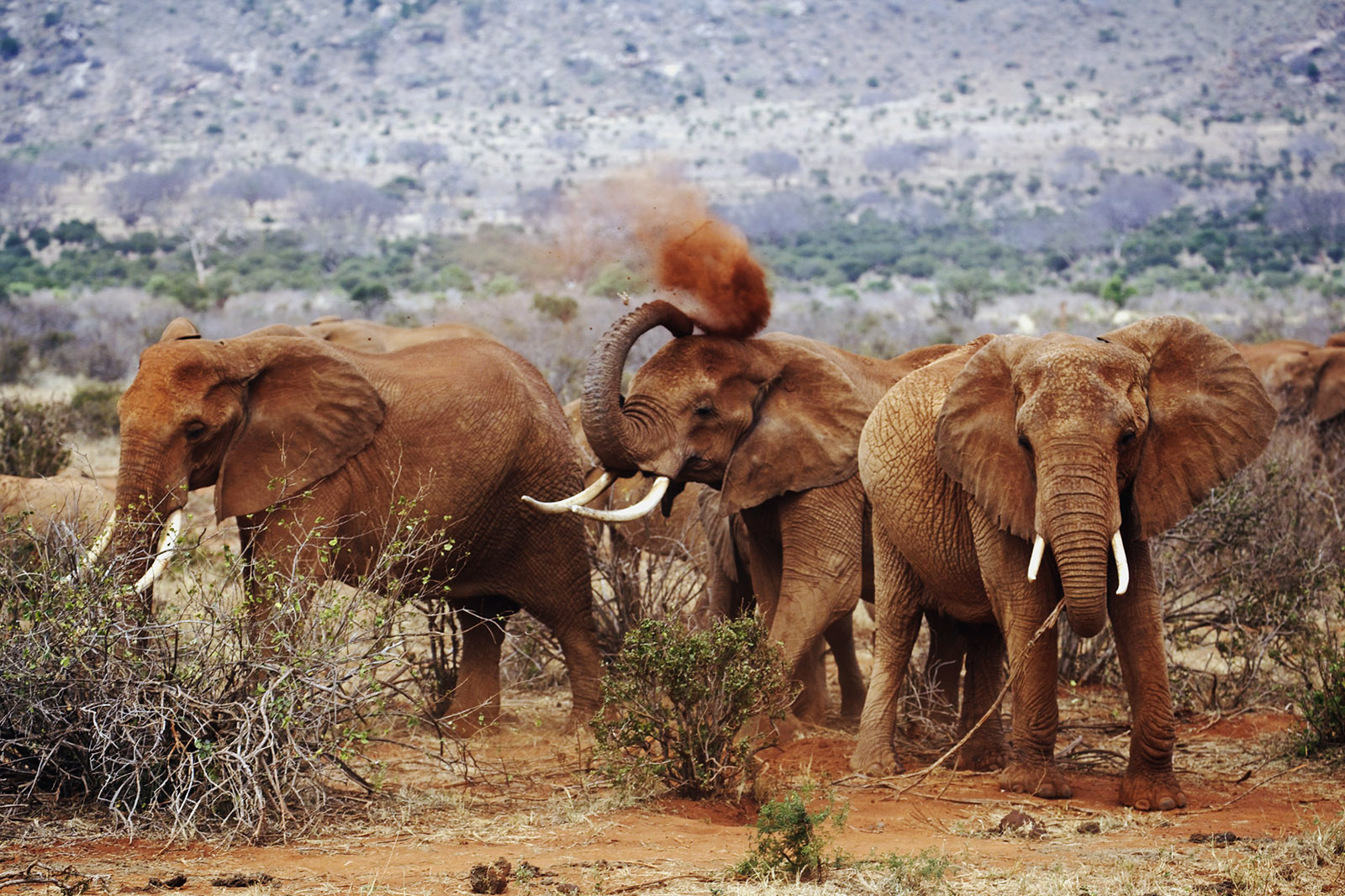
Mammals seen elsewhere in Tsavo West can include elephants, buffaloes, giraffes, zebras, warthogs, lions, leopards, cheetahs, and several antelope species. These animals are more commonly searched for during game drives rather than around the main visitor paths at Mzima Springs.
Wildlife remains unpredictable. Water levels, weather, vegetation, time of day, seasonal conditions, and natural animal movements determine what visitors encounter.
Is the Underwater Viewing Chamber Open?
Mzima Springs is widely known for an underwater viewing structure designed to provide a submerged perspective of the aquatic environment. When visibility and access conditions are suitable, visitors may be able to see fish and other underwater activity through its viewing windows.
However, the availability and quality of the experience should not be presented as guaranteed. Maintenance, water clarity, sediment, safety considerations, park management decisions, and changes in infrastructure can affect access and visibility.
Travelers should ask their guide to confirm the current condition of the chamber before visiting. Even when underwater viewing is restricted or visibility is limited, the surrounding springs, nature paths, birdlife, vegetation, and ecological interpretation can still make the visit worthwhile.
Birdwatching at Mzima Springs
The contrast between permanent water, riverine vegetation, and surrounding dry country creates varied habitats for birds. Waterbirds may occur around the pools and streams, while woodland and savannah species occupy nearby areas.
Kingfishers, herons, egrets, cormorants, raptors, weavers, starlings, hornbills, and other birds may be recorded within the broader environment. The exact species present varies with season, habitat conditions, and migration patterns.
Birdwatchers should carry binoculars and allow sufficient time to observe the water margins and forest canopy. Early mornings can be productive because temperatures are cooler and many species are more active. A private itinerary can provide greater flexibility for birdwatchers who want to stop frequently and study smaller species.
What Is a Visit to Mzima Springs Like?
A typical visit begins at an authorized parking or reception area within Tsavo West. Depending on current park procedures, visitors may receive safety guidance before following designated paths around parts of the spring environment.
The experience is normally peaceful and educational rather than physically demanding. Travelers move slowly, observe the pools and vegetation, and listen as their guide explains the origin of the water, the wildlife using the ecosystem, and the relationship between the springs and the Chyulu Hills.
Visitors should never approach the water independently or leave established routes. Hippos and crocodiles are potentially dangerous, while buffaloes, elephants, and other wildlife may also move through surrounding habitats.
The time required depends on access, group interests, wildlife activity, and whether all viewing facilities are available. Mzima Springs is commonly included within a broader game drive rather than treated as a full-day standalone excursion.
Mzima Springs Visitor Highlights
| Experience | What Makes It Interesting? | Important Consideration |
|---|---|---|
| Clear spring pools | Natural filtration through volcanic rock produces remarkably clear water. | Clarity varies with weather, sediment, and environmental conditions. |
| Aquatic wildlife | The ecosystem supports fish and may reveal hippos or crocodiles. | No particular wildlife sighting can be guaranteed. |
| Designated nature paths | They introduce visitors to vegetation, water systems, birds, and smaller wildlife. | Current access rules and ranger instructions must be respected. |
| Underwater viewing | The chamber was designed to reveal aquatic life from below the surface. | Confirm current access and visibility before relying on the experience. |
| Photography | Reflections, clear water, wildlife, and green vegetation create varied subjects. | Flash, noise, and disruptive behavior should be avoided around wildlife. |
When Is the Best Time to Visit Mzima Springs?
Mzima Springs can be visited throughout the year because its underground water supply is more dependable than seasonal surface pools. The best period depends on the traveler’s interests and the wider Tsavo West itinerary.
The generally drier months, often occurring from June to October and January to February, can provide easier road conditions and improved wildlife visibility in parts of the park. Animals may concentrate around dependable water sources, although this does not guarantee that they will appear beside the springs during a particular visit.
Greener periods can transform the surrounding landscape with richer vegetation, active birdlife, dramatic clouds, and beautiful photographic conditions. Rain may make some roads muddy or slow, but showers can also clear dust and create fresher scenery.
Seasonal patterns are becoming less predictable, and exact conditions vary annually. Travelers should therefore plan according to their broader interests rather than relying on rigid assumptions about dry and rainy seasons.
What Is the Best Time of Day to Visit?
Morning visits are often comfortable because temperatures are cooler and bird activity can be high. Softer light may also reduce glare on the water and improve landscape photography.
Late-afternoon conditions may provide warm light, but opening times, driving distances, park regulations, and the requirement to return to accommodation before dark must be considered. Midday can be warmer and brighter, although the vegetation around the springs provides more shade than many open areas of Tsavo West.
The ideal time ultimately depends on the day’s game-drive circuit, lodge location, road conditions, and current park guidance. A knowledgeable guide can coordinate the visit with other nearby attractions while avoiding unnecessary backtracking.
What Should You Pack for Mzima Springs?
Travelers should wear lightweight, breathable clothing in neutral colors and comfortable closed shoes suitable for designated paths. A hat, sunglasses, sunscreen, and reusable water bottle improve comfort in Tsavo’s warm climate.
Binoculars are valuable for observing birds and wildlife at a responsible distance. Photographers should bring a camera with both moderate telephoto capability and a wider option for capturing springs, vegetation, and landscapes.
Insect repellent may be helpful, especially near water and vegetation. Visitors should also carry prescribed medication and any personal essentials because shops and medical facilities are limited inside the park.
A light jacket can be useful during early-morning drives. Cameras and binoculars should be protected from dust while traveling on unpaved roads.
Where Can You Stay Near Mzima Springs?
Tsavo West has permanent lodges, tented camps, and safari accommodation in different price categories. The best choice depends on budget, preferred comfort, travel direction, family requirements, and the other attractions included in the itinerary.
Location deserves careful attention because Tsavo West is extensive. A property described as being inside or near the park may still require considerable driving to reach Mzima Springs. Travelers should evaluate accommodation according to practical routing rather than price or photographs alone.
Some properties offer views of waterholes, hills, volcanic landscapes, or wildlife corridors. However, animals move naturally, and sightings from a lodge cannot be guaranteed.
Ngeye Uganda Tours helps travelers select accommodation that fits the complete itinerary, rather than promoting one property as appropriate for everyone.
What Other Attractions Can Be Combined with Mzima Springs?
Shetani Lava Flow is one of the easiest thematic additions because it reveals the volcanic forces that shaped the region. Its dark, hardened rock creates a dramatic contrast with the clear water and green vegetation of Mzima Springs.
Chaimu Crater introduces another volcanic formation, although walking access depends on current safety and park regulations. Roaring Rocks and Poacher’s Lookout provide elevated perspectives over the surrounding wilderness, with distant views influenced by weather and atmospheric conditions.
Ngulia Hills and the expanded Tsavo West rhino-conservation landscape introduce travelers to the park’s conservation importance. Rhino sightings remain unpredictable and security restrictions must always be respected.
Travelers with more time can include Lake Jipe, Tsavo East National Park, Amboseli, the Chyulu Hills, or Kenya’s coast. Explore the available routes on our safari packages page or ask our team to create a customized combination.
How Many Days Do You Need in Tsavo West?
Two nights can provide an introduction to Tsavo West and may allow travelers to include Mzima Springs with selected game drives and another major attraction. The experience, however, depends on arrival time and accommodation location.
Three nights offer a more balanced visit. This duration provides greater flexibility for wildlife searches, scenic viewpoints, volcanic attractions, birdwatching, and changing weather or road conditions.
Travelers combining Tsavo West and Tsavo East should generally allocate approximately four to six nights across the two parks. This reduces rushed transfers and allows both destinations to reveal their different landscapes and wildlife experiences.
Is Mzima Springs Suitable for Children and Older Travelers?
Mzima Springs can be suitable for families and older travelers because the authorized visitor experience is generally less physically demanding than a long hike. Nevertheless, paths may include uneven ground, steps, heat, and areas requiring careful movement.
Families must supervise children closely because the springs support potentially dangerous wildlife. Visitors should never approach the water, feed animals, or leave established paths.
Travelers with limited mobility should request current information about walking distances, steps, pathway conditions, and accessibility before booking. Infrastructure and access conditions can change, so individual requirements should be discussed during itinerary planning.
Responsible Travel at Mzima Springs
Visitors should remain quiet, follow designated paths, and obey all instructions from guides and park personnel. Animals must never be fed, approached, disturbed, surrounded, or encouraged to move for photography.
Plastic waste and other litter should be removed from the area. Travelers should avoid touching plants, collecting natural materials, or using loud music near the springs.
Responsible photography means maintaining a respectful distance and avoiding flash when it might disturb wildlife. Travelers should also avoid making promises or claims online that encourage unsafe interaction with hippos, crocodiles, monkeys, or other animals.
By treating Mzima Springs as a sensitive ecosystem rather than simply a sightseeing stop, visitors help protect its atmosphere and ecological value.
Why Visit Mzima Springs with Ngeye Uganda Tours?
A successful visit to Mzima Springs requires more than transportation to the attraction. Accommodation location, park gates, road conditions, wildlife-viewing hours, visitor access, and onward travel must all be coordinated carefully.
Ngeye Uganda Tours creates personalized itineraries based on available time, interests, comfort preferences, group size, and budget. Our safari planning can combine Mzima Springs with game drives, volcanic formations, viewpoints, birdwatching, Tsavo East, Amboseli, or a coastal holiday.
Travelers benefit from an itinerary that balances exploration with realistic driving times. Rather than making unrealistic promises, we help visitors understand seasonal conditions, wildlife unpredictability, accommodation differences, and the practical requirements of traveling through the Tsavo ecosystem.
Learn more about Ngeye Uganda Tours, browse our East African safari packages, or use our contact page to request a customized Tsavo itinerary.
Plan Your Mzima Springs Safari
Combine the clear waters of Mzima Springs with Tsavo West’s volcanic landscapes, wildlife game drives, panoramic viewpoints, and carefully selected accommodation.
Frequently Asked Questions About Mzima Springs
What is Mzima Springs famous for?
Mzima Springs is famous for its clear freshwater pools, underground connection to rainfall from the Chyulu Hills, green vegetation, fish, birdlife, and possible sightings of hippos and crocodiles.
Where is Mzima Springs located?
Mzima Springs is located inside Tsavo West National Park in southeastern Kenya. It can be included in itineraries connecting Nairobi, Amboseli, Tsavo East, Mombasa, and Kenya’s coast.
Can visitors see hippos at Mzima Springs?
Hippos inhabit the Mzima Springs ecosystem, but their location and visibility change naturally. Consequently, seeing them during a particular visit cannot be guaranteed.
Are there crocodiles at Mzima Springs?
Nile crocodiles occur within the spring ecosystem. Visitors must remain in authorized areas and follow guides’ instructions because crocodiles can be difficult to detect.
Is the underwater viewing chamber always accessible?
No. Access and visibility can be affected by maintenance, water conditions, safety requirements, sediment, or park-management decisions. Current availability should be confirmed before visiting.
Can visitors walk around Mzima Springs?
Visitors may use designated paths when access is permitted. Walking should only take place in authorized areas and according to guidance from park personnel or professional guides.
How long does a visit to Mzima Springs take?
The required time depends on current access, group interests, wildlife activity, and whether all viewing facilities are available. It is usually incorporated into a broader Tsavo West game-drive itinerary.
What is the best time to visit Mzima Springs?
Mzima Springs can be visited throughout the year. Drier periods may improve road access and general wildlife visibility, while greener months provide lush scenery, active birdlife, and dramatic photography conditions.
Can Mzima Springs be combined with Tsavo East?
Yes. Combining Tsavo West and Tsavo East creates a varied safari featuring springs, volcanic landscapes, viewpoints, open plains, wildlife, and the red-soil scenery associated with the wider Tsavo ecosystem.
Are wildlife sightings guaranteed?
No. Mzima Springs is a natural ecosystem, and wildlife movements depend on weather, water, vegetation, time of day, season, and animal behavior. Ethical safari operators cannot guarantee particular sightings.