Tsavo East National Park vs Tsavo West National Park: Which Should You Visit?
Choosing between Tsavo East National Park and Tsavo West National Park can be challenging because both protect spectacular wildlife, dramatic landscapes, and an important part of Kenya’s natural heritage. Although the parks form part of the same greater Tsavo ecosystem, they offer noticeably different safari experiences.
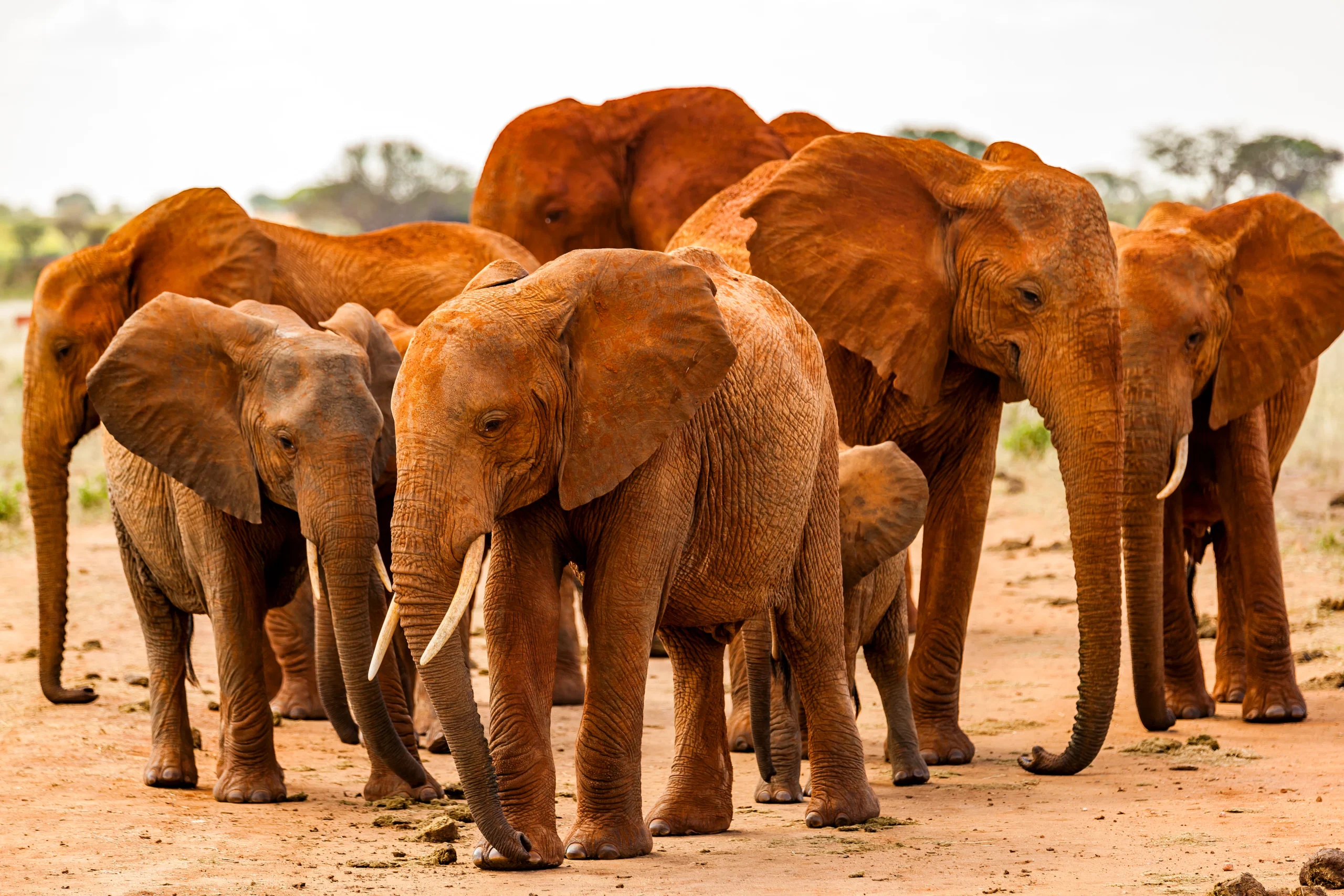
Tsavo East is generally associated with immense open spaces, sweeping horizons, red-earth landscapes, the Galana River, and elephants covered in rust-colored dust. Its more open terrain can make wildlife easier to observe across long distances, creating the classic feeling of an expansive African wilderness.
Tsavo West presents a more varied and visually dramatic environment. Its volcanic history has created lava flows, rocky hills, craters, springs, woodland, and scenic viewpoints. Attractions such as Mzima Springs and the Shetani Lava Flow add geological and sightseeing experiences to traditional wildlife viewing.
The best choice depends on what you value most. Travelers primarily interested in open landscapes, elephants, and traditional game drives may prefer Tsavo East. Visitors who appreciate varied scenery, volcanic features, springs, birdlife, and a more exploratory safari may favor Tsavo West. Travelers with sufficient time should consider combining both because the two parks complement one another exceptionally well.
This detailed comparison from Ngeye Uganda Tours examines scenery, wildlife, attractions, accessibility, accommodation, photography, seasons, and recommended trip lengths to help you select the right Tsavo safari.
Quick verdict: Choose Tsavo East for enormous open landscapes, red elephants, river scenery, and classic game viewing. Choose Tsavo West for volcanic terrain, Mzima Springs, scenic variety, and a more diverse sightseeing experience. Combine both parks if you have at least four or five days.
Tsavo East vs Tsavo West at a Glance
| Safari Feature | Tsavo East National Park | Tsavo West National Park |
|---|---|---|
| Overall character | Vast, open, wild, and strongly associated with classic game drives | Scenic, varied, volcanic, and rich in geographical attractions |
| Landscape | Semi-arid plains, red soil, river systems, rocky formations, and broad horizons | Hills, woodland, lava flows, springs, craters, and broken volcanic terrain |
| Wildlife visibility | Often easier across open terrain, although animals can be widely dispersed | Vegetation and uneven terrain may make wildlife more challenging to locate |
| Elephant experience | Famous for elephants coated in distinctive red soil | Elephants occur within woodland, hills, springs, and volcanic scenery |
| Signature attractions | Galana River, Lugard Falls, Mudanda Rock, Aruba Dam, and Yatta Plateau | Mzima Springs, Shetani Lava Flow, Chaimu Crater, Ngulia Hills, and scenic viewpoints |
| Photography | Ideal for expansive landscapes, red elephants, river scenes, and wildlife silhouettes | Ideal for dramatic terrain, springs, lava formations, hills, and environmental portraits |
| Best suited to | First-time safari travelers, elephant enthusiasts, and lovers of open wilderness | Scenery lovers, repeat safari visitors, birdwatchers, and geology enthusiasts |
| Suggested stay | Two to three nights | Two to three nights |
Where Are Tsavo East and Tsavo West Located?
Tsavo East and Tsavo West lie in southeastern Kenya between Nairobi and the Indian Ocean coast. Together, they form the heart of the greater Tsavo conservation landscape, one of Africa’s most extensive protected wilderness regions.
The two parks are divided principally by the Nairobi–Mombasa railway and highway corridor. Although they belong to the same ecosystem, separate gates, entry procedures, road networks, accommodation areas, and park fees may apply.
Their position makes Tsavo particularly suitable for travelers combining Nairobi with Mombasa, Diani, Watamu, or another coastal destination. A road safari can transform the journey between the capital and the coast into a wildlife experience instead of treating it only as a transfer.
Tsavo can also be combined with Amboseli National Park for an itinerary featuring red-soil elephants, volcanic scenery, wetlands, open plains, and possible views of Mount Kilimanjaro.
How Do the Landscapes of Tsavo East and Tsavo West Differ?
The most immediate difference between the parks is the character of their landscapes. Tsavo East feels immense and exposed. Broad plains, seasonal watercourses, red soil, scrub, riverine vegetation, and distant horizons produce a strong sense of scale.
Its open character can make wildlife visible from farther away. However, Tsavo East is enormous, so animals may be widely distributed, particularly when seasonal water is available across the landscape. Open terrain should not be confused with guaranteed sightings.
Tsavo West is greener and more topographically varied in many areas. Hills, ridges, volcanic cones, lava fields, rocky outcrops, woodland, and springs create constantly changing scenery. The park often feels more intimate because roads move through broken terrain and denser vegetation.
This visual diversity is one of Tsavo West’s greatest strengths, but it can make animals more difficult to locate. An elephant standing behind woodland or a leopard resting among rocks may remain concealed even when relatively close to the road.
Is Tsavo East Better for Wildlife Viewing?
Tsavo East is often preferred by travelers whose principal goal is traditional game viewing. Open terrain can improve visibility, and the park supports elephants, lions, buffaloes, giraffes, zebras, antelopes, hippos, crocodiles, and numerous bird species.
The elephants of Tsavo are particularly famous because dust bathing in iron-rich soil gives their naturally gray skin a reddish appearance. The coloration is temporary and does not represent a separate elephant species.
The Galana River and other water sources create important wildlife-viewing areas. During drier periods, animals may gather near dependable water, although crowding a riverbank or blocking access routes is irresponsible.
Tsavo East’s great size means that safari quality depends heavily on lodge location, gate choice, road conditions, season, guide knowledge, and the amount of time available. A rushed drive across a small section cannot represent the park’s complete wildlife potential.
Is Tsavo West Better for Scenery?
Tsavo West is generally the stronger choice for travelers who place scenic variety alongside wildlife viewing. The park’s volcanic history has created landscapes that feel dramatically different from Tsavo East’s broad plains.
Black lava flows, wooded hills, volcanic cones, natural springs, rocky viewpoints, and changing elevations give each section a distinct appearance. A game drive may pass from dry bushland into denser vegetation before reaching a spring or elevated viewpoint.
This diversity makes Tsavo West particularly attractive to landscape photographers, birdwatchers, geologists, and repeat safari visitors who want experiences beyond straightforward animal searching.
Wildlife remains an important part of the journey, but Tsavo West is best appreciated as a complete environment. Travelers who judge the park only by the number of large animals photographed may overlook its greatest strength.
What Are the Main Attractions in Tsavo East?
Galana River
The Galana River is one of Tsavo East’s defining natural features. Its banks support riverine vegetation and attract elephants, hippos, crocodiles, birds, and other wildlife. Conditions and animal concentrations change with season and water levels.
Lugard Falls
At Lugard Falls, water moves through a landscape of sculpted rock channels rather than descending as a conventional high waterfall. The geological formations and rushing water provide an interesting contrast to the surrounding dry country.
Visitors must follow current access and safety instructions. Rocks can be slippery, water can be dangerous, and leaving authorized areas is never advisable.
Mudanda Rock
Mudanda Rock is an elongated rock formation providing elevated views over the surrounding landscape and a nearby seasonal water catchment. When conditions are favorable, animals may gather below.
Wildlife presence depends on season and water availability, so the site should be appreciated for its scenery even when few animals are visible.
Aruba Dam
Aruba Dam creates a water source that can attract wildlife, especially during dry conditions. The surrounding area may provide productive game viewing and birdwatching, but animal activity is naturally variable.
Yatta Plateau
The Yatta Plateau is an immense geological feature formed by ancient lava activity. Its scale can be difficult to understand from ground level, but it contributes significantly to Tsavo East’s distinctive geography.
What Are the Main Attractions in Tsavo West?
Mzima Springs
Mzima Springs is one of Tsavo West’s best-known attractions. Clear groundwater emerging from the Chyulu Hills supports pools, vegetation, fish, hippos, crocodiles, monkeys, and diverse birdlife.
Wildlife visibility changes according to water conditions, vegetation, time of day, and animal movement. Hippos or crocodiles should never be guaranteed for a particular visit.
Shetani Lava Flow
The Shetani Lava Flow is a broad expanse of dark volcanic rock that creates one of the park’s most unusual landscapes. Its name is commonly associated with a Swahili word for devil, reflecting local reactions to the dramatic eruption and the resulting terrain.
Visitors should wear appropriate footwear where walking is authorized because lava surfaces can be sharp, unstable, and extremely hot under direct sunlight.
Chaimu Crater
Chaimu Crater adds another volcanic dimension to Tsavo West. Access and walking conditions should be confirmed locally, as heat, wildlife presence, terrain, and park regulations can affect visits.
Ngulia Hills
The Ngulia Hills form a dramatic backdrop and are associated with bird migration, scenic views, and the wider conservation landscape. The surrounding area also has historical importance for black-rhino protection.
Poacher’s Lookout and Scenic Viewpoints
Selected elevated locations offer broad views across the park and, when atmospheric conditions permit, toward distant mountain landscapes. Clear views are weather-dependent and should not be promised.
Which Park Has Better Elephant Viewing?
Both parks support elephants, and the animals move within the wider Tsavo ecosystem. Tsavo East is more strongly associated with large open landscapes and red-dusted elephant herds, making it a popular choice for travelers specifically prioritizing elephant photography.
Tsavo West offers a different visual experience. Elephants may appear against woodland, hills, lava formations, springs, and varied terrain. Sightings can feel more intimate and surprising because vegetation sometimes conceals animals until the vehicle is relatively close.
Neither park can guarantee a particular herd size, close encounter, calf, bathing event, or road crossing. Elephants are free-ranging animals whose location depends on water, food, rainfall, disturbance, and seasonal movement.
Which Park Is Better for Seeing Lions and Leopards?
Lions and leopards occur in both Tsavo East and Tsavo West. Tsavo’s lions also hold an important place in railway history because of the famous man-eaters associated with the construction of the Uganda Railway in the late nineteenth century.
Historical fame should not create unrealistic modern expectations. Lions occupy an enormous landscape and may remain concealed in vegetation or far from accessible roads.
Tsavo East’s open areas can provide easier long-distance visibility when lions use exposed terrain. Tsavo West’s rocky and wooded habitats can offer excellent predator habitat, but leopards and lions may be difficult to locate.
An experienced guide improves the search by interpreting tracks, alarm calls, recent sightings, prey behavior, and habitat. Nevertheless, no professional guide can guarantee a predator encounter.
Which Park Is Better for Rhino Viewing?
Tsavo West is more strongly associated with black-rhino conservation because of its protected sanctuary areas and long-running security efforts. However, vegetation and security restrictions can make rhinos difficult to see.
The existence of a rhino sanctuary does not guarantee a sighting. The priority of such areas is conservation and protection rather than delivering close tourist encounters.
Travelers specifically focused on rhinos may consider combining Tsavo with another Kenyan conservation destination where viewing conditions may differ. Final expectations should be discussed with a safari planner based on current conditions.
Which Park Is Better for Birdwatching?
Both Tsavo parks offer rewarding birdwatching, but their different habitats create slightly different experiences. Tsavo East supports dry-country, riverine, woodland, and open-country species, while Tsavo West’s hills, springs, volcanic terrain, woodland, and varied elevations broaden habitat diversity.
Bird enthusiasts who enjoy combining landscape exploration with species identification may favor Tsavo West. Travelers who prefer scanning open areas and river systems may particularly enjoy Tsavo East.
Season affects birding significantly. Migratory species add diversity during certain periods, while rainfall influences breeding behavior, vegetation, insects, and water availability.
Which Park Is Better for Photography?
Tsavo East excels in wide compositions. Its open horizons, red earth, river systems, and dust-covered elephants create powerful landscape and wildlife photographs. Sunrise and sunset may produce warm light, although cloud, dust, terrain, and gate schedules affect opportunities.
Tsavo West offers greater visual variety. Lava fields, forested hills, springs, rocky viewpoints, and layered landscapes create environmental photographs that go beyond traditional animal portraits.
Wildlife photographers may appreciate Tsavo East’s more open terrain, while landscape photographers may prefer Tsavo West. Serious photographers should consider combining the parks and requesting a private vehicle so that positioning and viewing time can be managed more flexibly.
Photography reminder: A vehicle should never block an animal’s route, surround wildlife, leave authorized roads without permission, or pressure an elephant, predator, or other animal to produce a photograph.
Which Tsavo Park Is Less Crowded?
Both parks can feel less congested than smaller, heavily visited safari destinations because of their enormous size. However, traffic is not distributed evenly.
Vehicles may gather around major water sources, popular attractions, lodge zones, or reported predator sightings. Visitor numbers also vary with season, holidays, gate access, and accommodation location.
Tsavo East often creates a stronger feeling of endless space because of its broad horizons. Tsavo West can feel secluded when exploring quieter scenic routes, even though vegetation limits long-distance views.
Choosing a well-located camp and allowing multiple nights helps travelers explore beyond the most accessible sections of either park.
How Do You Reach Tsavo East and Tsavo West?
Both parks can be reached by road from Nairobi, Mombasa, and Kenya’s southern coast. Actual journey times depend on traffic, road conditions, construction, weather, gate choice, and the location of the selected lodge.
Tsavo East is commonly accessed through gates serving travelers from the Nairobi–Mombasa corridor and coastal areas. Tsavo West has access routes connecting it with Nairobi, Mombasa, Amboseli, and surrounding regions.
Rail and air arrangements may also be possible when combined with road transfers. Schedules, airstrips, station transfers, baggage limits, and availability must be checked for the specific travel dates.
Avoid choosing a lodge without considering the correct gate. Entering through an inconvenient gate can add substantial driving and reduce time available for game viewing.
Where Should You Stay in Tsavo?
Both parks provide accommodation ranging from campsites and practical safari lodges to intimate tented camps and premium properties. The best option depends on budget, desired comfort, transport arrangements, and the areas included in the itinerary.
In Tsavo East, properties near rivers, dams, or established wildlife routes may offer animal viewing from camp. In Tsavo West, hillside locations, waterhole-facing lodges, and camps near volcanic or spring attractions may provide impressive scenery.
Waterhole sightings from a lodge remain natural and cannot be guaranteed. Seasonal rainfall may allow animals to disperse rather than visit one concentrated source.
Travelers should compare meal plans, park fees, game-drive arrangements, family policies, electricity, Wi-Fi, swimming pools, room configuration, and distance from gates before choosing accommodation.
When Is the Best Time to Visit Tsavo East and Tsavo West?
The Tsavo ecosystem can be visited throughout the year. Generally drier periods often make wildlife easier to locate because animals use more dependable water sources and vegetation becomes less dense.
Dry conditions can also produce dust, heat, and hazy skies. Popular lodges may receive greater demand, particularly during holiday periods.
Greener months bring fresh vegetation, active birdlife, dramatic skies, and beautiful colors. Wildlife may become more dispersed, and rainfall can affect unpaved roads or access to particular areas.
Seasonal patterns are not perfectly predictable. Travelers should plan according to their priorities rather than assuming that one period guarantees perfect weather or wildlife sightings.
How Many Days Do You Need in Tsavo?
A minimum of two nights is recommended for either Tsavo East or Tsavo West. This allows an afternoon drive after arrival, a full day of exploration, and a final morning activity before departure.
Three nights are better for photographers, birdwatchers, and travelers who want to explore beyond the main lodge area. A one-night stay can feel rushed because much of the visit may be occupied by arrival and departure.
Combining both parks works best with four to six nights. This duration provides time to appreciate the different landscapes without treating the journey as a race between attractions.
Should You Visit Tsavo East, Tsavo West or Both?
| Your Main Interest | Recommended Choice | Why |
|---|---|---|
| Classic game viewing | Tsavo East | More open terrain and extensive wildlife landscapes |
| Red-elephant photography | Tsavo East | Famous red-soil plains and expansive photographic settings |
| Volcanic scenery and geology | Tsavo West | Lava flows, craters, hills, springs, and varied topography |
| Birding and habitat variety | Tsavo West | Greater scenic and elevational variety across accessible areas |
| First Kenya safari | Tsavo East or both | Tsavo East delivers the classic open-wilderness atmosphere; combining both adds depth |
| Complete Tsavo experience | Both parks | Combines open plains, river scenery, springs, lava formations, woodland, and hills |
Can You Combine Tsavo with Amboseli or the Kenyan Coast?
Tsavo combines especially well with Amboseli National Park. This circuit introduces travelers to Tsavo’s red-earth wilderness and Amboseli’s wetlands, open plains, elephant families, and possible Mount Kilimanjaro views.
The parks also fit naturally into a bush-and-beach holiday. Travelers can explore Tsavo before continuing to Mombasa, Diani, Watamu, or another coastal destination for relaxation.
A well-designed route should consider the order of parks, entrance gates, lodge locations, road conditions, and final destination. Simply selecting attractions from a map without understanding access can create unnecessary backtracking.
Explore more possibilities through the Ngeye Kenya national parks collection or browse our African safari packages.
What Should You Pack for a Tsavo Safari?
Pack lightweight, breathable clothing in neutral colors, together with a warm layer for early mornings. A sun hat, sunglasses, sunscreen, insect repellent, comfortable closed footwear, and reusable water bottle are valuable.
Binoculars are particularly useful in Tsavo because animals may be visible across long distances. Photographers should carry a suitable zoom lens, spare batteries, additional memory cards, charging equipment, and protection against red dust.
Travelers using domestic aircraft should confirm baggage limits and soft-bag requirements. Medication, important documents, camera equipment, and essential personal items should remain accessible.
Why Choose Ngeye Uganda Tours for a Tsavo Safari?
Ngeye Uganda Tours designs personalized East African journeys based on travel dates, available time, accommodation preference, budget, photography interests, and desired pace.
We help travelers choose between Tsavo East and Tsavo West or combine both parks efficiently. Planning considers gate access, realistic driving times, lodge location, seasonal conditions, game-drive schedules, and connections with Amboseli, Nairobi, or the coast.
We cannot guarantee elephants, lions, leopards, rhinos, close encounters, clear mountain views, or particular wildlife behavior. Instead, we provide experienced guides, responsible viewing, realistic expectations, and carefully coordinated logistics.
Learn more about Ngeye Uganda Tours or contact our specialists for a customized Kenya safari.
Plan Your Tsavo East and Tsavo West Safari
Experience red elephants, river landscapes, volcanic scenery, natural springs, and some of Kenya’s greatest wilderness areas in one carefully planned journey.
Frequently Asked Questions About Tsavo East and Tsavo West
Which is better, Tsavo East or Tsavo West?
Tsavo East is generally better for broad open landscapes and classic game viewing, while Tsavo West is stronger for scenic variety, volcanic features, springs, and geological attractions. The best choice depends on personal interests.
Which Tsavo park is better for elephants?
Both parks support elephants. Tsavo East is particularly famous for red-dusted elephants in expansive settings, while Tsavo West offers elephant encounters against woodland, hills, springs, and volcanic scenery.
Can I visit Tsavo East and Tsavo West on one safari?
Yes. Combining the parks is highly recommended when time permits. Four to six nights provide a comfortable introduction to their contrasting landscapes.
Which park is easier for spotting wildlife?
Tsavo East’s open terrain can make wildlife easier to see at a distance. Tsavo West’s thicker vegetation and broken terrain sometimes make sightings more challenging.
Does Tsavo West have rhinos?
Tsavo West is important for black-rhino conservation and contains protected sanctuary areas. However, rhino sightings are never guaranteed because of vegetation, animal movement, and security restrictions.
Why are Tsavo’s elephants red?
They have naturally gray skin but appear reddish after bathing in Tsavo’s iron-rich soil. Dust bathing helps protect elephant skin from sunlight, insects, and moisture loss.
How many days should I spend in Tsavo?
Spend at least two nights in one park or four to six nights when combining Tsavo East and Tsavo West. Longer stays allow more exploration and reduce pressure to rush between attractions.
Can Tsavo be combined with a beach holiday?
Yes. Tsavo’s location between Nairobi and the Kenyan coast makes it ideal for combination with Mombasa, Diani, Watamu, and other Indian Ocean destinations.
When is the best time to visit Tsavo?
Tsavo can be visited throughout the year. Drier periods may provide easier wildlife viewing, while greener months offer fresh landscapes, active birdlife, dramatic skies, and fewer visitors in some areas.
Are wildlife sightings guaranteed in Tsavo?
No. Tsavo protects an enormous free-ranging ecosystem. Guide experience and appropriate timing improve opportunities, but particular species, herd sizes, and behaviors cannot be guaranteed.