What Attractions Are in Nairobi City?
What attractions are in Nairobi city? Kenya’s capital offers an outstanding mixture of wildlife, conservation experiences, museums, cultural performances, historic landmarks, urban forests, restaurants and local shopping. Visitors can begin the morning watching lions and rhinos in Nairobi National Park, learn about giraffe conservation before lunch and spend the afternoon exploring Kenyan history, crafts or traditional culture.
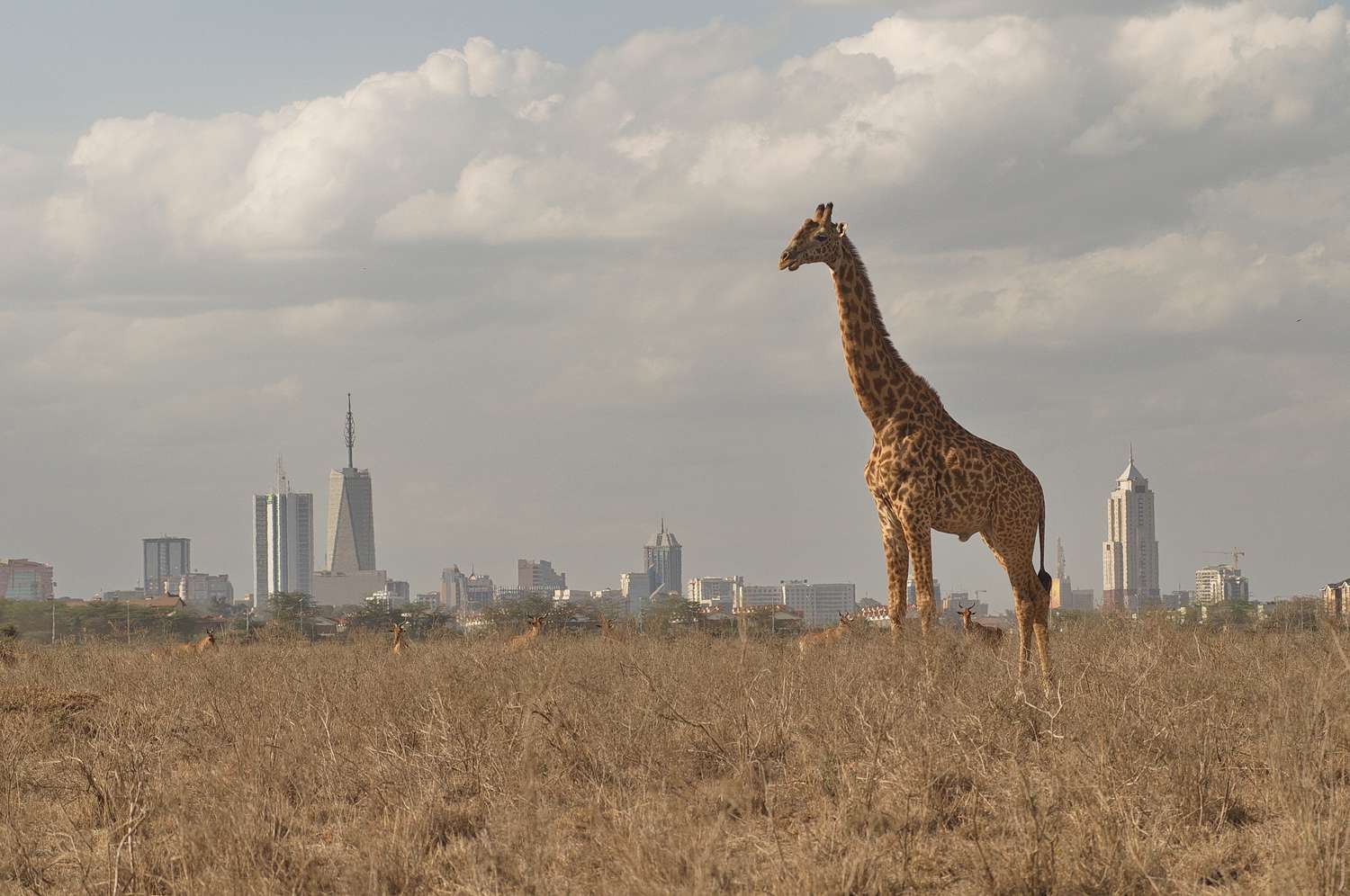
Nairobi is far more than an arrival point for international flights. It is one of East Africa’s most dynamic cities and deserves at least one or two days in a well-designed Kenya itinerary. Its greatest attraction is the contrast between modern city life and protected nature. Few capitals allow visitors to observe genuinely wild animals within such a short distance of hotels, airports and business districts.
Leading attractions include Nairobi National Park, the Sheldrick Wildlife Trust’s Nairobi nursery, the Giraffe Centre, Karen Blixen Museum, Bomas of Kenya, Nairobi National Museum, Karura Forest and Nairobi Railway Museum. Travelers can also discover contemporary art, handcrafted products, Kenyan cuisine and important historical sites.
The best itinerary depends on available time, traffic, interests and current visitor arrangements. Some attractions require advance reservations, while opening hours and entrance fees may change. Ngeye Uganda Tours can arrange a personalized Nairobi excursion or connect the city with destinations featured in our Kenya national parks guide.
Top Nairobi Attractions at a Glance
| Attraction | Best For | Planning Note |
|---|---|---|
| Nairobi National Park | Wildlife, rhinos, photography and birdwatching | An early-morning game drive is generally recommended. |
| Sheldrick Wildlife Trust nursery | Elephant conservation education | Advance reservations and current visitor arrangements should be confirmed. |
| Giraffe Centre | Families and conservation education | Can be combined with attractions in Karen and Lang’ata. |
| Karen Blixen Museum | Literature, history and heritage | Works well with the Giraffe Centre on a one-day itinerary. |
| Bomas of Kenya | Traditional architecture, music and dance | Performance programs should be checked before visiting. |
| Nairobi National Museum | Kenyan history, culture and natural heritage | Allow enough time to explore the collections without rushing. |
| Karura Forest | Walking, cycling, nature and birdwatching | Use recognized entrances and follow current safety guidance. |
| Nairobi Railway Museum | Railway and city history | Confirm current access before including it in an itinerary. |
Nairobi National Park: A Wildlife Safari Beside the City
Nairobi National Park is the city’s most remarkable attraction. Established in 1946 as Kenya’s first national park, it protects approximately 117 square kilometres of open grassland, acacia woodland, wetlands and seasonal waterways beside the capital.
Possible wildlife sightings include lions, black and white rhinos, African buffaloes, Masai giraffes, plains zebras, elands, hartebeests, impalas, warthogs and spotted hyenas. Leopards, cheetahs and servals also occur but are more elusive.
The park is generally considered a Big Four destination because wild elephants are not normally resident. Travelers wanting to observe wild elephants should combine Nairobi with Amboseli, Tsavo, Samburu or another suitable Kenyan park.
More than 400 resident and migratory bird species have been recorded in the park environment, making it attractive to birdwatchers. Possible sightings include secretarybirds, ostriches, grey crowned cranes, raptors, herons and grassland birds.
An early-morning drive usually offers cooler temperatures, favorable photography conditions and potentially greater animal activity. A half-day provides a useful introduction, while a full day allows more extensive exploration. Sightings remain natural and cannot be guaranteed.
Sheldrick Wildlife Trust Nairobi Nursery
The Sheldrick Wildlife Trust’s Nairobi nursery is one of the city’s best-known conservation attractions. It cares for orphaned young elephants and other rescued animals as part of wider rehabilitation and wildlife-protection programs.
A visit provides an opportunity to learn about the threats facing elephants, the circumstances that can leave young animals orphaned and the long-term process involved in rehabilitation. The experience should be approached as conservation education rather than entertainment.
The nursery operates separately from Nairobi National Park. Its location near the park does not mean that wild elephants ordinarily live inside Nairobi National Park. Visitor sessions may be controlled, and advance reservations can be necessary. Current arrangements should therefore be confirmed before travel.
Because access may be limited to particular times, the nursery should form the fixed point around which other nearby activities are arranged.
Giraffe Centre: Conservation and Family-Friendly Learning
The Giraffe Centre in Lang’ata introduces visitors to giraffe conservation, with particular attention to the endangered Rothschild’s giraffe. Educational staff explain the animals’ biology, feeding behavior and conservation challenges.
Its raised viewing platform allows visitors to observe giraffes at eye level under controlled conditions. This creates appealing photography opportunities, although guests should follow staff instructions and avoid treating the animals like domestic pets.
The Giraffe Centre is especially suitable for families and first-time visitors. It is often combined with Karen Blixen Museum, Bomas of Kenya or the Sheldrick Wildlife Trust nursery because these attractions are located within the broader Karen and Lang’ata area.
Visitors should distinguish this managed conservation experience from observing free-ranging Masai giraffes in Nairobi National Park. The two attractions provide different but complementary perspectives.
Karen Blixen Museum: Nairobi’s Literary Heritage
Karen Blixen Museum occupies the former home of Danish author Karen Blixen, whose memoir inspired the famous story associated with Out of Africa. The preserved house and grounds introduce visitors to her life in Kenya and the history of the former coffee farm.
Guided interpretation can provide valuable context, but the colonial period should be discussed thoughtfully. Visitors benefit from understanding both the personal story represented by the museum and the wider historical experiences of Kenyan communities during that era.
The attraction is located in the Nairobi suburb that took its name from Blixen. Its gardens and historic setting provide a quiet contrast to the city centre. It is well suited to literature enthusiasts, history travelers and visitors seeking an indoor or slower-paced afternoon experience.
Bomas of Kenya: Traditional Music, Dance and Architecture
Bomas of Kenya showcases the cultural diversity of Kenya’s communities through traditional homesteads, music, dance and artistic performances. The word boma commonly refers to a homestead or enclosed settlement.
Visitors can learn how architecture, clothing, music and social traditions vary among Kenyan communities. Performances may incorporate traditional instruments, storytelling, songs and energetic dances.
The experience is designed as a national cultural presentation rather than a visit to one living rural community. Travelers should therefore understand it as an introduction to Kenya’s cultural diversity, not a replacement for respectful community-based experiences elsewhere in the country.
Programs and performance schedules may vary. Visitors should confirm what will be available on their intended date before building the day around a specific presentation.
Nairobi National Museum: Kenya’s History and Natural Heritage
Nairobi National Museum is one of the city’s most valuable educational attractions. Its collections introduce visitors to Kenya’s archaeology, paleontology, ethnography, art and natural history.
Travelers can learn about human origins, examine cultural artifacts and explore displays related to Kenya’s animals and ecosystems. This broader historical context adds meaning to later wildlife and cultural experiences.
The museum is suitable for families, students, history enthusiasts and visitors needing an indoor activity during rainy weather. Depending on current visitor arrangements, nearby facilities or exhibitions may be accessed separately.
At least two hours should be considered for a meaningful visit, although travelers with specialist interests may prefer more time.
Karura Forest: Walking, Cycling and Birdwatching
Karura Forest provides a refreshing natural retreat from Nairobi’s busy streets. The protected urban forest includes walking and cycling trails, woodland, streams and several scenic features.
Birdwatchers may encounter forest and woodland species that differ from those found in Nairobi National Park’s open grasslands. Early morning generally offers cooler conditions and increased bird activity.
The forest appeals to active travelers, residents and visitors wanting a gentle outdoor experience without committing to a game drive. Cycling arrangements, guided walks and entrance procedures should be confirmed in advance.
Visitors should use recognized entrances, remain on approved trails and follow current security guidance. Weather may affect trail conditions, particularly during rainy periods.
Nairobi Railway Museum: The Story of the Railway and the City
Nairobi’s development is closely connected to the railway built between the East African coast and the interior. The Nairobi Railway Museum preserves locomotives, equipment, photographs and historical material associated with that transformation.
The attraction helps visitors understand why Nairobi grew from a railway depot into Kenya’s capital and a major regional centre. Railway history also connects with the development of tourism, trade and settlement across East Africa.
This museum is particularly interesting for transport enthusiasts and travelers who want to understand the city beyond its wildlife attractions. Current access, displays and opening arrangements should be confirmed before visiting.
Kenyatta International Convention Centre and Nairobi Views
The Kenyatta International Convention Centre is one of Nairobi’s most recognizable landmarks. When public access to its viewing area is available, visitors may enjoy broad views across the city.
The attraction offers perspective on Nairobi’s urban scale and provides a contrast with the natural landscapes visited elsewhere. Security screening, identification requirements and rooftop-access arrangements may change, so current information should be confirmed before arrival.
Travelers should avoid constructing a tight itinerary around access that has not been reconfirmed. Nairobi traffic and city-centre security procedures can also affect the required time.
Kazuri Beads and Nairobi’s Creative Economy
Nairobi is home to a thriving creative community. Kazuri and other responsible craft workshops provide opportunities to learn about locally made ceramics, jewelry and decorative products.
Visitors interested in shopping should prioritize established workshops, cooperatives and businesses that can explain where products are made. This helps support local skills and reduces the likelihood of purchasing mass-produced goods presented as handmade.
Craft visits can fit naturally into a Karen-area itinerary alongside the Giraffe Centre and Karen Blixen Museum. Workshop tours and retail access may vary, so advance confirmation is recommended.
City Markets, Food and Contemporary Nairobi
Markets and commercial areas introduce travelers to the everyday energy of Nairobi. Depending on current conditions and personal interests, visitors may explore established craft markets, shopping centres, galleries and food venues.
Kenyan cuisine may include grilled meats, stews, vegetables, rice dishes, ugali and regional specialties. Nairobi’s restaurant scene also reflects the city’s diverse communities, with Indian, Ethiopian, Middle Eastern and international influences.
Market visits are best undertaken with local guidance, particularly for travelers unfamiliar with the city. Prices should be agreed before purchases, valuables should remain secure and photography permission should be requested when people or private stalls are involved.
Best Nairobi Attractions for Different Travelers
| Traveler Interest | Recommended Attractions |
|---|---|
| Wildlife enthusiasts | Nairobi National Park, Sheldrick Wildlife Trust nursery and Giraffe Centre |
| Birdwatchers | Nairobi National Park and Karura Forest |
| Families | Giraffe Centre, Nairobi National Museum and a short park game drive |
| History travelers | Nairobi National Museum, Karen Blixen Museum and Railway Museum |
| Cultural travelers | Bomas of Kenya, museums, galleries and responsible craft workshops |
| Active travelers | Karura Forest walking or cycling and Nairobi National Park |
| Short-stay visitors | A half-day national park safari or a focused Karen and Lang’ata excursion |
Suggested One-Day Nairobi Itinerary
Begin with an early-morning game drive in Nairobi National Park. Starting early may help avoid some traffic and provides favorable wildlife-viewing conditions.
After leaving the park, continue to a conservation attraction with a fixed reservation, if one has been secured. Have lunch in the Karen or Lang’ata area before visiting the Giraffe Centre or Karen Blixen Museum.
Finish with one additional attraction only if time permits. Attempting to include the national park, elephant nursery, Giraffe Centre, museum, Bomas and city centre in one day normally produces a rushed and tiring itinerary.
Suggested Two-Day Nairobi Itinerary
Day One: Wildlife and Conservation
Dedicate the first morning to Nairobi National Park. After the game drive, continue to the Sheldrick Wildlife Trust nursery if advance access has been secured. Spend the afternoon at the Giraffe Centre or relaxing in Karen.
Day Two: History, Culture and Nature
Visit Nairobi National Museum or Karen Blixen Museum in the morning. Continue to Bomas of Kenya, a responsible craft workshop or Karura Forest, depending on your interests and the current schedule.
Suggested Three-Day Nairobi Itinerary
A third day allows visitors to explore without rushing. It may include a longer Karura Forest experience, additional museum time, contemporary galleries, shopping or a carefully guided city-centre tour.
Three days are particularly suitable for travelers recovering from a long international flight before beginning an overland safari. They also provide flexibility if rain, traffic or delayed arrivals affect the original schedule.
When Is the Best Time to Visit Nairobi?
Nairobi can be explored throughout the year. Drier conditions commonly occur from June to October and from January to February, providing generally favorable conditions for game drives, walking and outdoor sightseeing.
Rainfall commonly increases between March and May and again around November and December. The city and surrounding landscapes become greener, while migratory birds may enhance birdwatching. Heavy rain can occasionally affect traffic and unpaved park roads.
Nairobi’s elevation means mornings and evenings may feel cooler than some travelers expect. Light layers and a rain jacket are useful regardless of the season.
How Should You Get Around Nairobi?
Nairobi traffic is one of the most important itinerary considerations. Attractions that appear close on a map can require considerably more time during busy periods. Travelers should group nearby sites rather than repeatedly crossing the city.
Private transport with a professional driver-guide is often the most efficient choice for visitors completing several attractions in one day. It reduces navigation concerns, helps with timing and allows the itinerary to respond to traffic.
Travelers using taxis or app-based transport should confirm the vehicle and driver details before entering. Airport transfers and time-sensitive reservations should include generous buffers.
Is Nairobi Safe for Tourists?
Many visitors explore Nairobi successfully, but sensible urban precautions remain necessary. Travelers should avoid displaying large amounts of cash, expensive jewelry or unsecured phones in crowded areas. Bags should be kept closed and valuables placed where they cannot be easily reached.
Walking routes should be selected with local guidance, particularly after dark or in unfamiliar neighborhoods. Transport should be arranged through reputable providers, hotels or recognized applications.
Official travel guidance and local conditions can change. Visitors should consult current advice, follow instructions from their guide and avoid demonstrations or large political gatherings.
What Should You Pack for Nairobi Sightseeing?
Comfortable walking shoes, lightweight clothing, a hat, sunscreen and a reusable water bottle are useful. A light sweater or jacket is recommended for cool mornings and evenings, while a compact rain jacket is valuable during wetter months.
Visitors planning a national park game drive should bring binoculars and a camera with a suitable zoom lens. A secure day bag, copies of essential travel documents and personal medication should also be carried.
Some attractions may request identification or proof of residency when applying different entry categories. Confirm documentation requirements when making reservations.
Can Nairobi Be Combined with a Longer Safari?
Nairobi is Kenya’s principal transport hub and a natural starting point for a wider safari. Amboseli can add elephant viewing and Mount Kilimanjaro scenery, while Lake Nakuru offers rhinos, birdlife and Rift Valley landscapes.
Samburu introduces travelers to northern Kenya’s dry-country wildlife, including Grevy’s zebras, reticulated giraffes and gerenuks. Tsavo offers immense wilderness areas and famous red-dusted elephants, while the Maasai Mara provides open plains and excellent predator viewing.
Nairobi can also connect with Uganda, Rwanda and Tanzania by scheduled flight or carefully planned overland itineraries. The final route should reflect available days rather than attempting to include too many distant regions.
Why Choose Ngeye Uganda Tours for Nairobi City Experiences?
Ngeye Uganda Tours creates personalized Nairobi itineraries based on each traveler’s interests, arrival schedule and available time. Activities can focus on wildlife, museums, conservation, culture, shopping or a balanced mixture.
Careful route planning is essential in Nairobi because traffic, reservations and attraction schedules affect how much can reasonably be completed. Our approach prioritizes meaningful experiences rather than placing too many stops into one rushed day.
Nairobi can be arranged as a standalone city break, an airport stopover or the beginning of a longer East African adventure. Browse our safari packages or contact Ngeye Uganda Tours to request a personalized itinerary.
Frequently Asked Questions About Nairobi Attractions
What are the top attractions in Nairobi?
Leading attractions include Nairobi National Park, the Sheldrick Wildlife Trust nursery, Giraffe Centre, Karen Blixen Museum, Bomas of Kenya, Nairobi National Museum and Karura Forest.
How many days do I need in Nairobi?
One day covers a focused wildlife or Karen-area itinerary. Two days allow a better combination of wildlife, museums and culture, while three days provide a more relaxed experience.
Can I see wild animals in Nairobi?
Yes. Nairobi National Park protects free-ranging lions, rhinos, buffaloes, giraffes, zebras, antelopes, hyenas and many birds. Sightings remain natural and are not guaranteed.
Are there elephants in Nairobi National Park?
Wild elephants are not normally resident in the park. The nearby Sheldrick Wildlife Trust nursery cares for orphaned young elephants but operates as a separate conservation facility.
Is Nairobi good for birdwatching?
Yes. Nairobi National Park has recorded more than 400 bird species, while Karura Forest offers additional woodland birding opportunities.
Can I visit Nairobi attractions during a layover?
A focused excursion may be possible during a sufficiently long layover. Immigration, baggage collection, traffic and airport check-in requirements must be carefully assessed.
Do Nairobi attractions require advance booking?
Some attractions and visitor sessions may require reservations. Current availability, opening arrangements and entrance fees should be confirmed before travel.
Is Nairobi suitable for families?
Yes. The Giraffe Centre, Nairobi National Museum and a short Nairobi National Park game drive can be especially appealing to families.
What is the best time to visit Nairobi?
Nairobi is a year-round destination. Drier months can be convenient for outdoor activities, while wetter periods offer green scenery and rewarding birdwatching.
How should tourists travel around Nairobi?
Private transport with a professional driver-guide is convenient for multi-attraction itineraries. Visitors should group nearby sites and allow generous time for traffic.