What Accommodation Options Exist in Amboseli?
Choosing the right accommodation is an important part of planning a memorable safari in Kenya. While wildlife sightings and game drives often receive the most attention, the location and quality of your accommodation can determine how easily you access the park, how much time you spend viewing wildlife and how comfortable you feel after each day’s activities. This leads many international travelers to ask: What accommodation options exist in Amboseli?
Travelers visiting Amboseli National Park can choose from luxury safari lodges, permanent tented camps, private conservancy retreats, affordable safari camps and basic campsites. These properties are located inside the national park, near its entrance gates or within surrounding community conservancies. Each location offers different advantages in terms of price, privacy, activities and access to wildlife-viewing areas.
Amboseli is one of the most recognizable destinations included in Kenya Safaris. Its open plains, seasonal wetlands, resident elephant herds and views toward Mount Kilimanjaro attract photographers, families, honeymooners and wildlife enthusiasts from around the world. However, Kilimanjaro is frequently covered by clouds, so travelers should consider a clear mountain view a special bonus rather than a guaranteed part of their safari.
The best accommodation in Amboseli is not always the most expensive. Its exact location, room configuration, meal plan, access arrangements and distance from the park entrance may have a greater influence on your safari than its star rating. At Ngeye Uganda Tours, we help travelers compare these factors before recommending accommodation that complements their interests, comfort preferences and budget.
Should You Stay Inside or Outside Amboseli National Park?
Before choosing a particular lodge or camp, travelers should decide whether they want to stay inside the national park, near one of its gates or within a neighboring conservancy. Properties advertised as being “in Amboseli” are not necessarily situated inside the protected area. The distinction affects park access, transfer times, available activities and the overall cost of the safari.
| Accommodation location | Best suited to | Important consideration |
|---|---|---|
| Inside the national park | Travelers prioritizing early game drives and shorter transfers | Prices may be higher, and activities remain subject to park regulations |
| Near a park entrance | Families, groups and value-conscious travelers | Daily gate procedures and transfer times must be considered |
| Private conservancy or sanctuary | Couples, honeymooners and travelers seeking privacy | Confirm the distance from the park and which private activities are offered |
| Basic campsite | Adventurous and budget-conscious travelers | Bathroom facilities, water, electricity, security and meals may be limited |
Staying inside Amboseli National Park generally reduces the time required to reach wildlife-viewing areas. This can be especially helpful for photographers hoping to use the soft light of early morning or travelers with only one full day available for game drives.
Accommodation outside the park can provide more variety and competitive prices. Several camps are positioned close to Kimana Gate and other access points, although driving distances differ considerably. Travelers should therefore check the actual transfer time instead of relying only on descriptions such as “near Amboseli.”
Private conservancies and sanctuaries may provide greater privacy and additional activities such as guided walks, bush breakfasts, sundowners and cultural encounters. The activities available depend on local regulations and the individual property, so their inclusion should be confirmed before booking.
What Luxury Safari Lodges Exist in Amboseli?
Luxury accommodation in Amboseli is suitable for travelers who value spacious rooms, attentive service, high-quality dining and well-designed communal areas. Many luxury properties feature swimming pools, landscaped gardens, lounges, private verandas and views across the surrounding plains.
Ol Tukai Lodge is positioned inside Amboseli National Park and offers chalet-style rooms overlooking wetlands or the surrounding landscapes. Its location can provide convenient access to several of the park’s wildlife-viewing areas. Amboseli Serena Safari Lodge is another established option situated inside the protected area and offers safari-inspired accommodation surrounded by gardens.
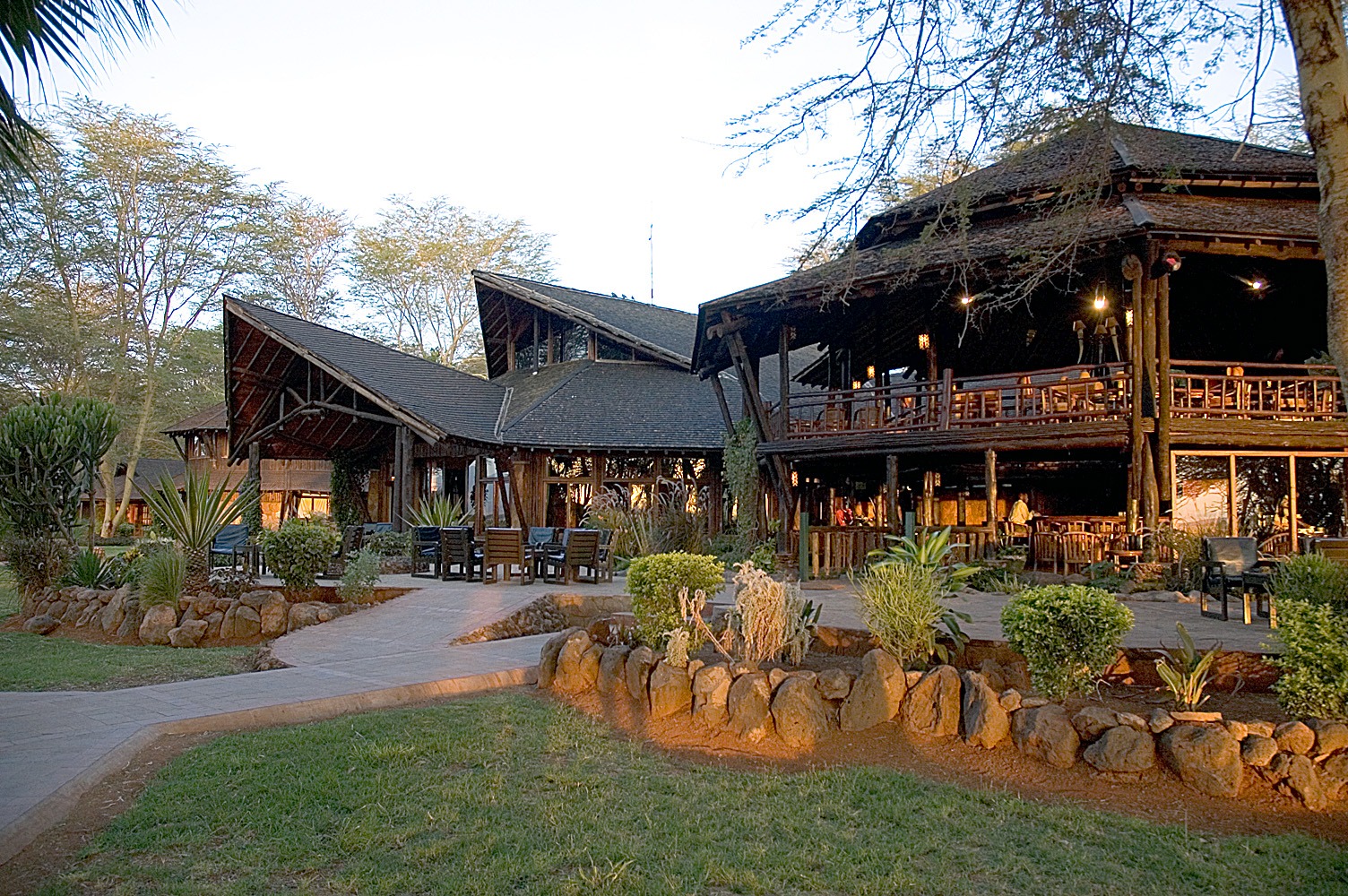
Travelers seeking greater privacy can consider high-end camps in the surrounding conservation areas. Elewana Tortilis Camp is situated within the private Kitirua Conservancy bordering Amboseli, while Angama Amboseli provides an exclusive experience in Kimana Sanctuary. These properties are not located inside the national park, but their private settings can deliver distinctive landscapes, personalized hospitality and additional safari experiences.
Luxury does not automatically mean that every expense is included. One lodge may quote accommodation and meals only, while another may include game drives, conservancy fees, airstrip transfers and selected beverages. Travelers should request a detailed quotation showing all inclusions and exclusions before confirming their Kenya Wildlife Safari.
Are Mid-Range Tented Camps Available in Amboseli?
Mid-range tented camps are among the most popular accommodation choices in Amboseli because they combine comfort, safari atmosphere and reasonable prices. Their permanent tents typically contain proper beds, private bathrooms, mosquito nets and shaded verandas. Some also offer swimming pools, restaurants, Wi-Fi and charging facilities.
A permanent safari tent should not be confused with an ordinary camping tent. Many are spacious rooms constructed beneath durable canvas and equipped with furniture, electricity, hot showers and en-suite bathrooms. Guests experience the natural sounds of the surrounding environment while retaining the comforts expected from professionally managed accommodation.
Kibo Safari Camp, located near Kimana Gate, is one option regularly considered by travelers seeking convenient park access without staying inside the protected area. Other mid-range camps around the ecosystem provide different combinations of family rooms, cottages, tented suites, swimming pools and views across the plains.
These camps are particularly suitable for couples, families, private groups and travelers following longer Kenya safari itineraries. Selecting a comfortable mid-range camp can leave more room in the budget for private transportation, additional game drives or extra nights in another destination.
Amboseli can, for example, be combined with the Masai Mara National Reserve, Tsavo, Nairobi or destinations in northern Tanzania. A balanced accommodation budget makes these multi-destination journeys more accessible without significantly reducing comfort.
What Budget Accommodation Options Exist in Amboseli?
Budget accommodation in Amboseli includes simple tented camps, guesthouses, eco-camps and public or privately operated campsites. These options allow travelers to experience the park’s elephants, wetlands and savannah landscapes without paying luxury-level prices.
Facilities vary considerably. Some affordable camps provide furnished tents, private bathrooms and meals, while basic campsites may offer shared bathrooms, limited electricity and simple cooking arrangements. Before booking, travelers should confirm whether bedding, hot water, drinking water, meals, charging facilities and security services are included.
Independent camping requires careful preparation because Amboseli is a wildlife environment. Some camps and lodges are unfenced, allowing animals to move through the surrounding area. Guests should follow instructions from staff, avoid walking alone after dark and use a lodge escort whenever required.
Basic accommodation can be suitable for students, backpackers, overland groups and adventurous travelers. However, first-time safari visitors may feel more comfortable in an affordable tented camp that includes meals and organized transportation rather than arranging every service independently.
The cheapest room rate may not always produce the lowest total safari cost. A remote camp outside the park might require longer daily transfers, additional fuel or repeated entry arrangements. The complete itinerary should therefore be evaluated before selecting an option based entirely on price.
How Can You Choose the Right Amboseli Accommodation?
Online photographs can show the beauty of a room, but they may not explain how well the property fits into a safari itinerary. Travelers should evaluate practical considerations alongside appearance and price.
Confirm whether the property is inside the park, near a gate or within a private conservancy.
Ask about the driving time, nearest entrance and morning entry arrangements.
Check the availability of double, twin, triple, family or interconnected rooms.
Establish whether the rate includes breakfast, half board, full board or all-inclusive service.
Confirm whether game drives, transfers, cultural visits or conservancy activities are included.
Ask about Wi-Fi, charging points, dietary support, accessibility, laundry and swimming pools.
Families should confirm child rates, minimum ages for activities and the actual room layout. A property may accept children but impose age restrictions on walking safaris, shared game drives or other conservancy experiences.
Travelers with limited mobility should request specific information about paths, steps, bathroom design and the distance between rooms and communal areas. A general claim that a lodge is accessible may not provide enough information for individual requirements.
Birdwatchers may prefer accommodation near wetlands, acacia woodland or landscaped gardens. Amboseli supports a rich variety of resident and migratory species, making the destination a rewarding addition to specialized African birding tours.
Which Accommodation Experiences Make Amboseli Special?
Amboseli’s landscape gives its accommodation a distinctive character. Several camps and lodges overlook plains, wetlands or wildlife corridors, allowing guests to remain connected to the environment even while relaxing between game drives.
Animals may occasionally be observed near accommodation, but wildlife remains free-ranging and sightings cannot be guaranteed. Guests should never approach animals or leave designated areas without following instructions from lodge staff.
Some properties arrange bush breakfasts, sundowners and outdoor dinners in approved locations. These activities allow visitors to experience the landscape beyond the safari vehicle while remaining under professional supervision.
Cultural experiences can also be incorporated into an Amboseli itinerary. Responsible visits should be conducted respectfully and should deliver clear benefits to participating communities. Travelers interested in community-led experiences can combine Amboseli with carefully planned East African cultural tours.
Environmental responsibility is another important consideration. Some lodges use solar energy, water-conservation systems, waste-reduction programs and locally sourced products. Travelers should look beyond broad terms such as “eco-friendly” and examine the specific practices implemented by each property.
When Is the Best Time to Book Accommodation in Amboseli?
Amboseli is open throughout the year, but accommodation prices and availability vary according to season. The drier periods, generally experienced between January and February and from June to October, are popular because animals frequently gather near permanent water sources and roads are usually easier to navigate.
The greener months can bring dramatic skies, fresh vegetation, active birdlife and attractive photography conditions. Visitor numbers may also be lower during parts of the green season. Nevertheless, rainfall is variable, and heavy showers can make some roads muddy.
Demand often increases during Christmas, New Year, Easter and international school holidays. Family rooms, private vehicles and premium accommodation should be reserved well in advance because availability is limited.
Rates can change according to season, nationality or residency, room occupancy and meal plan. Holiday supplements and minimum-stay requirements may also apply. Single travelers should ask about single-room supplements, while families should provide the ages of their children when requesting a quotation.
Travelers should avoid choosing accommodation based on a promise of guaranteed Mount Kilimanjaro views. Although several properties face the mountain, cloud cover can hide the summit at any time of year.
How Many Nights Should You Stay in Amboseli?
Two or three nights are suitable for most travelers. A two-night stay normally provides one full day for game drives, while a three-night stay allows greater flexibility for photography, birdwatching, relaxation and additional experiences.
Travelers with limited time can include Amboseli in a shorter itinerary from Nairobi. However, the journey should not feel rushed. Arriving late and leaving early the following morning would provide little time to appreciate the park.
Photographers may benefit from a longer stay because Amboseli changes throughout the day. Morning mist, afternoon light, animal movement and cloud cover can produce very different views of the same landscape.
Can Amboseli Be Combined With Other Safari Destinations?
Amboseli combines naturally with other destinations in Kenya and the wider East African region. Travelers can continue to the Masai Mara, Tsavo, Nairobi or Tanzania’s northern safari circuit, depending on available time and border arrangements.
Visitors interested in seasonal wildlife movements may consider an itinerary featuring the Great Wildlife Migration. Migration locations and timing depend on rainfall and grazing conditions, so no operator should guarantee where the herds will be on a particular date.
International travelers can also combine a Kenyan wildlife safari with Uganda Safaris or Rwanda Safaris. These journeys can bring together Amboseli’s elephants and savannah landscapes with gorilla trekking or chimpanzee tracking.
Why Book Your Amboseli Safari With Ngeye Uganda Tours?
Choosing accommodation from another country can be challenging because properties with similar descriptions may be located in completely different settings. Ngeye Uganda Tours evaluates each property within the complete itinerary rather than recommending it based only on attractive photographs.
Our safari consultants consider park access, transfer time, room configuration, comfort level, dietary needs and planned activities before presenting suitable options. This ensures that the accommodation supports the safari schedule while meeting the traveler’s expectations.
We also explain what is included in the quotation, including accommodation, meals, transportation, park fees and planned activities. Transparent information helps travelers compare options accurately and avoid unexpected expenses.
Whether you prefer a luxury lodge inside the national park, an atmospheric tented camp near a gate or a private retreat in a neighboring conservancy, we can design a personalized Kenya Wildlife Safari around your interests.
Find the Right Accommodation in Amboseli
Share your travel dates, group size, preferred comfort level and approximate budget. Our safari specialists will recommend suitable accommodation and create an itinerary designed around your interests.
Plan Your Amboseli SafariFrequently Asked Questions About Amboseli Accommodation
What accommodation options exist in Amboseli?
Amboseli offers luxury safari lodges, permanent tented camps, private conservancy retreats, affordable camps and basic campsites. These options are located inside the national park, near its entrance gates and within neighboring conservation areas.
Is it better to stay inside or outside Amboseli National Park?
Staying inside the park can reduce transfer times for game drives. Properties outside the gates may provide more variety and competitive rates. The best choice depends on the location, itinerary, budget and preferred activities.
How many nights should I spend in Amboseli?
Most visitors spend two or three nights in Amboseli. Three nights provide more time for wildlife viewing, photography, relaxation and additional activities without making the safari feel rushed.
Can families find suitable accommodation in Amboseli?
Yes. Several camps and lodges provide family rooms, triple rooms or interconnected accommodation. Families should confirm child rates, room layouts and minimum ages for safari activities before booking.
Are park fees included in accommodation rates?
Not always. Park fees, conservancy charges, game drives and transportation may be quoted separately. Travelers should request a complete list of inclusions and exclusions before confirming a reservation.
Do all Amboseli lodges offer views of Mount Kilimanjaro?
Some properties have rooms or communal areas facing Kilimanjaro, but visibility depends on weather and cloud cover. A clear view of the mountain cannot be guaranteed.
Can wildlife be seen from Amboseli lodges and camps?
Some properties overlook plains, wetlands or wildlife corridors, making occasional sightings possible. However, animals are free-ranging, and no particular sighting can be guaranteed.