What Museums Can I Visit in Nairobi?
What museums can I visit in Nairobi? Kenya’s capital offers several museums and heritage institutions covering history, archaeology, art, literature, railways, culture and natural science. The leading choices include Nairobi National Museum, Karen Blixen Museum, Nairobi Gallery and Nairobi Railway Museum. Visitors can also explore the Kenya National Archives and Nairobi Snake Park, although these are better described as an archival institution and a zoological attraction rather than conventional museums.
Nairobi’s museums help travelers understand Kenya beyond its famous wildlife. Exhibitions reveal the country’s human origins, cultural communities, independence struggle, colonial history, artistic traditions, biodiversity and transformation from a railway settlement into a major African capital.
Museum visits can be added before or after a safari, used as meaningful rainy-day activities or combined into a dedicated Nairobi cultural itinerary. Nairobi National Museum provides the broadest introduction, Karen Blixen Museum appeals to literary and colonial-history interests, Nairobi Gallery focuses on art and heritage, while the Railway Museum explains the transport history that shaped the city.
Opening arrangements, admission fees, exhibitions and photography policies may change. Travelers should confirm current information directly with each institution before visiting. Ngeye Uganda Tours can incorporate Nairobi’s museums into a city experience or a longer East African safari itinerary.
Nairobi Museums at a Glance
| Museum or Institution | Main Focus | Suggested Visit |
|---|---|---|
| Nairobi National Museum | Kenyan history, human origins, culture, art and natural heritage | Two to three hours |
| Karen Blixen Museum | Literature, the former coffee farm and colonial-era history | One to two hours |
| Nairobi Gallery | Art, cultural collections and Nairobi’s architectural history | One to two hours |
| Nairobi Railway Museum | Railway engineering, locomotives and Nairobi’s development | One to two hours |
| Kenya National Archives | Historical records, photographs, documents and selected public displays | Approximately one hour |
| Nairobi Snake Park | Reptiles, amphibians, fish and biodiversity education | One hour in addition to the National Museum |
| Bomas of Kenya | Traditional architecture, music and dance | Two to three hours; this is a cultural centre rather than a conventional museum. |
Nairobi National Museum: The Best General Introduction
Nairobi National Museum is the strongest choice for visitors who have time for only one museum. Its permanent and temporary galleries bring together Kenya’s cultural history, art, archaeology and natural sciences in one institution.
The Cradle of Humankind gallery introduces early human development and Stone Age tools. This section helps explain the scientific importance of East Africa and the Great Rift Valley in research into human origins.
The History of Kenya gallery explores the country’s communities and language groups, precolonial societies, colonial rule, the independence struggle and national development. Visitors should allow time to engage with this history rather than treating the museum as a quick collection of artifacts.
The Cycles of Life gallery examines social traditions connected with childhood, youth, adulthood and ancestry. Objects from different communities demonstrate how clothing, tools, ceremonies and domestic life reflect both cultural identity and changing social conditions.
Natural-history collections introduce the diversity of East African mammals and birds. These displays are useful before a wildlife safari because they help travelers identify species and understand their adaptations.
The museum also presents art and changing exhibitions. Because temporary displays vary, visitors should check the current program if they have a specialist interest.
Who Should Visit Nairobi National Museum?
The museum is suitable for first-time visitors, families, students, history enthusiasts, birdwatchers and travelers beginning a Kenya safari. It is also a practical indoor activity during periods of rain.
At least two hours should be allocated. Visitors with a strong interest in archaeology, cultural history or natural science may need half a day.
Nairobi Snake Park: A Natural-History Addition
Nairobi Snake Park is located within the wider National Museum grounds and can be added to a museum visit. It displays reptiles, amphibians and fish while introducing aspects of East African biodiversity.
Visitors can learn how snakes and other reptiles fit within natural ecosystems, why many species are misunderstood and how to respond responsibly when reptiles are encountered.
The Snake Park is not a traditional museum. It is better categorized as a zoological and educational attraction. Travelers concerned about animal welfare may wish to research current conditions and management practices before deciding to visit.
Admission arrangements may be separate from the main museum. Confirm current ticket options before arrival rather than assuming one entrance fee covers every facility.
Karen Blixen Museum: Literature and Colonial-Era History
Karen Blixen Museum occupies the former farmhouse associated with Danish author Karen Blixen, who wrote under the name Isak Dinesen. Her memoir Out of Africa and the later film adaptation made the property internationally famous.
The house dates from the early twentieth century and formed part of the former coffee farm at the foot of the Ngong Hills. Its rooms contain period furnishings and objects connected with Blixen’s life, while the grounds include farm equipment and elements associated with coffee production.
Guided tours introduce Blixen’s writing, personal relationships, financial difficulties and experiences in colonial Kenya. However, a thoughtful visit should not romanticize settler life without considering the wider historical context.
Colonial land ownership, labor systems and racial inequality affected Kenyan communities profoundly. Visitors should consider how the preserved house represents one perspective within a much larger and more difficult history.
The museum’s gardens and nature trail make it attractive to visitors interested in literature, photography and birdwatching. It can be combined with the Giraffe Centre, Bomas of Kenya or responsible craft workshops in the broader Karen and Lang’ata area.
Nairobi Gallery: Art and the History of the City
Nairobi Gallery occupies a historically significant building at the intersection of Kenyatta Avenue and Uhuru Highway. Constructed in 1913, the building has served several administrative and judicial functions throughout Nairobi’s history.
The gallery’s location is associated with Kenya’s historical “point zero,” from which distances were measured. This makes the building itself an important part of the visitor experience.
Exhibitions may include African art, cultural objects, historical collections and temporary presentations. Because gallery programs change, visitors should confirm what is currently displayed rather than planning around an exhibition described in an old article.
The gallery is suitable for art enthusiasts, architecture travelers and visitors already exploring central Nairobi. A guided visit can help explain the building’s changing roles and how they connect with colonial administration and post-independence government.
Nairobi Railway Museum: How the Railway Shaped the Capital
Nairobi’s development is inseparable from the history of the railway connecting the East African coast with the interior. What began as a railway depot grew into a major commercial centre and eventually Kenya’s capital.
Nairobi Railway Museum preserves locomotives, rolling stock, machinery, maps, photographs and other objects connected with railway history. The outdoor collection is particularly appealing to transport and engineering enthusiasts.
The museum also provides an entry point into difficult historical subjects. Railway construction involved harsh working conditions, imported labor, displacement and the expansion of colonial control. The story should therefore be understood as more than a celebration of technology.
Because access and exhibition conditions may change, visitors should confirm current opening arrangements before making a dedicated trip.
Kenya National Archives: Historical Records and Public Exhibitions
Kenya National Archives preserves documents, photographs and records related to the country’s political, administrative and social history. It is primarily an archival institution rather than a conventional museum, but selected public displays can make it relevant to visitors.
Collections may help researchers and history enthusiasts examine Kenya’s colonial period, independence movement, government development and prominent national figures. Access to archival materials normally differs from ordinary entry to a public exhibition.
Travelers with specific research interests should contact the institution in advance to understand identification, permission and appointment requirements. Casual visitors should confirm whether public exhibitions are accessible on their intended date.
Bomas of Kenya: Is It a Museum?
Bomas of Kenya is often described informally as a living museum, but it is more accurately understood as a cultural centre. It presents reconstructed homesteads, traditional architecture and performing arts associated with different Kenyan communities.
Music, dance and storytelling may introduce visitors to Kenya’s cultural diversity. However, the presentation is curated for public education and performance; it is not equivalent to entering a living rural community.
Bomas can complement museum visits by bringing movement, sound and architecture into the cultural experience. Performance schedules can vary, so visitors should confirm the program before traveling.
Uhuru Gardens and Kenya’s National Memory
Uhuru Gardens is an important national memorial landscape associated with Kenya’s independence. The grounds and monuments provide opportunities to reflect on the transition from colonial rule and the development of the modern state.
Museum or exhibition access within the complex may depend on current arrangements. Visitors should verify availability, admission requirements and any security procedures before including it in a fixed itinerary.
The site is most meaningful when accompanied by informed interpretation that acknowledges the different people, political movements and sacrifices involved in Kenya’s independence struggle.
Which Nairobi Museum Is Best for You?
| Traveler Interest | Recommended Museum |
|---|---|
| First visit to Kenya | Nairobi National Museum |
| Human origins and archaeology | Nairobi National Museum |
| Literature and film | Karen Blixen Museum |
| Art and architecture | Nairobi Gallery |
| Transport and engineering | Nairobi Railway Museum |
| Political research | Kenya National Archives and relevant national memorial sites |
| Families with children | Nairobi National Museum and, if suitable, Nairobi Snake Park |
| Music, dance and architecture | Bomas of Kenya |
Suggested One-Day Nairobi Museum Itinerary
Begin the morning at Nairobi National Museum. Allocate at least two hours for the galleries, with additional time if visiting the Snake Park or botanical grounds.
After lunch, continue to Nairobi Gallery for art and architectural history. If current access has been confirmed and traffic permits, add the Railway Museum or a guided historical stop in central Nairobi.
Do not attempt to include every museum in one day. Nairobi traffic and security procedures can reduce the time available, while moving too quickly limits meaningful engagement with the exhibitions.
Suggested Two-Day Museum and Heritage Itinerary
Day One: National History, Art and the City
Visit Nairobi National Museum in the morning, followed by Nairobi Gallery in the afternoon. Add a guided city-centre heritage experience only if it can be completed comfortably during daylight.
Day Two: Karen Heritage and Performing Culture
Visit Karen Blixen Museum in the morning. Continue to a responsible craft workshop or the Giraffe Centre before attending a scheduled cultural presentation at Bomas of Kenya.
This structure groups attractions geographically and avoids repeated cross-city transfers.
Can Nairobi Museums Be Combined with Wildlife Attractions?
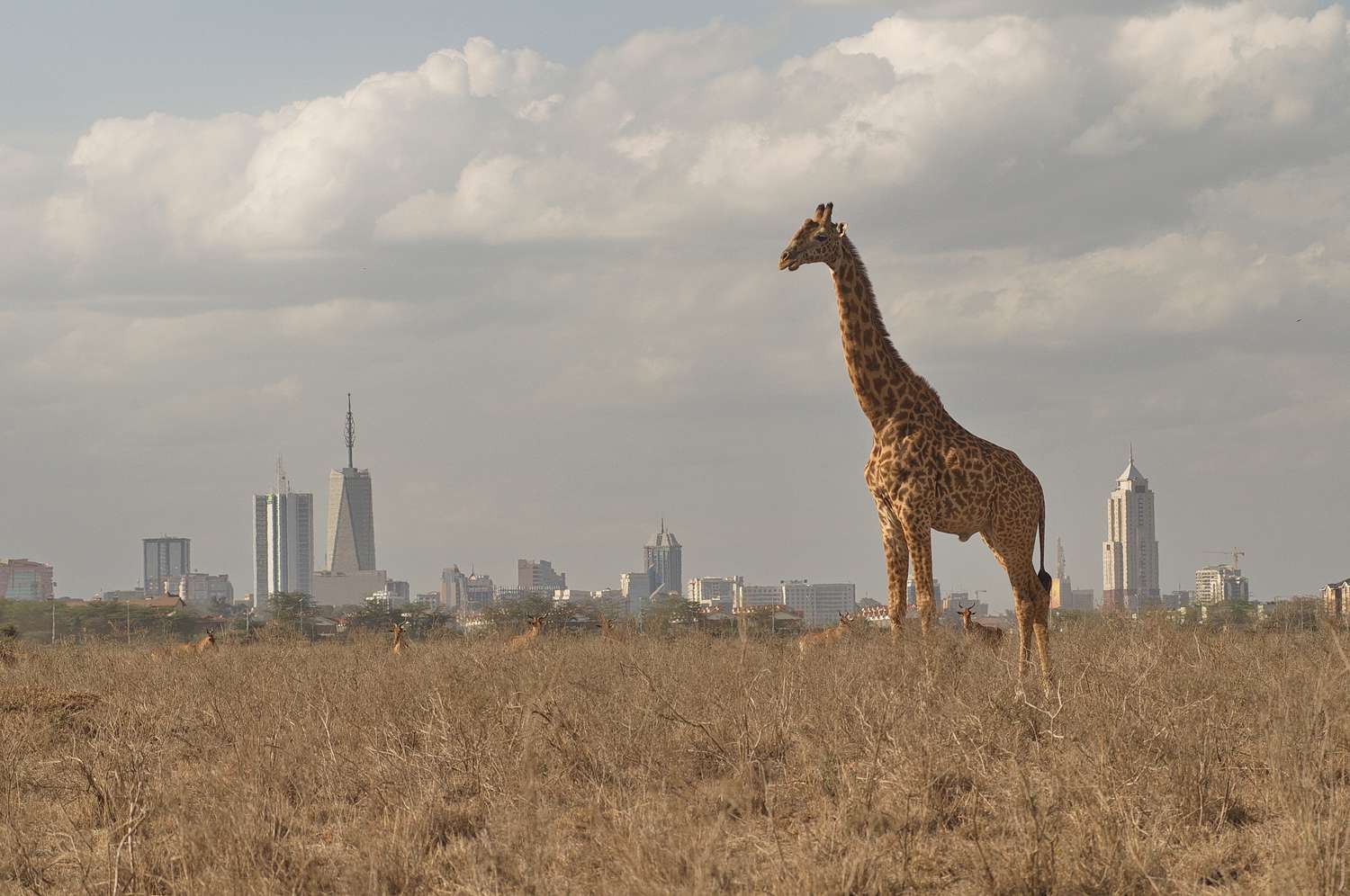
Yes. A museum visit can complement Nairobi National Park, the Giraffe Centre or a scheduled conservation experience. The strongest combination depends on the traveler’s interests and available time.
An early-morning game drive in Nairobi National Park can be followed by an afternoon at Karen Blixen Museum or Bomas of Kenya. Alternatively, Nairobi National Museum can be combined with Karura Forest or another city attraction.
Visitors should resist placing too many activities into one day. Nairobi National Park deserves at least a focused half-day, while a major museum requires enough time for its exhibitions.
Travelers can explore additional wildlife destinations through our Kenya national parks guide.
When Is the Best Time to Visit Nairobi Museums?
Nairobi’s museums can generally be visited throughout the year. They are especially useful during rainy weather or as quieter activities before and after a demanding safari.
Weekday mornings may provide a calmer experience, although school groups and special events can affect visitor numbers. Weekends and public holidays may be busier.
Travelers should check for planned closures, maintenance, public events or changes to admission hours. Information should be reconfirmed shortly before the visit rather than relying entirely on an old travel article.
Museum Admission, Photography and Guided Tours
Admission categories may differ for Kenyan citizens, residents, international visitors, adults and children. Identification or proof of residency may be required when purchasing specific ticket categories.
Photography policies differ among institutions and exhibitions. Flash, tripods, professional equipment or commercial filming may require additional permission. Never assume that paying admission automatically allows unrestricted photography.
A knowledgeable guide can improve the experience by explaining historical context, translating unfamiliar terminology and answering questions. However, visitors should also read exhibit labels and allow time for independent reflection.
Accessibility and Family Considerations
Accessibility varies between modern museum buildings, historic houses and outdoor exhibits. Travelers using wheelchairs or requiring step-free access should contact the institution in advance.
Families should consider the attention span and interests of younger visitors. Nairobi National Museum offers varied subjects, while railway exhibits may appeal to children interested in machinery and transport.
Parents must supervise children around outdoor equipment, reptiles, stairs and delicate exhibits. Food and drinks should only be consumed in designated areas.
How to Visit Nairobi Museums Safely
Use reputable transportation and group nearby attractions where possible. Nairobi traffic can be unpredictable, so allow generous time between fixed appointments.
Keep phones, wallets and cameras discreet outside controlled attraction grounds. Avoid unnecessary walking after dark and obtain local advice before exploring unfamiliar city-centre routes.
Monitor local news and avoid demonstrations or large political gatherings. If attending an evening event, arrange the return vehicle before leaving the hotel.
Why Museums Improve an East African Safari
Wildlife safaris become more meaningful when travelers understand the people, history and scientific research connected with the destinations they visit. Museum exhibitions can explain human relationships with landscapes, animals, trade and political change.
Nairobi National Museum provides context for Kenya’s communities and biodiversity, while the Railway Museum explains how transport transformed the capital. Karen Blixen Museum opens discussion about colonial history, and Nairobi Gallery presents artistic responses to cultural change.
This knowledge helps travelers look beyond wildlife checklists and develop a more complete appreciation of East Africa.
Why Choose Ngeye Uganda Tours for Nairobi Museum Visits?
Ngeye Uganda Tours can integrate Nairobi’s museums into personalized city stays and longer safaris across Kenya, Uganda, Rwanda and Tanzania.
Our planning considers opening arrangements, travel time, visitor interests and suitable attraction combinations. This prevents the itinerary from becoming an unrealistic list of stops separated by heavy traffic.
Museum interpretation should remain balanced and respectful. Colonial history, cultural identity and human origins deserve thoughtful discussion rather than simplified promotional descriptions.
Browse our safari packages or contact Ngeye Uganda Tours to request a personalized Nairobi cultural and safari itinerary.
Frequently Asked Questions About Nairobi Museums
What museums can I visit in Nairobi?
Leading choices include Nairobi National Museum, Karen Blixen Museum, Nairobi Gallery and Nairobi Railway Museum. The Kenya National Archives and Bomas of Kenya offer additional heritage experiences but are not conventional museums.
What is the best museum for a first-time visitor?
Nairobi National Museum offers the broadest introduction to Kenya’s history, culture, human origins, art and natural heritage.
How long do I need at Nairobi National Museum?
Allow at least two hours. Visitors with strong interests in archaeology, cultural history or natural science may prefer three hours or more.
Is the Snake Park part of Nairobi National Museum?
It is located within the wider museum grounds but may have separate admission arrangements. Current ticket options should be confirmed before visiting.
Is Bomas of Kenya a museum?
Bomas is better described as a cultural centre or living-heritage attraction. It presents traditional architecture, music and dance rather than operating solely through static museum galleries.
Can I visit Karen Blixen Museum and the Giraffe Centre together?
Yes. Both are located in the broader Karen and Lang’ata area and can be included in the same day with realistic transfer times.
Are Nairobi museums suitable for children?
Yes. Nairobi National Museum and the Railway Museum may be particularly engaging, although parents should choose exhibits according to children’s ages and interests.
Are Nairobi museums open throughout the year?
Many operate year-round, but individual opening days, hours and holiday arrangements can change. Confirm current information directly with the institution.
Can I take photographs inside Nairobi museums?
Policies differ by institution and exhibition. Flash, tripods, commercial photography and filming may require permission or additional payment.
Can Nairobi museums be combined with a safari?
Yes. Museum visits can be combined with Nairobi National Park or included before continuing to Amboseli, Lake Nakuru, Samburu, Tsavo or the Maasai Mara.