What Wildlife Can You See in Amboseli National Park?
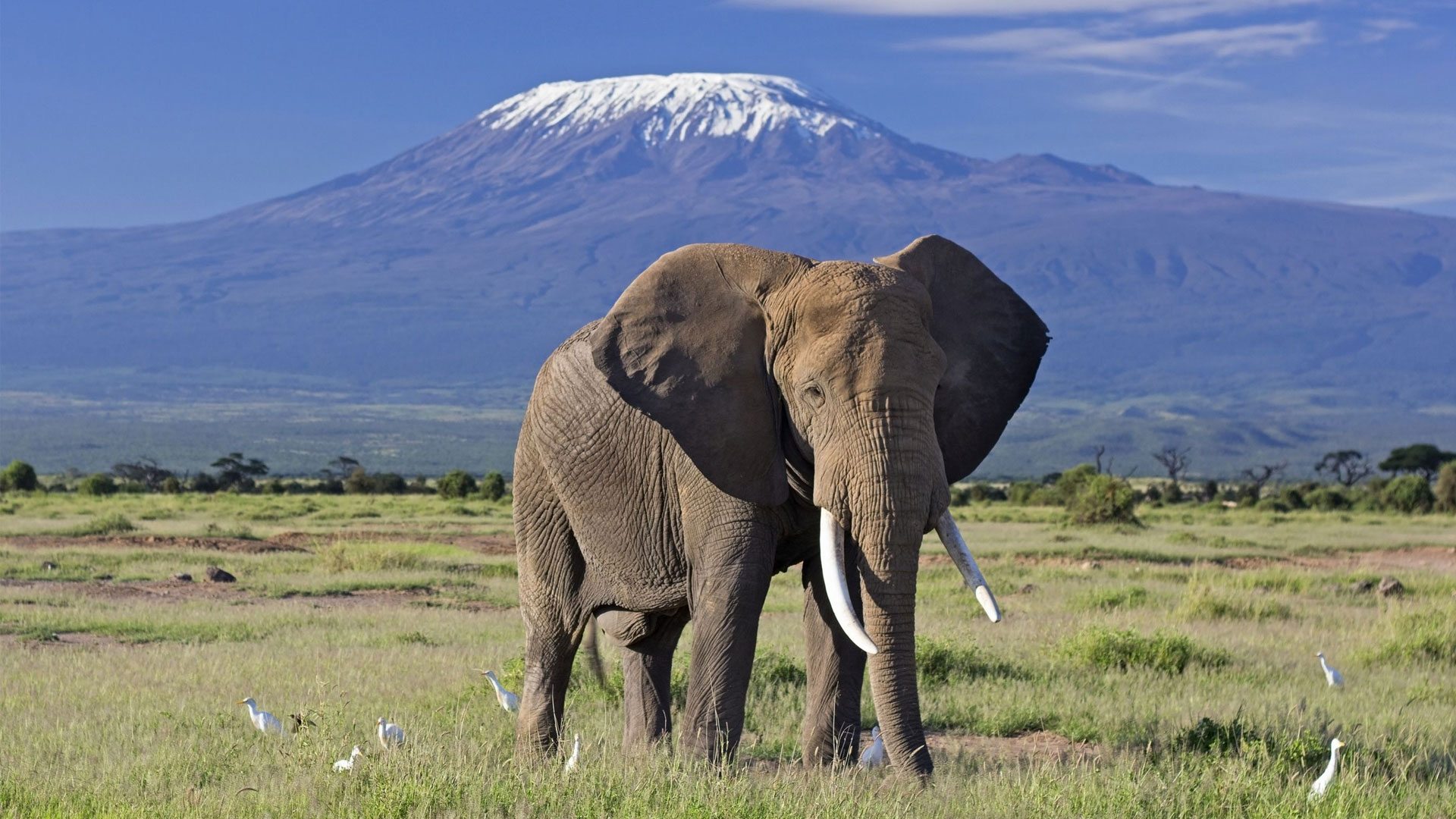
At first light, Amboseli’s plains appear almost empty. Then movement begins to emerge from the landscape: a procession of elephants leaving the wetlands, zebras grazing in the golden grass and giraffes browsing beneath scattered acacia trees. If the morning is clear, Mount Kilimanjaro rises beyond them, completing one of East Africa’s most recognizable safari scenes.
So, what wildlife can you see in Amboseli National Park? Elephants are the park’s signature animals, but visitors may also encounter buffaloes, giraffes, zebras, wildebeests, hippos, gazelles, lions, spotted hyenas and an impressive variety of birds. Cheetahs, servals and several smaller predators also inhabit the ecosystem, although they are less frequently observed.
Located in southern Kenya near the Tanzanian border, Amboseli National Park contains open plains, seasonal lakebeds, acacia woodland and remarkably productive wetlands. This mixture of habitats supports a diverse wildlife community within a relatively compact safari destination.
Wildlife sightings always depend on weather, season, water availability and animal movement. Nevertheless, Amboseli’s open terrain and dependable swamps make it one of the most rewarding destinations for first-time visitors, families and wildlife photographers planning Kenya safaris.
Which Animals Are Most Commonly Seen in Amboseli?
Amboseli is not a destination where every animal appears in the same place. Each habitat supports a different collection of species, and conditions change throughout the day. Understanding these habitats makes a game drive more interesting because travelers begin to see how water, grass and shelter shape wildlife movement.
| Wildlife group | Animals you may encounter | Typical habitat |
|---|---|---|
| Large mammals | Elephants, buffaloes, giraffes, hippos and elands | Wetlands, grasslands and woodland edges |
| Plains game | Zebras, wildebeests, gazelles, impalas and warthogs | Open grasslands and seasonal plains |
| Predators | Lions, spotted hyenas, jackals and occasionally cheetahs | Open plains, woodland edges and areas with abundant prey |
| Primates and smaller mammals | Olive baboons, vervet monkeys, mongooses and smaller nocturnal species | Woodland, lodge surroundings and bushy habitats |
| Birdlife | Herons, pelicans, flamingos, crowned cranes, ostriches, secretarybirds and raptors | Wetlands, plains, lakebeds and acacia woodland |
These species belong to a living ecosystem rather than a checklist. Some will be encountered regularly, while others may remain hidden throughout an entire visit. Several game drives provide a better understanding of the park than attempting to see everything during one hurried outing.
Why Are Elephants the Stars of Amboseli?
Elephants define the identity of Amboseli. Family herds can often be observed crossing open plains, feeding in wetlands or moving in single file between water and drier grazing areas.
The park’s open landscape gives visitors an unusual opportunity to observe complete elephant families. A herd may include an experienced matriarch, her adult daughters, juveniles and young calves protected within the group.
Watching these animals for more than a few minutes reveals far more than their impressive size. Elephants greet one another, touch with their trunks, guide inexperienced calves and remain attentive to changes in their surroundings.
A Living Centre of Elephant Research
Amboseli is also globally important for scientific research. The Amboseli Elephant Research Project was established in 1972 and has followed individually identified elephants across generations.
Long-term monitoring has helped researchers understand elephant social relationships, communication, leadership, reproduction and responses to environmental change. Knowledgeable guides can use this research to explain the behavior guests observe during a safari.
The wider ecosystem is also associated with a small number of exceptionally large-tusked elephants. These rare individuals move freely across an extensive landscape and should never be advertised as guaranteed sightings.
What Wildlife Lives Around Amboseli’s Wetlands?
Amboseli’s wetlands are among its most important ecological features. Water moving through the wider Kilimanjaro landscape helps sustain swamps within an otherwise semi-arid environment.
During a drive beside the wetlands, travelers may see elephants standing among tall green vegetation, buffaloes resting near muddy edges and hippos remaining partly submerged. Waterbucks and other antelopes may feed nearby, while zebras and wildebeests approach the surrounding grasslands.
The contrast can be dramatic. Beyond the bright green swamp lies a dusty plain that may appear almost desert-like. This meeting of wet and dry habitats concentrates wildlife and gives Amboseli much of its visual character.
Birdlife Around the Water
The wetlands attract pelicans, egrets, herons, ibises, African jacanas and other water-dependent birds. Crowned cranes may forage through marshy areas, while birds of prey survey the landscape from above.
Flamingos may appear when local water and feeding conditions are suitable, but their presence and abundance vary. They should be treated as a possible highlight rather than a permanent feature of every safari.
Travelers especially interested in birds can incorporate Amboseli into a professionally guided East African birding safari.
Which Grazing Animals Roam the Open Plains?
Amboseli’s grasslands support the herbivores that form the foundation of its predator-prey relationships. Zebras and wildebeests frequently share grazing areas, while Thomson’s and Grant’s gazelles favor open country where they can detect approaching danger.
Giraffes browse from acacia trees and other woody vegetation, their height making them visible from long distances. Buffaloes may appear in substantial groups near wetlands or move onto open grazing areas as conditions change.
Other possible herbivore sightings include elands, impalas, waterbucks, warthogs and smaller antelopes. Each species uses the landscape differently, reducing competition and creating a complex ecological community.
Why Are Zebras and Wildebeests Often Seen Together?
Zebras and wildebeests frequently graze in the same areas because they feed in complementary ways. Zebras can crop tougher, taller grasses, while wildebeests often select shorter growth.
Mixed groups may also benefit from having more animals watching and listening for predators. Observing these relationships helps visitors appreciate that a safari is about more than identifying individual species.
Are Lions Common in Amboseli?
Lions live in the Amboseli ecosystem and are among its most exciting predators. They may be observed resting beneath vegetation, walking across the plains or watching potential prey during the cooler hours of morning and late afternoon.
However, lion sightings are generally less predictable than elephant encounters. Lions can remain inactive and well concealed for much of the day, particularly during hot weather.
A skilled guide looks for tracks, alarm calls, circling vultures and changes in herbivore behavior. These clues may reveal a predator that is otherwise difficult to notice.
What Other Predators Can Be Seen?
Spotted hyenas are important members of the Amboseli ecosystem. Although popularly described as scavengers, they are capable hunters with sophisticated social structures.
Black-backed jackals may be seen traveling alone or in pairs across open terrain. Cheetahs also occur in the wider ecosystem, especially where open ground provides space for high-speed hunting, but sightings are less frequent.
Servals, caracals and other small carnivores inhabit the area but are elusive. Encountering one is an exceptional moment rather than a standard part of every itinerary.
Safari expectation: Amboseli is exceptionally reliable for elephants and general plains wildlife. Predators are present, but travelers primarily focused on dense big-cat viewing may consider combining Amboseli with the Masai Mara National Reserve.
What Smaller Animals Might Visitors Overlook?
The largest animals naturally command attention, but some of Amboseli’s most enjoyable sightings involve smaller creatures. Olive baboons and vervet monkeys can be encountered around wooded areas, while mongooses move quickly through grass and scrub.
Warthogs often feed close to the ground before running away with their tails held upright. Dwarf mongooses, hares and numerous rodents contribute to the ecosystem, although they are easily overlooked from a moving vehicle.
Reptiles, insects and amphibians also play vital roles. Termites recycle plant material and construct mounds used by other animals, while snakes and lizards help regulate smaller prey populations.
Slowing down and examining the landscape carefully often produces a more rewarding experience than racing between the most famous mammals.
Is Amboseli a Big Five Destination?
Amboseli offers several members of the Big Five, most notably elephants, lions and buffaloes. Leopards are present in the wider landscape but are secretive and rarely seen. Rhinoceroses should not be expected as a standard Amboseli sighting.
Travelers should therefore choose Amboseli for its elephants, open scenery, wetlands, birdlife and Kilimanjaro views rather than for the purpose of checking all five animals from a list.
A multi-park itinerary can provide a broader range of habitats and improve opportunities to observe additional species. The Masai Mara is a natural complement for travelers seeking more intensive predator viewing.
When Is the Best Time to See Wildlife in Amboseli?
Amboseli provides rewarding wildlife viewing throughout the year, but the appearance of the park and distribution of animals change with rainfall.
Dry-Season Safaris
The generally drier periods from June to October and January to February are popular for game viewing. Vegetation is often shorter, and animals may concentrate around reliable wetlands.
Road conditions are normally easier, although dust can affect photography and distant views. Early morning may provide the clearest opportunity to see Mount Kilimanjaro before cloud develops around the mountain.
Green-Season Safaris
Rainfall from approximately March to May and again around November can transform the park. Fresh grass, dramatic skies and active birdlife create attractive photographic conditions.
Wildlife may spread more widely when temporary water becomes available, and some roads can become muddy after heavy rain. Visitor numbers may also be lower than during popular dry-season periods.
Seasonal patterns are approximate. Current weather and wildlife movement should be considered when planning a safari.
What Is the Best Time of Day for an Amboseli Game Drive?
Early morning and late afternoon generally offer the most comfortable temperatures and attractive photography light. Animals may also be more active during these cooler periods.
Morning is particularly valuable for travelers hoping to see Mount Kilimanjaro. The summit is often clearest shortly after sunrise, although visibility cannot be guaranteed.
Midday still has value, particularly around wetlands. Elephants, buffaloes, hippos and birds remain present, while some predators may be found resting in shade.
How Many Days Do You Need in Amboseli?
One night: Appropriate for a very limited schedule, although travel time reduces opportunities for relaxed wildlife observation.
Two nights: A good introduction with morning and afternoon game drives.
Three nights: Recommended for photographers, birdwatchers and travelers seeking a slower pace.
Four or more nights: Suitable for specialist wildlife interests and deeper exploration of the wider ecosystem.
Staying at least two nights gives visitors more than one chance to see Kilimanjaro clearly and allows different areas of the park to be explored without rushing.
How Can Travelers Enjoy Wildlife Responsibly?
Amboseli’s animals are wild and should always control the encounter. Vehicles must maintain an appropriate distance, avoid blocking an animal’s path and remain on authorized routes.
Visitors should speak quietly, keep all waste inside the vehicle and follow their guide’s instructions. Feeding animals is harmful and can change their natural behavior.
Responsible photography is equally important. No image justifies surrounding an animal, separating a mother from her young or pressuring a guide to violate park regulations.
Conservation in Amboseli also depends on surrounding communities because elephants and other animals move beyond the national park. Tourism choices that support ethical operators, community initiatives and conservation-minded accommodation can contribute positively to the wider landscape.
Can Amboseli Be Combined with Other East African Destinations?
Amboseli combines naturally with the Masai Mara, giving travelers two contrasting experiences: elephants and Kilimanjaro scenery in Amboseli, followed by broader predator-viewing opportunities on the Mara plains.
Visitors can also connect their Kenyan journey with Uganda safaris or Rwanda safaris. These combinations can include gorilla trekking, chimpanzee tracking, birdwatching and cultural activities.
A multi-country itinerary creates a wider understanding of East Africa by combining savannah wildlife with tropical forests, mountain landscapes and primate encounters.
Why Explore Amboseli with Ngeye Uganda Tours?
Ngeye Uganda Tours creates personalized East African itineraries for travelers who want more than a rushed wildlife checklist. We match the number of safari days, accommodation style, transport and guiding arrangements to each client’s interests and budget.
Our itineraries can focus on elephant photography, family travel, birdwatching, honeymoons or extended regional exploration. We also help clients combine Amboseli with other destinations across Kenya, Uganda, Rwanda and Tanzania.
Most importantly, we establish realistic expectations. Wildlife remains free-ranging, weather changes quickly and no ethical tour operator can guarantee a particular sighting. Thoughtful planning, experienced guiding and sufficient time in the destination provide the best foundation for an unforgettable safari.
Let Amboseli Surprise You
From elephants in the wetlands to lions on the plains and birds above the seasonal lake, every game drive reveals a different side of Amboseli.
Frequently Asked Questions About Amboseli Wildlife
What animals are most common in Amboseli?
Elephants, zebras, wildebeests, giraffes, buffaloes, gazelles, warthogs and hippos are among the animals commonly observed. Actual sightings depend on season and daily movement.
Are lions found in Amboseli?
Yes. Lions live in the Amboseli ecosystem, but they are less predictable than elephants and may remain hidden during the warmer parts of the day.
Can I see cheetahs in Amboseli?
Cheetahs occur in the ecosystem and may be seen in open areas, although encounters are occasional and cannot be guaranteed.
Is Amboseli good for seeing elephants?
Yes. Amboseli is considered one of Africa’s most rewarding destinations for observing free-ranging elephant families in open landscapes.
Can I see the Big Five in Amboseli?
Amboseli supports elephants, lions and buffaloes. Leopards are elusive, and rhinoceroses should not be expected as a regular sighting. Travelers seeking all five should consider a multi-park itinerary.
How many bird species are found in Amboseli?
More than 400 bird species have been recorded in the wider ecosystem. The wetlands are especially productive for waterbirds, while grasslands support ostriches, secretarybirds and numerous raptors.
What is the best time to visit Amboseli for wildlife?
The drier periods from June to October and January to February generally offer easy wildlife viewing. The wetter months provide greener scenery, active birdlife and potentially fewer visitors.