Best Time to Visit Nairobi
The best time to visit Nairobi depends on whether your priorities are wildlife viewing, birdwatching, cultural exploration, photography or comfortable outdoor conditions. For most travelers, the generally drier periods from January to February and June to October offer the easiest conditions for game drives, city tours and regional safari connections. However, Nairobi remains a rewarding year-round destination.
Nairobi’s elevation gives it a milder climate than many travelers expect from an equatorial African city. Early mornings and evenings can feel cool, particularly between June and August. Rainfall commonly follows two broad patterns: the “long rains” from approximately March to May and the “short rains” from around October or November into December. These patterns are not exact, and climate variability can produce earlier, later or unusually intense rainfall.
Dry periods may improve wildlife visibility in Nairobi National Park because vegetation can be shorter and road conditions more predictable. Green months create lush landscapes, dramatic skies and excellent birding opportunities, although heavy rain may disrupt traffic or affect selected park tracks.
Nairobi also offers museums, restaurants, galleries, conservation centres and cultural attractions throughout the year. Ngeye Uganda Tours can plan a Nairobi stay around your dates and connect it with other destinations through our East African safari packages.
Nairobi Seasons at a Glance
| Travel Period | Typical Conditions | Best For | Possible Drawback |
|---|---|---|---|
| January–February | Generally warm and relatively dry | Wildlife, photography, city sightseeing and safari connections | Popular dates may require early accommodation booking. |
| March–May | Long-rains period with greener landscapes | Birding, museums, photography and quieter travel | Heavy rain can cause traffic disruption, flooding or muddy park tracks. |
| June–August | Usually dry but cooler, especially early and late in the day | Game drives, walking activities and longer Kenya safari circuits | Morning temperatures may feel surprisingly cold. |
| September–October | Often warmer, with generally favorable outdoor conditions before heavier rains | Wildlife, photography and city exploration | Seasonal transition can make rainfall less predictable. |
| November–December | Short-rains period with intermittent showers | Green scenery, birdwatching and cultural attractions | Rain and holiday traffic can affect transfers. |
What Is Nairobi’s Climate Like?
Nairobi lies at a relatively high elevation, which moderates temperatures throughout the year. Days can feel pleasantly warm, while mornings, evenings and overcast periods may be cool. The difference between daytime and nighttime conditions makes layered clothing more practical than packing only hot-weather safari clothes.
Rain often falls in showers or thunderstorms rather than continuing evenly throughout every day. A rainy-season visit can still include productive outdoor activities, but itineraries should remain flexible. Heavy rainfall may cause temporary flooding, slower traffic and access challenges on unpaved roads.
Seasonal labels are only general planning tools. The beginning and end of the rains vary between years, and isolated showers can occur in normally dry months. Travelers should review a reliable short-term weather forecast close to departure.
Best Time to Visit Nairobi for Wildlife Viewing
Nairobi National Park can be visited throughout the year, but January to February and June to October commonly provide favorable wildlife-viewing conditions. Drier weather may reduce vegetation density and improve access along park roads.
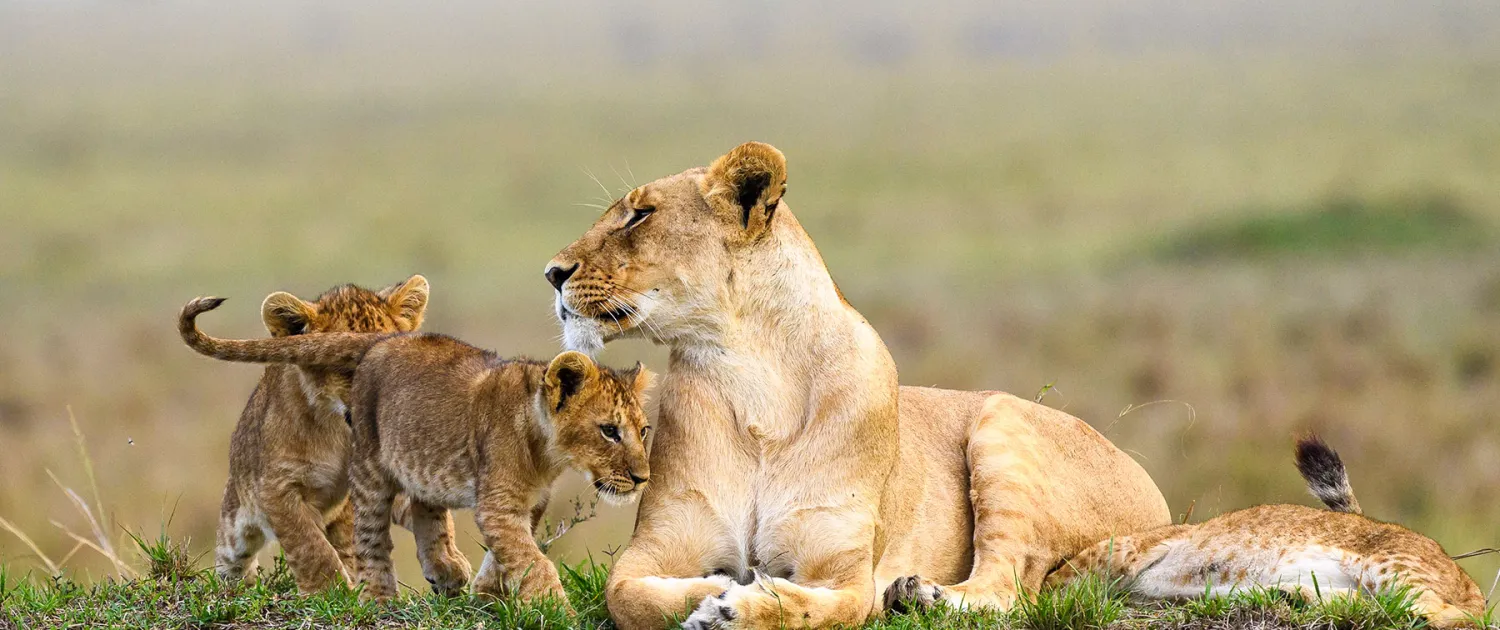
Lions, black and white rhinos, buffaloes, Masai giraffes, plains zebras, elands, hartebeests, impalas, warthogs and spotted hyenas may be encountered. Leopards, cheetahs and servals occur but are more elusive.
Wild elephants are not normally resident in Nairobi National Park. The park is therefore generally regarded as a Big Four rather than a complete Big Five destination. Travelers seeking wild elephants can combine Nairobi with Amboseli, Tsavo, Samburu or another suitable park.
Does the Dry Season Guarantee Better Sightings?
No season guarantees wildlife sightings. Shorter vegetation may improve visibility, but animals continue to move according to water, food, temperature and disturbance. A skilled guide can interpret current conditions and select productive routes, but cannot control animal behavior.
Green-season wildlife viewing can also be rewarding. Lush vegetation creates colorful backgrounds, newborn animals may occasionally be present and fewer vehicles can produce a quieter experience.
Best Time of Day for Nairobi National Park
Early morning is generally the preferred time for a Nairobi National Park game drive. Temperatures are cooler, bird activity is often high and predators may still be moving following the night. Morning light can also be favorable for photography.
An afternoon drive can work well for travelers with morning meetings, flights or city activities. Wildlife activity may increase as daytime temperatures begin to fall, while late-afternoon light can create warm photographic conditions.
Midday is not automatically unproductive. Rhinos, giraffes, zebras and other herbivores may still be visible, but predators are more likely to rest during warmer conditions.
Official opening and closing requirements must always be followed. Nairobi traffic should also be considered when planning pickup and return times.
Best Time to Visit Nairobi for Birdwatching
Nairobi is a rewarding birding destination throughout the year. More than 400 resident and migratory bird species have been recorded in the Nairobi National Park environment, while Karura Forest, Nairobi Arboretum and other green spaces add woodland and urban species.
The wetter and greener months can be particularly rewarding because seasonal conditions increase food availability and migratory species may be present. However, exact migration timing varies, and heavy rain can temporarily interrupt a birding excursion.
Potential sightings in Nairobi National Park include secretarybirds, ostriches, grey crowned cranes, martial eagles, augur buzzards, herons, egrets, kingfishers and numerous grassland species.
Early morning is normally the strongest period for bird activity. Dedicated birdwatchers should consider a private excursion that can move slowly and spend additional time near wetlands, woodland edges and productive grassland.
Best Time to Visit Nairobi for Photography
Wildlife photographers often favor drier months because roads may be easier and animals can be more visible in shorter vegetation. However, green-season photography offers saturated landscapes, dramatic clouds and softer backgrounds.
Clear early mornings may provide the strongest opportunities to photograph wildlife against Nairobi’s skyline. Nevertheless, skyline visibility depends on haze, weather, light, route and the animals’ location.
Rain can create reflections and atmospheric scenes but requires protection for cameras and lenses. Photographers should carry a water-resistant cover, cleaning cloths, charged batteries and sufficient memory cards.
No operator can guarantee specific animals, behavior or photographic compositions. Patience and realistic expectations remain essential.
Best Time for Nairobi’s Museums and Cultural Attractions
Nairobi’s museums, galleries, restaurants, markets and cultural centres can be visited throughout the year. These attractions make the city valuable even when rain affects outdoor plans.
Nairobi National Museum introduces Kenya’s history, communities, human origins, art and natural heritage. Karen Blixen Museum explores literary history and the colonial period, while Nairobi Gallery combines art with the history of a significant city building.
Bomas of Kenya presents traditional architecture, music and dance through curated cultural programs. Performance schedules may change, so travelers should confirm what will be available.
During rainy months, museums and food experiences can be arranged around the forecast. However, heavy rainfall may still increase traffic, so additional transfer time is necessary.
Month-by-Month Guide to Visiting Nairobi
January
January is commonly warm and relatively dry. It is a strong month for game drives, city tours and onward journeys to other Kenyan parks. Accommodation around popular travel dates should be reserved early.
February
February generally continues the warm, drier pattern. Wildlife viewing, photography and outdoor attractions can be rewarding. Travelers should still carry sun protection and a light layer for early departures.
March
March is a transitional month, and long rains may begin. Conditions can vary considerably, ranging from dry mornings to heavy thunderstorms. Flexible itineraries become increasingly important.
April
April commonly falls within the wetter long-rains period. Landscapes are green, birding can be productive and museums provide useful alternatives during showers. Road and traffic disruption is possible following intense rainfall.
May
Rain may continue during May, although patterns vary. Visitors can enjoy green scenery and potentially fewer safari vehicles, but should avoid constructing tightly timed transfer schedules.
June
June often marks the transition toward drier and cooler conditions. It can be an excellent month for game drives and regional safari travel. Morning layers become increasingly important.
July
July is usually among Nairobi’s coolest months. Conditions can be overcast or chilly in the morning, but rainfall is often limited. Pack a fleece or warm jacket for an early safari.
August
August commonly remains cool and relatively dry. It is a popular period for Kenya safaris, which may increase demand for accommodation, vehicles and domestic flights.
September
September often becomes warmer while maintaining favorable outdoor conditions. It is an excellent month for combining Nairobi with Kenya’s wider safari circuit.
October
October is a transitional month. Early weeks may remain relatively dry, while showers can become more frequent as the short rains approach. Conditions differ from year to year.
November
November commonly receives short rains. Landscapes become greener and birdwatching can be rewarding. Showers may be intermittent, but heavy rain can affect traffic and outdoor schedules.
December
December may combine showers, warm conditions and busy holiday travel. Museums, wildlife attractions and restaurants remain available, but accommodation and transfers should be reserved early around festive dates.
Which Season Is Best for Different Nairobi Activities?
| Activity | Generally Favorable Period | Important Note |
|---|---|---|
| Wildlife game drives | January–February and June–October | The park is rewarding year-round, and sightings cannot be guaranteed. |
| Birdwatching | Year-round, with strong opportunities in greener and migratory periods | Rain can temporarily interrupt outdoor observation. |
| Wildlife photography | Dry months for visibility; wet months for green scenery | The ideal period depends on the desired visual style. |
| Museums and galleries | All year | Confirm operating hours, exhibitions and holiday closures. |
| Walking and cycling | Generally drier months | Trails may be muddy following rain. |
| Multi-park Kenya safari | June–October and January–February | Peak demand may require earlier booking. |
Is the Rainy Season a Bad Time to Visit Nairobi?
No. The rainy season is not automatically a poor time to visit. Showers may be followed by clear periods, and the greener landscape can be attractive for birding and photography.
Museums, galleries, restaurants and cultural experiences remain available. Fewer leisure visitors may create a quieter atmosphere at selected attractions, although conferences and business travel can still affect hotel demand.
The principal disadvantage is uncertainty. Heavy rain can slow traffic, flood low-lying roads or make some park tracks difficult. Travelers should avoid very tight airport connections and should follow weather alerts.
Does Nairobi Have a Peak Tourism Season?
Demand commonly increases during periods associated with favorable safari conditions and international holiday schedules. July through October, the Christmas and New Year period and selected school-holiday dates can be busy.
Accommodation, private vehicles and regional flights may become limited during popular periods. Early booking is particularly important when Nairobi is only the first stage of a Maasai Mara, Amboseli or multi-country safari.
Lower demand cannot be assumed simply because rain is forecast. Nairobi is also a major centre for business travel, government activity, conferences and international organizations.
What Should You Pack for Nairobi in Different Seasons?
Dry and Warmer Periods
Pack lightweight clothing, a hat, sunscreen, sunglasses and a reusable water bottle. A light jacket remains useful for early-morning game drives and air-conditioned spaces.
Cooler June-to-August Period
Bring long trousers, a fleece or warm jacket and closed shoes. Layered clothing is better than one heavy garment because daytime temperatures can become more comfortable.
Rainy Periods
Carry a lightweight waterproof jacket, quick-drying clothing and shoes with suitable grip. Camera equipment should have rain protection, while important documents should remain in a waterproof pouch.
All-Year Essentials
Binoculars, personal medication, insect repellent, charged devices and secure copies of important documents are valuable throughout the year.
Combining Nairobi with Other Kenya Destinations
Nairobi’s transport connections make it a natural starting point for Kenya’s leading parks. Amboseli adds elephant herds and possible Mount Kilimanjaro views. Lake Nakuru offers rhinos, birdlife and Rift Valley scenery.
Samburu introduces northern Kenya’s dry landscapes and distinctive species, while Tsavo offers immense wilderness and famous red-dusted elephants. The Maasai Mara provides open plains, predators and seasonal migration experiences.
Travelers can explore these destinations through our verified Kenya national parks guide.
Combining Nairobi with Uganda, Rwanda or Tanzania
Nairobi can connect with Uganda for gorilla trekking, chimpanzee tracking and savannah wildlife; Rwanda for gorilla experiences and Akagera National Park; or Tanzania for Serengeti, Ngorongoro and other northern-circuit destinations.
The best regional travel period depends on all destinations rather than Nairobi alone. Gorilla trekking operates throughout the year, for example, but rainfall influences trail conditions. Migration experiences in Kenya and Tanzania also vary by month and rainfall.
A multi-country route should include realistic flight, border and transfer times. Attempting too many destinations within a short holiday reduces the quality of the experience.
Why Choose Ngeye Uganda Tours for Nairobi Travel Planning?
Ngeye Uganda Tours creates personalized journeys based on travel dates, interests, budget and comfort preferences. Nairobi can be included as a half-day safari, city stay, airport stopover or introduction to a longer East African itinerary.
Seasonal planning considers wildlife interests, road conditions, likely rainfall, accommodation demand and onward travel. Because weather and animal behavior are never completely predictable, flexibility is built into responsible itinerary design.
We avoid guaranteeing particular sightings, weather or migration events. Instead, we provide realistic guidance and organize suitable services for the selected period.
Browse our safari packages or contact Ngeye Uganda Tours for a customized Nairobi and East Africa itinerary.
Frequently Asked Questions About the Best Time to Visit Nairobi
What is the best month to visit Nairobi?
January, February, June, September and October commonly offer favorable outdoor conditions. The ideal month still depends on the traveler’s activities and wider itinerary.
What is the best time for a Nairobi National Park safari?
Generally drier periods from January to February and June to October can improve visibility and road conditions. The park remains accessible and rewarding year-round.
When is Nairobi’s rainy season?
The long rains commonly occur from March to May, while shorter rains are generally associated with October or November into December. Timing and intensity vary between years.
Is Nairobi cold in July?
July can feel cool, particularly during early mornings, evenings and overcast periods. A fleece or warm jacket is recommended for early game drives.
Is April a good time to visit Nairobi?
April can offer green landscapes, productive birding and museums, but it commonly falls within the wetter long-rains period. Flexible schedules are important.
When is the best time for birdwatching in Nairobi?
Birding is possible year-round. Greener and migratory periods can increase diversity, while early morning is generally the best time of day.
Can I visit Nairobi during the wet season?
Yes. Cultural attractions remain available, and wildlife excursions can still be rewarding. Travelers should prepare for rain and possible traffic or road disruption.
When is Nairobi busiest?
Demand may increase during popular safari months, international holidays and major business or conference events. Availability should be checked for the specific dates.
How many days should I spend in Nairobi?
One day covers a focused attraction or half-day safari, while two or three days allow a more balanced combination of wildlife, museums, conservation and culture.
Are wildlife sightings guaranteed during the dry season?
No. Wildlife remains free-ranging, and sightings depend on natural movement, weather, vegetation, water and time of day.