Why Is Gorilla Habituation Important for Conservation?
Why is gorilla habituation important for conservation? Gorilla habituation helps trained conservation teams study, monitor and protect wild gorilla families while gradually allowing selected groups to become accustomed to the controlled presence of people. When responsibly managed, the process supports scientific research, veterinary monitoring, ranger protection, conservation education and carefully regulated tourism.
Gorilla habituation is not a quick introduction between humans and wild animals. It is a gradual process that may take several years. Researchers, trackers, rangers and veterinary professionals repeatedly observe a selected gorilla family while following strict procedures designed to reduce fear, stress and disturbance.
Over time, the gorillas may become more tolerant of the predictable presence of trained conservation teams. A family is only opened to regular tourism after specialists determine that it can be visited safely and responsibly.
In Uganda, the public Gorilla Habituation Experience is associated with Bwindi Impenetrable National Park. Visitors join authorized professionals in the forest and may spend an extended regulated period observing a gorilla family involved in the habituation process.
This experience should not be confused with ordinary gorilla trekking. Standard trekking normally involves a fully habituated family and a shorter regulated observation period. The habituation experience offers more time in the forest and a deeper look at conservation monitoring, but visitors must still follow every instruction provided by the responsible wildlife authority.
What Is Gorilla Habituation?
Gorilla habituation is the carefully managed process through which a wild gorilla family gradually becomes familiar with the presence of trained human observers. The objective is not to domesticate the gorillas or change their natural behaviour.
The process allows conservation professionals to monitor a family more consistently without triggering continuous fear or aggressive defensive reactions. Teams approach cautiously, record the gorillas’ responses and maintain predictable conduct during each visit.
Habituation requires patience because individual gorillas react differently. A protective silverback may initially keep the family at a distance, while younger gorillas may display curiosity. Researchers must understand these reactions and avoid forcing the process.
The length of habituation depends on the family’s behaviour, location and response to observers. Conservation professionals determine when a group has reached an appropriate level of tolerance. Tourism demand should never be allowed to rush this decision.
How Does Gorilla Habituation Support Conservation?
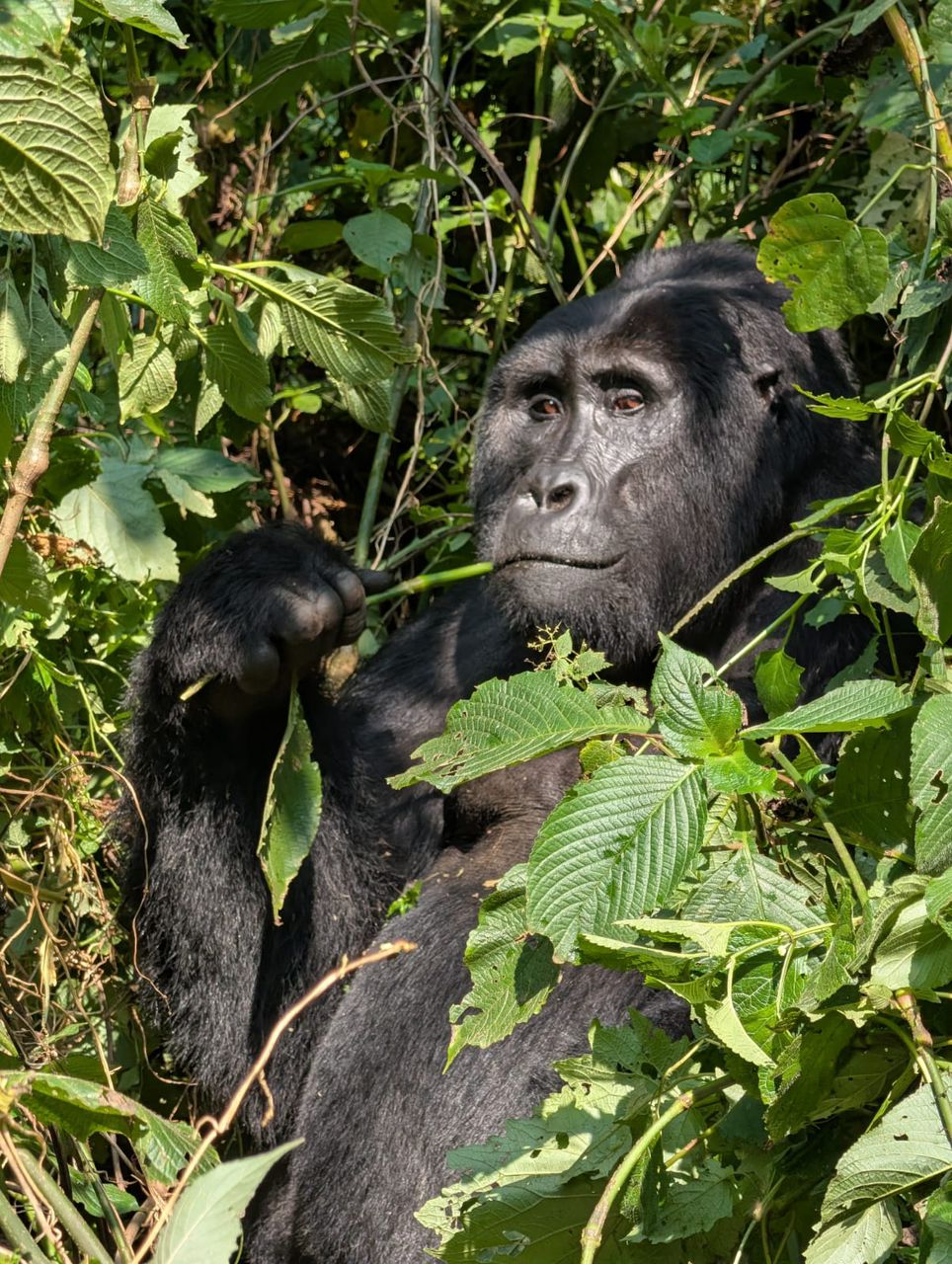
The conservation value of habituation extends beyond tourism. Regular observation can help trained teams collect information about gorilla health, reproduction, feeding, movement and social behaviour.
This information contributes to decisions about habitat protection, veterinary intervention and visitor management. It can also help conservation teams recognize unusual behaviour or signs of illness that may require closer investigation.
Scientific Monitoring and Research
Habituation allows researchers to recognize individual gorillas and study changes within a family over time. Identifying silverbacks, adult females, juveniles and infants makes it easier to document births, deaths, family transfers and leadership changes.
Long-term observations can improve understanding of gorilla diet, communication, ranging patterns and relationships. This knowledge supports evidence-based conservation rather than relying on assumptions about what gorillas need.
Health and Veterinary Monitoring
Mountain gorillas are vulnerable to disease, including illnesses that may be transmitted by humans. Regular monitoring helps trained teams identify possible injuries, respiratory symptoms or changes in behaviour.
Habituation does not remove the risk of disease transmission. Instead, it makes strict health precautions even more important. Visitor numbers, observation time, minimum distances and hygiene requirements must be carefully controlled.
Protection Against Poaching and Habitat Threats
Habituated and semi-habituated gorilla families receive regular attention from trackers and rangers. Teams moving through the forest may also detect snares, signs of illegal entry, habitat disturbance and other threats.
This regular presence strengthens surveillance, although habituation alone cannot eliminate poaching or encroachment. Effective conservation still requires ranger patrols, law enforcement, habitat management and cooperation with communities living near the protected forest.
Conservation Funding
Revenue from regulated gorilla permits contributes to the broader system responsible for managing protected areas. This can include ranger operations, visitor management, infrastructure, research and conservation activities.
Travelers should understand that permit revenue does not pay only for time spent with gorillas. It also supports the people and systems required to protect the forest before, during and after each visit.
What Are the Main Conservation Benefits?
Improved individual identification: Researchers can recognize gorillas and document changes within the family over time.
Behavioural research: Regular observation provides information about feeding, communication, reproduction, movement and social relationships.
Health monitoring: Trained professionals may identify injuries, illness symptoms or unusual behaviour requiring investigation.
Forest surveillance: Trackers and rangers regularly moving through the habitat can identify snares and other illegal activities.
Conservation finance: Carefully regulated tourism generates funding that contributes to protected-area management.
Community opportunities: Gorilla tourism can create employment and business opportunities around protected areas.
International awareness: Responsible encounters can inspire travelers to support gorilla and rainforest conservation.
Why Is Bwindi Important for Gorilla Habituation?
Bwindi Impenetrable National Park is one of the world’s most important mountain gorilla habitats. The UNESCO World Heritage Site protects an ancient rainforest within the Albertine Rift, an area known for exceptional biological diversity.
The park’s mountainous terrain, thick vegetation and varied elevation create a challenging but highly rewarding environment for gorilla conservation. Bwindi protects mountain gorillas alongside forest birds, butterflies, primates and numerous plant species.
Uganda’s public Gorilla Habituation Experience has been associated with designated families in the southern area of Bwindi. Availability, participating families and operating sectors may change according to conservation decisions.
Travelers should therefore confirm the current location of the experience before reserving accommodation. Bwindi has different sectors, and staying far from the assigned briefing point can create a difficult early-morning transfer.
What Happens During the Habituation Experience?
The day normally begins early with registration and a detailed briefing. Participants receive instructions about forest safety, gorilla behaviour, health precautions and responsible photography.
Authorized trackers, rangers and conservation professionals then lead the group into the forest. The search may take several hours because the gorillas move freely and are not positioned for visitors.
Once the designated family is located, participants may be allowed an extended regulated observation period under current conservation rules. The time is measured according to the responsible authority’s operating procedures and should always be confirmed when booking.
Visitors may observe feeding, resting, movement and social interaction. However, gorilla behaviour remains unpredictable, and the experience should never be treated as a staged wildlife performance.
How Is Gorilla Habituation Different from Gorilla Trekking?
| Experience | Gorilla Trekking | Gorilla Habituation |
|---|---|---|
| Gorilla family | A fully habituated family | A family undergoing a controlled habituation process |
| Observation period | A shorter regulated period after locating the family | An extended regulated period under current park rules |
| Experience style | Focused wildlife encounter | Longer forest experience with greater exposure to monitoring activities |
| Physical demand | Variable according to the gorillas’ location | Often requires greater endurance because of the longer forest day |
| Availability | Available through several designated trekking sectors | More limited and dependent on active conservation arrangements |
Does Gorilla Habituation Have Risks?
Gorilla habituation must be carefully managed because repeated human presence can create conservation risks. These include disease transmission, behavioural disturbance and increased vulnerability if gorillas become too tolerant of people with harmful intentions.
Habituation is therefore not automatically beneficial simply because it brings humans closer to gorillas. Its conservation value depends on strict scientific supervision, limited visitor numbers, trained personnel and responsible behaviour.
Disease Transmission
Gorillas are biologically close to humans and may be vulnerable to human respiratory infections and other illnesses. Visitors who are sick may be prevented from participating, even when they already hold a permit.
Travelers must follow the current health requirements issued by the responsible wildlife authority. These may include minimum viewing distances, mask requirements and restrictions on eating, drinking, coughing or sneezing near gorillas.
Behavioural Disturbance
Sudden movement, loud voices, crowding and ignoring ranger instructions can disturb gorillas. Visitors should remain calm and avoid attempting to attract a gorilla’s attention for photography.
Gorillas may approach closer than the recommended distance, but travelers should follow the ranger’s instructions instead of making independent decisions.
Overdependence on Tourism
Tourism revenue contributes to conservation, but protected areas should not depend on uncontrolled visitor growth. Conservation decisions must remain focused on gorilla welfare and habitat protection rather than maximizing permit sales.
How Do Local Communities Benefit?
Long-term gorilla conservation cannot succeed without cooperation from communities surrounding protected forests. These communities experience both the opportunities and challenges created by living near conservation areas.
Tourism can generate employment for guides, porters, lodge workers, drivers, craft producers and community tourism groups. Local businesses may also benefit from accommodation, food supplies, transportation and visitor services.
Community tourism experiences can introduce visitors to local music, storytelling, crafts, farming and cultural heritage. These activities should be community-led, fairly compensated and presented respectfully.
Economic benefits can strengthen support for conservation, but tourism alone cannot resolve every community concern. Responsible conservation must also consider land pressure, wildlife conflict, access to services and fair participation in decision-making.
What Role Does Mgahinga Play in Gorilla Conservation?
Mgahinga Gorilla National Park plays an important role in protecting Uganda’s mountain gorillas within the wider Virunga landscape. Its bamboo forests, volcanic slopes and high-altitude habitats form part of an ecosystem extending across Uganda, Rwanda and the Democratic Republic of Congo.
However, travelers should understand that Mgahinga is primarily promoted for standard gorilla trekking rather than Uganda’s public Gorilla Habituation Experience. The habituation article should not suggest that visitors can automatically book a habituation permit in Mgahinga.
Mgahinga remains highly important for transboundary conservation. Gorillas, ecosystems and environmental threats do not follow national borders, making cooperation among conservation authorities essential.
The park also offers golden monkey tracking, birdwatching, nature activities and cultural experiences. It can be included as an alternative or extension within professionally planned Uganda safaris.
How Can Travelers Support Gorilla Conservation?
Book authorized experiences: Travelers should obtain permits through official channels or reputable safari operators.
Follow health requirements: Visitors should disclose illness honestly and respect all disease-prevention procedures.
Obey ranger instructions: Viewing distance, group movement and photography rules protect both visitors and gorillas.
Avoid littering: Every item carried into the forest should be removed and disposed of responsibly.
Use local services: Hiring porters, staying in locally connected accommodation and purchasing responsible community products can support surrounding communities.
Share accurate information: Travelers can support conservation by describing the experience responsibly and avoiding misleading claims about touching or interacting directly with gorillas.
What Should You Wear for Gorilla Habituation?
The Gorilla Habituation Experience may involve a long day in steep, wet and densely vegetated terrain. Suitable clothing and equipment are essential for comfort and safety.
Waterproof hiking boots: Boots with ankle support and reliable grip improve stability on muddy and uneven ground.
Long hiking trousers: Durable trousers protect against insects, nettles, thorns and rough vegetation.
Long-sleeved shirt: A breathable shirt provides protection while remaining comfortable during physical activity.
Lightweight rain jacket: Rain may occur during any month in Bwindi.
Protective gloves: Gardening or trekking gloves protect the hands when using vegetation for balance.
Drinking water and packed food: Travelers should carry sufficient supplies according to the instructions provided before the trek.
Waterproof daypack: A protected bag keeps cameras, documents and personal belongings dry.
Why Choose Ngeye Tours & Travel?
Ngeye Tours & Travel creates personalized gorilla habituation and gorilla trekking safaris based on each traveler’s dates, fitness, budget and preferred accommodation category.
Our local team coordinates permits, transportation, accommodation and complementary safari activities. Because habituation permits and participating gorilla families are limited, we confirm current availability before finalizing the itinerary.
Travelers receive practical guidance about fitness, clothing, porter services, photography and conservation rules. Professional driver-guides provide logistical support throughout the journey, from airport arrival to the final transfer.
Gorilla habituation can also be combined with chimpanzee tracking, wildlife game drives, Uganda birding experiences and responsible cultural encounters.
Ready to plan a meaningful primate safari? Contact Ngeye Tours & Travel for current Gorilla Habituation Experience availability and a personalized Uganda itinerary.
Frequently Asked Questions About Gorilla Habituation
What Is Gorilla Habituation?
Gorilla habituation is a gradual process through which trained researchers, trackers and rangers help a wild gorilla family become accustomed to controlled human presence without domesticating the animals.
Why Is Gorilla Habituation Important?
When responsibly managed, habituation supports research, individual identification, health monitoring, forest surveillance, conservation education and regulated tourism funding.
Where Can Travelers Join the Gorilla Habituation Experience in Uganda?
The public Gorilla Habituation Experience is associated with designated families in Bwindi Impenetrable National Park. Availability and operating sectors should be confirmed before booking.
Is Gorilla Habituation Available in Mgahinga?
Mgahinga is an important mountain gorilla conservation area and offers standard gorilla trekking. Travelers should not assume that Uganda’s public Gorilla Habituation Experience is available there unless officially announced.
How Long Can Visitors Observe Gorillas During Habituation?
The habituation experience generally allows a longer regulated observation period than standard trekking. Current time limits and operating rules should be confirmed when reserving the permit.
Does Habituation Change Natural Gorilla Behaviour?
The aim is to reduce fear of controlled human observers without domesticating gorillas. Poorly managed habituation can cause disturbance, which is why scientific supervision and strict visitor regulations are essential.
Can Children Join Gorilla Habituation?
Age requirements are set by the responsible wildlife authority. Families should confirm current regulations before purchasing permits or making non-refundable travel arrangements.
Final Thoughts on Gorilla Habituation and Conservation
Gorilla habituation is important because it creates opportunities for consistent research, health monitoring, forest protection and carefully regulated tourism. Its success depends on scientific management, trained personnel, responsible visitors and respect for the welfare of each gorilla family.
The experience should never be promoted simply as a longer opportunity to photograph gorillas. Its true value lies in helping travelers understand the patient conservation work required to protect endangered primates and their forest habitat.
By booking an authorized experience, following every ranger instruction and supporting responsible local tourism, visitors can help ensure that gorilla encounters contribute positively to conservation.
Ngeye Tours & Travel can help travelers arrange a carefully planned Uganda primate safari that combines conservation, professional guidance and unforgettable wildlife experiences.