Wildlife in Nairobi National Park
Wildlife in Nairobi National Park offers one of Africa’s most distinctive safari experiences. Just beyond Kenya’s busy capital, lions patrol open grasslands, endangered rhinos browse among scattered shrubs, giraffes move beneath acacia trees, and hundreds of bird species inhabit wetlands, woodland and savannah. On clear days, visitors may even photograph wild animals with Nairobi’s skyline in the distance.
Established in 1946 as Kenya’s first national park, this protected area covers approximately 117 square kilometres. Although compact compared with destinations such as the Maasai Mara and Tsavo, it supports an impressive variety of mammals, birds, reptiles and plant life. Its proximity to the city makes it particularly suitable for short Kenya safari itineraries, business travelers, families and passengers with sufficient time between flights.
A Nairobi National Park safari should not be mistaken for a zoo experience. The animals move freely within a natural ecosystem, and sightings depend on their behavior, the season, weather conditions and the skill of the guide. This unpredictability is part of what makes every game drive rewarding.
Ngeye Uganda Tours can incorporate Nairobi National Park into a privately guided city excursion or a longer East African journey. Whether your interests include rhino conservation, predator sightings, birdwatching or wildlife photography, the park provides an accessible introduction to Kenya’s natural heritage.
Nairobi National Park at a Glance
| Safari Feature | What Travelers Should Know |
|---|---|
| Location | On the southern edge of Nairobi, with travel time depending heavily on traffic and the selected gate. |
| Approximate size | About 117 square kilometres. |
| Notable wildlife | Black and white rhinos, lions, buffaloes, giraffes, zebras, antelopes, hyenas and occasional leopards or cheetahs. |
| Big Five status | Generally regarded as a Big Four destination because wild elephants are not normally resident in the park. |
| Birdlife | More than 400 resident and migratory species have been recorded in the park environment. |
| Recommended duration | A half-day for a brief introduction or a full day for more extensive wildlife viewing. |
| Best general conditions | Drier periods commonly occur from June to October and January to February, although the park remains open year-round. |
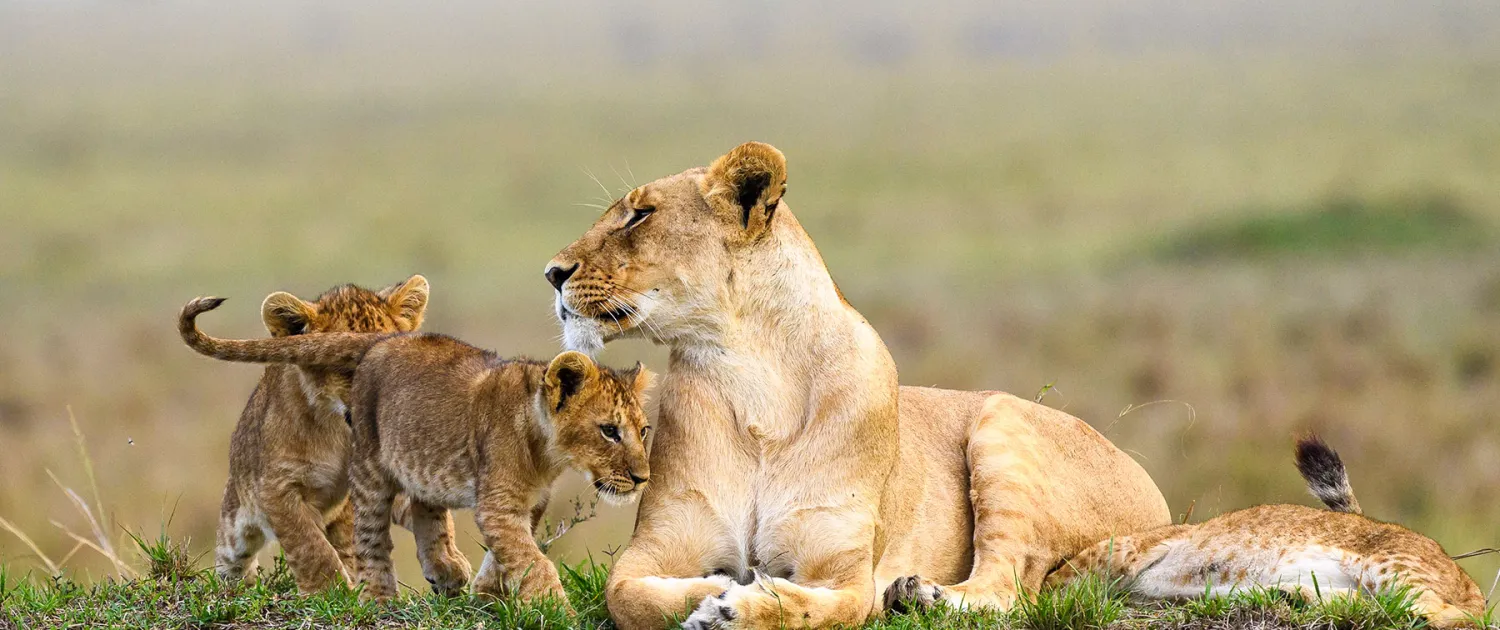
What Animals Can You See in Nairobi National Park?
Nairobi National Park supports a surprisingly rich wildlife population for a protected area surrounded partly by urban development. The exact animals encountered vary between game drives, but visitors may see predators, grazers, browsers and numerous smaller species.
Lions and Other Predators
Lions are among the park’s most exciting residents. They may be observed resting in long grass, walking along tracks or watching herds from the edge of the plains. Early mornings can be especially rewarding because temperatures are cooler and predators may still be active after the night.
Spotted hyenas and black-backed jackals also contribute to the park’s predator community. Leopards occur but are secretive and considerably more difficult to locate. Cheetahs and servals may occasionally be encountered, although travelers should treat such sightings as fortunate moments rather than expected features of every safari.
Black and White Rhinos
Nairobi National Park is particularly important for rhinoceros conservation. Both black and white rhinos may be encountered, making the park one of Kenya’s rewarding destinations for travelers hoping to observe these threatened animals.
Black rhinos are primarily browsers and are often associated with bushier habitats. White rhinos usually graze and may be found in more open areas. Despite their names, both species are grey; their different names do not describe their actual skin color.
Rhino sightings can never be guaranteed, but the park’s established conservation population provides visitors with a meaningful opportunity to learn about habitat protection, monitoring and anti-poaching work.
Giraffes, Zebras and Antelopes
The open plains support numerous herbivores. Masai giraffes browse from acacia trees, while plains zebras form striking patterns across the grasslands. Buffaloes may appear individually or in herds, particularly near productive grazing areas and water sources.
Other possible sightings include elands, hartebeests, impalas, gazelles, waterbucks and warthogs. Olive baboons and vervet monkeys may also be observed in suitable woodland or riverine habitats. These animals form important relationships within the ecosystem, supporting predators while influencing vegetation and seed dispersal.
Are There Elephants in Nairobi National Park?
Wild elephants are not normally resident in Nairobi National Park. Consequently, the park is generally described as a Big Four rather than a Big Five destination. Lions, leopards, buffaloes and rhinos occur, but travelers wanting to see wild elephants should combine Nairobi with destinations such as Amboseli, Tsavo, Samburu or the Maasai Mara.
This distinction is important when planning expectations. Nairobi National Park remains an exceptional wildlife destination, but no responsible safari operator should advertise it as a reliable place for wild elephant viewing.
Wildlife Sightings by Animal Group
| Animal Group | Possible Sightings | Viewing Notes |
|---|---|---|
| Large predators | Lions, leopards, cheetahs and spotted hyenas | Lions may be seen regularly, while leopards and cheetahs are more elusive. |
| Rhinos | Black and white rhinos | The park is an important rhino conservation area, but sightings remain natural and unpredictable. |
| Large herbivores | Buffaloes, giraffes, zebras, elands and hartebeests | Open plains provide the best opportunities for viewing grazing species. |
| Smaller mammals | Warthogs, jackals, mongooses, baboons and vervet monkeys | Smaller animals are often missed when attention remains focused only on large mammals. |
| Birdlife | Raptors, cranes, ostriches, waterbirds and grassland species | Bird diversity changes with habitat, rainfall and seasonal migration. |
Birdwatching in Nairobi National Park
Wildlife in Nairobi National Park extends far beyond its mammals. More than 400 bird species have been recorded across the park’s grasslands, wetlands, dams, woodland and seasonal streams. This habitat diversity makes the park valuable to serious birdwatchers as well as visitors discovering Kenyan birdlife for the first time.
Possible sightings include secretarybirds walking across open plains, ostriches, grey crowned cranes, martial eagles, augur buzzards, herons, egrets, kingfishers and several species of lapwing. Migratory birds may add further variety during suitable seasons.
A specialist birding excursion usually moves more slowly than an ordinary game drive. The guide may pause at wetlands, scan trees for perched raptors and listen for calls that reveal birds hidden in vegetation. Binoculars and a camera with a moderate telephoto lens can considerably improve the experience.
Birdwatchers should remember that rainfall, migration patterns, water levels and time of day influence which species are present. Early morning generally provides cooler temperatures, better light and increased bird activity.
Why Is Nairobi National Park Ecologically Important?
The park protects an important mixture of savannah, wetland, woodland and riverine habitat beside one of Africa’s largest cities. Its southern landscape has historically connected with the broader Athi-Kapiti plains, allowing wildlife to move between seasonal grazing areas.
Urban development, roads, fencing and changing land use place growing pressure on these dispersal areas. Conserving functional wildlife corridors is therefore important to the park’s long-term ecological health. Nairobi National Park demonstrates both the possibilities and the challenges of maintaining biodiversity beside a rapidly expanding city.
Visitors contribute to conservation through regulated park fees and responsible tourism. Guests can further reduce their impact by avoiding litter, keeping noise low, remaining inside vehicles except at authorized locations and following instructions from guides and park officials.
What Is the Best Time to See Wildlife in Nairobi National Park?
Nairobi National Park can be visited throughout the year. The most suitable season depends on whether a traveler prioritizes open views, green scenery, birdwatching, photography or lower visitor numbers.
Dryer Months
The periods from approximately June to October and January to February commonly produce drier conditions. Shorter vegetation can make animals easier to locate, while roads are generally more manageable. Animals may also concentrate around dependable water sources.
These periods can be popular, so an early departure is worthwhile. Weather patterns are not completely predictable, and occasional rainfall can occur even during generally dry months.
Green and Rainy Months
Rainfall commonly increases from March to May and again around November and December. The landscape becomes greener, wildflowers may appear and the park can be particularly attractive for photography. Migratory birds may also increase the diversity available to birdwatchers.
Some roads may become muddy after heavy rain, and taller vegetation can make certain animals harder to see. However, fewer visitors and dramatic skies can make the green season highly rewarding.
Best Time of Day
Early morning is usually the preferred period for a Nairobi National Park safari. Wildlife may be more active, temperatures are cooler and the light is often favorable for photography. An afternoon game drive can also be productive, particularly as temperatures begin to fall.
Travelers must account for Nairobi traffic when arranging departure and return times. Park opening hours, gate arrangements, entry fees and activity regulations can change, so current information should be confirmed before travel.
How Long Should You Spend in Nairobi National Park?
Half-Day Safari
A half-day visit works well for travelers with limited time. It normally focuses on the open plains, productive water areas and established wildlife-viewing routes. However, entry formalities and city traffic must be included when calculating the available time.
Full-Day Safari
A full day provides more time to explore different habitats and wait patiently at promising wildlife locations. It is the better choice for photographers, birdwatchers and travelers hoping to appreciate the park beyond a checklist of major animals.
Two-Day Nairobi Wildlife Experience
Two days allow visitors to undertake game drives at different times, concentrate on photography or birding and combine the park with a separate Nairobi attraction. This slower approach is particularly valuable when wildlife behavior or changing light is central to the experience.
Can Nairobi National Park Be Combined with Other Attractions?
Nairobi National Park fits naturally into a broader Kenyan itinerary. It can serve as the first safari experience after arrival, a final excursion before departure or an urban wildlife break between longer journeys.
Separate attractions that may be included in a Nairobi itinerary include the Sheldrick Wildlife Trust’s Nairobi nursery, the Giraffe Centre, the Karen Blixen Museum and the National Museum of Kenya. These sites are not part of Nairobi National Park and may require separate reservations, entrance fees and transfers.
Travelers can also continue from Nairobi to other destinations featured on our Kenya national parks guide. Amboseli is popular for elephant viewing and Mount Kilimanjaro scenery, while the Maasai Mara offers expansive plains and excellent predator encounters. Lake Nakuru is known for rhinos and birdlife, whereas Samburu introduces visitors to northern Kenya’s dry-country species.
Planning advice: A short Nairobi National Park visit is convenient, but it should not be overloaded with distant city attractions on the same day. Nairobi traffic can substantially affect transfers, so realistic time buffers produce a more relaxed experience.
Responsible Wildlife Viewing in Nairobi National Park
Responsible safari behavior protects both visitors and animals. Travelers should remain inside the vehicle unless they are at an officially authorized location. Wildlife must never be fed, called, surrounded or pressured into moving for a photograph.
Drivers should maintain a respectful distance, avoid blocking an animal’s direction of travel and reduce noise near resting or hunting wildlife. Litter must be carried out or placed in approved containers. Drone use requires specific authorization and should never be assumed to be permitted.
Parents should supervise children throughout the visit, while all guests should follow their guide’s instructions. Wild animals may change direction or behavior unexpectedly, even when they appear relaxed.
What Should You Pack for a Nairobi National Park Safari?
Comfortable, neutral-colored clothing is appropriate for most game drives. Mornings can be cool, so a light jacket or fleece is helpful. A hat, sunscreen, sunglasses and a reusable water bottle are valuable once temperatures rise.
Binoculars improve both wildlife and bird viewing. Photographers should carry charged batteries, adequate memory cards and a lens appropriate for animals that may remain some distance from the road. A small dust cover can help protect sensitive equipment during dry conditions.
Travelers visiting during the wetter months should bring a lightweight rain jacket. Personal medication and insect repellent should also be carried, but visitors should avoid leaving loose plastic or waste inside the park.
Why Explore Nairobi National Park with Ngeye Uganda Tours?
Ngeye Uganda Tours creates personalized East African journeys that can include Nairobi National Park as a standalone excursion or part of a longer itinerary. Planning considers available time, accommodation, airport transfers, preferred wildlife interests and connections to other destinations.
An experienced guide adds considerable value by reading tracks, interpreting animal behavior, recognizing bird calls and selecting routes according to current conditions. Guides also help guests understand the conservation pressures affecting a protected ecosystem beside a major city.
No ethical operator can guarantee particular animals, weather conditions or photographic scenes. Our role is to provide thoughtful planning, suitable transportation and knowledgeable guidance that gives travelers the strongest possible opportunity for an enjoyable and responsible safari.
Explore our available safari packages or contact Ngeye Uganda Tours to request a personalized Nairobi National Park experience.
Frequently Asked Questions About Wildlife in Nairobi National Park
What animals can I see in Nairobi National Park?
Possible sightings include lions, black and white rhinos, buffaloes, Masai giraffes, plains zebras, elands, hartebeests, impalas, gazelles, warthogs, hyenas and jackals. Leopards, cheetahs and servals occur but are more elusive.
Are there elephants in Nairobi National Park?
Wild elephants are not normally resident in the park. Travelers seeking elephant encounters should combine Nairobi with Amboseli, Tsavo, Samburu or another suitable Kenyan destination.
Is Nairobi National Park a Big Five destination?
It is generally considered a Big Four destination. Lions, leopards, buffaloes and rhinos occur, but wild elephants are normally absent.
Can I see rhinos in Nairobi National Park?
Both black and white rhinos may be seen, and the park is important for rhino conservation. However, sightings remain dependent on natural wildlife movements and cannot be guaranteed.
How much time do I need in Nairobi National Park?
A half-day provides a useful introduction, while a full day offers more time for wildlife viewing, birding and photography. Travelers should allow additional time for Nairobi traffic and entrance procedures.
What is the best time to visit Nairobi National Park?
The park is open year-round. Drier periods generally provide shorter vegetation and easier road conditions, while wetter months offer greener scenery, dramatic skies and rewarding birding.
How far is Nairobi National Park from the city?
The park borders Nairobi, but journey times vary considerably according to traffic, departure point and selected entrance gate. It is important to plan transfers with realistic buffers.
Is Nairobi National Park safe to visit?
It is suitable for guided safaris when visitors follow park regulations and their guide’s instructions. Guests should remain inside the vehicle except at officially authorized locations.
Can I visit Nairobi National Park during a layover?
A visit may be possible during a sufficiently long layover, but travelers must consider immigration procedures, baggage arrangements, traffic and airport check-in requirements. A short connection should never be treated as adequate.
Are wildlife sightings guaranteed?
No. Nairobi National Park is a natural ecosystem, and animal sightings depend on movement, weather, habitat and time of day. An experienced guide can improve the chances of productive encounters but cannot guarantee particular species.