


What Is the Best Time of Day for Game Drives in Masai Mara?
May 20, 2026
What Are the Best Lodges in Masai Mara?
May 20, 2026
Walking Safaris in Masai Mara
Discover the Beauty of Walking Safaris in Masai Mara
Walking Safaris in Masai Mara offer an extraordinary opportunity to explore Kenya’s spectacular wilderness beyond traditional safari vehicles. Located in southwestern Kenya, the magnificent Maasai Mara National Reserve attracts international travelers with its remarkable wildlife populations, expansive savannah landscapes, exceptional biodiversity, and authentic African cultural heritage.
While conventional game drives provide excellent opportunities to observe Africa’s iconic mammals, guided walking adventures introduce visitors to the smaller ecological wonders that make this world-famous destination truly exceptional.
Unlike vehicle-based wildlife excursions, Walking Safaris in Masai Mara allow travelers to experience the African wilderness through natural sounds, fascinating animal tracks, indigenous vegetation, and breathtaking scenery.
Professional safari guides and knowledgeable Maasai trackers lead visitors through designated walking areas, particularly within the surrounding conservancies, where carefully managed activities promote safety and environmental conservation.
For travelers seeking an immersive Africa Safari Adventure, Walking Safaris in Masai Mara combine wildlife education, adventure photography, environmental awareness, and meaningful cultural encounters. Visitors can complement their walking experiences with exciting Masai Mara Safari game drives, birdwatching excursions, luxury wilderness accommodation, and authentic Maasai Cultural Experiences.
At Ngeye Tours and Travels Ltd, we design personalized Kenya Wildlife Safari itineraries that connect international travelers with East Africa’s outstanding natural attractions. We combine responsible tourism, professional safari planning, comfortable accommodation, and enriching cultural activities to create memorable African journeys.
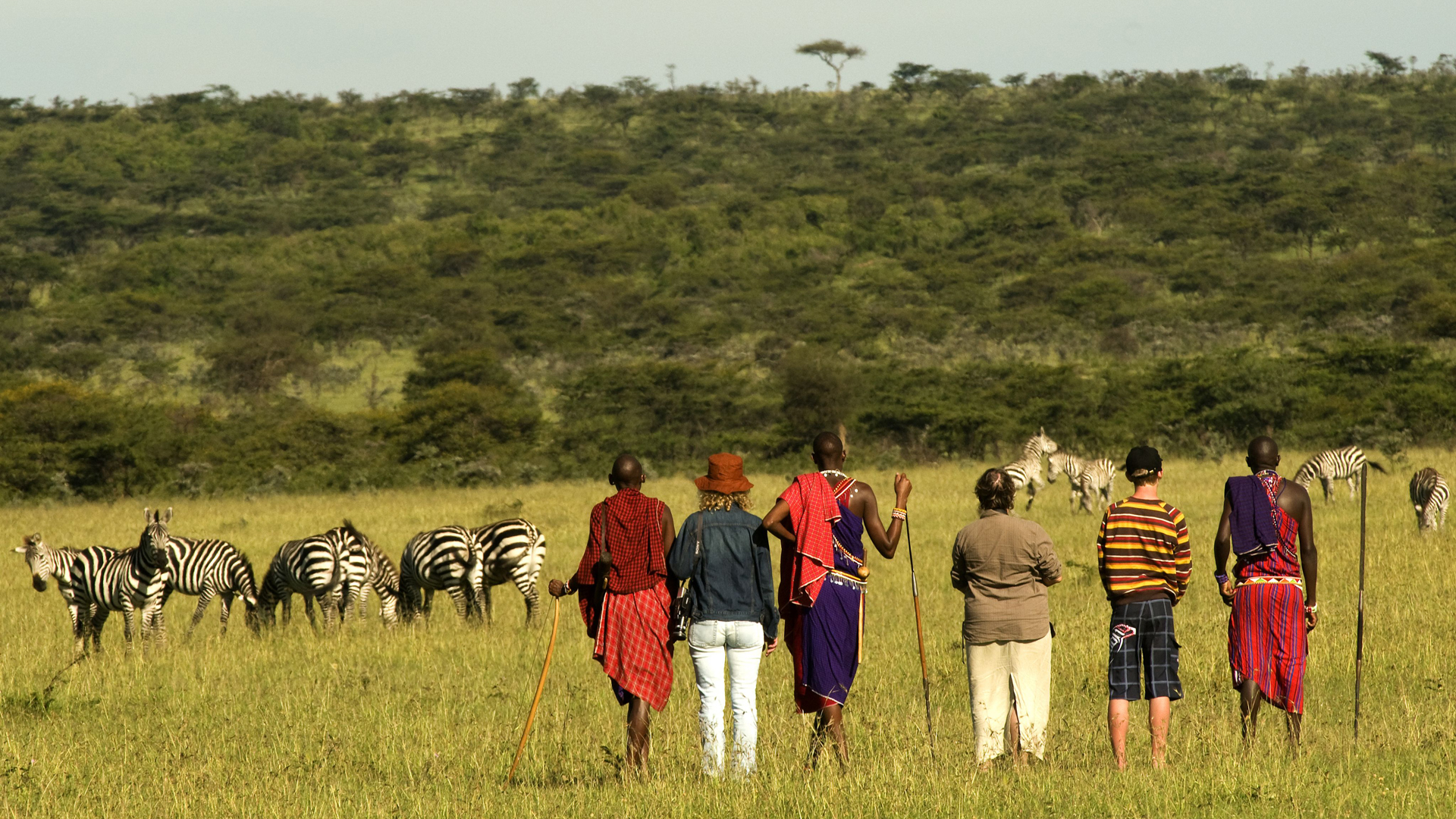
Walking Safaris in Masai Mara
What Makes Walking Safaris in Masai Mara a Unique African Safari Experience?
Walking Safaris in Masai Mara introduce travelers to a fascinating wilderness experience that differs considerably from conventional wildlife viewing. Instead of watching from a vehicle window, visitors explore suitable habitats on foot while experienced guides explain the complex relationships among wildlife, vegetation, soil, and seasonal weather patterns.
Discovering the Smaller Wonders of the African Wilderness
Every Guided Nature Walk reveals remarkable details that traditional game drives frequently overlook. Travelers can identify animal footprints, examine interesting insects, observe colorful butterflies, and discover indigenous plants that contribute to the ecological balance of the savannah.
Additionally, professional guides explain how different wildlife species communicate, search for food, establish territories, and respond to environmental changes. These educational encounters encourage visitors to appreciate the entire ecosystem rather than concentrating exclusively on large mammals.
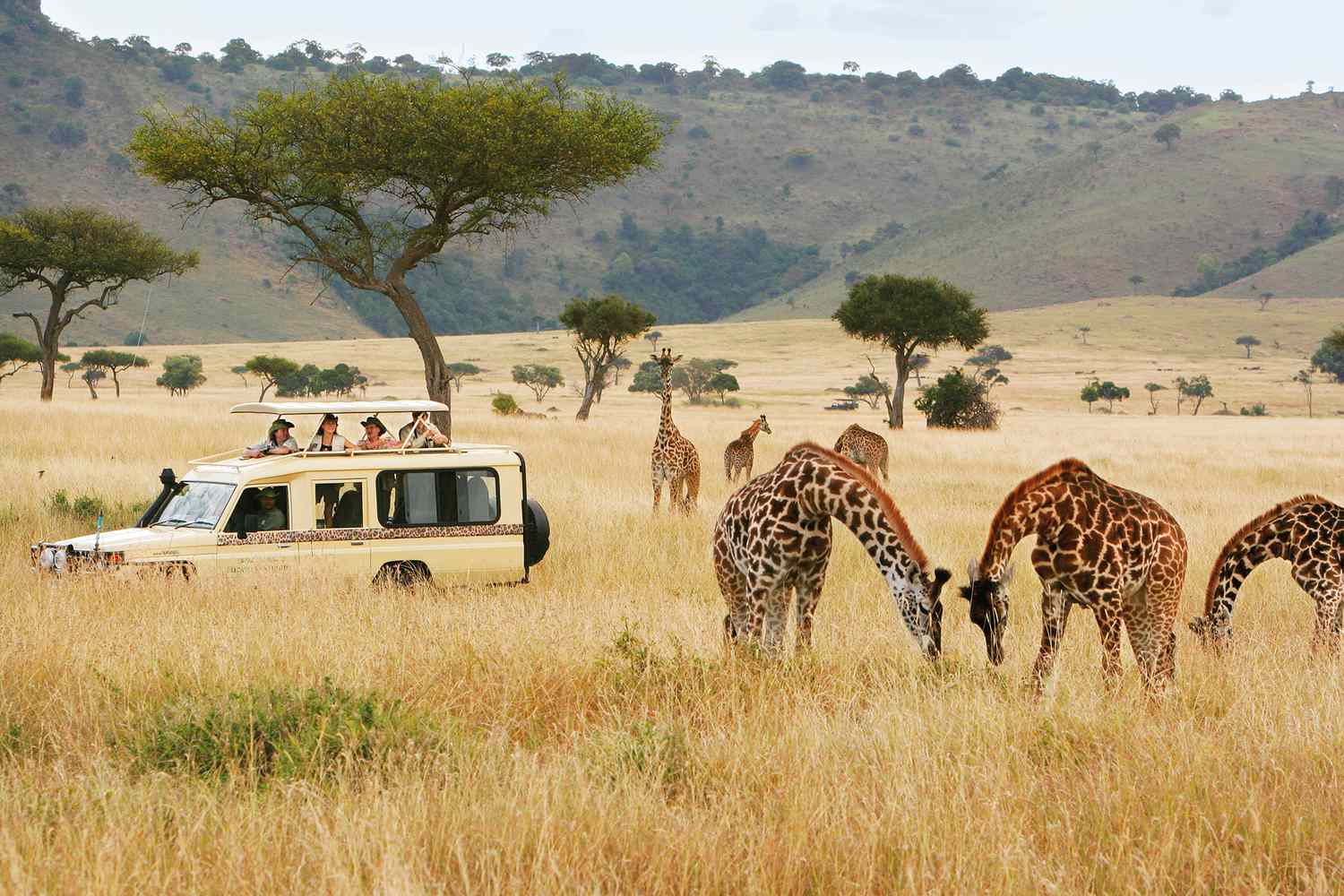
Game drives in Kenya
Experiencing Nature Through Every Sense
The gentle movement of grass, distinctive bird calls, fresh morning air, and distant wildlife sounds create an atmosphere that makes Walking Safaris in Masai Mara particularly memorable.
Moreover, exploring the wilderness at ground level encourages a deeper understanding of animal habitats and conservation challenges. Unlike conventional Kenya Wildlife Safaris that emphasize vehicle-based encounters, walking experiences allow visitors to slow down and appreciate the natural environment.
Consequently, Africa Walking Tours appeal to photographers, conservation enthusiasts, adventurous couples, families with eligible older children, and travelers seeking meaningful connections with nature.
Where Can Travelers Enjoy Walking Safaris in Masai Mara?
Walking Safaris in Masai Mara primarily take place within designated areas of the surrounding conservancies, where tourism operators organize guided wilderness activities according to local conservation regulations.
Although Maasai Mara National Reserve remains the region’s most famous wildlife destination, visitors should understand that independent walking throughout the reserve is not permitted. Walking activities require appropriate authorization, and standard visitor access generally focuses on vehicle-based game viewing.
Exploring the Masai Mara Conservancies
Several conservancies surrounding the reserve provide opportunities for professionally guided nature walks, subject to individual conservancy rules and operator arrangements.
Mara Naboisho Conservancy
This conservancy features expansive grasslands, diverse wildlife habitats, and community-supported conservation initiatives. Selected camps offer guided walking experiences that explore animal tracks, vegetation, and the surrounding ecosystem.
Olare Motorogi Conservancy
Known for its wildlife-rich landscapes and exclusive safari camps, Olare Motorogi offers opportunities for low-impact wilderness exploration through authorized walking activities.
Mara North Conservancy
Mara North combines beautiful natural scenery, community conservation, and excellent wildlife habitats. Walking opportunities depend on the participating camp and current conservancy regulations.
These Masai Mara conservancies support conservation through tourism partnerships, land-use agreements, and collaboration with local Maasai landowners. Furthermore, controlled visitor numbers can provide a quieter safari environment compared with busier sections of the main reserve.
For travelers planning Walking Safaris in Masai Mara, choosing the appropriate conservancy remains essential because walking permissions, guiding requirements, accommodation options, and activity schedules vary by location.
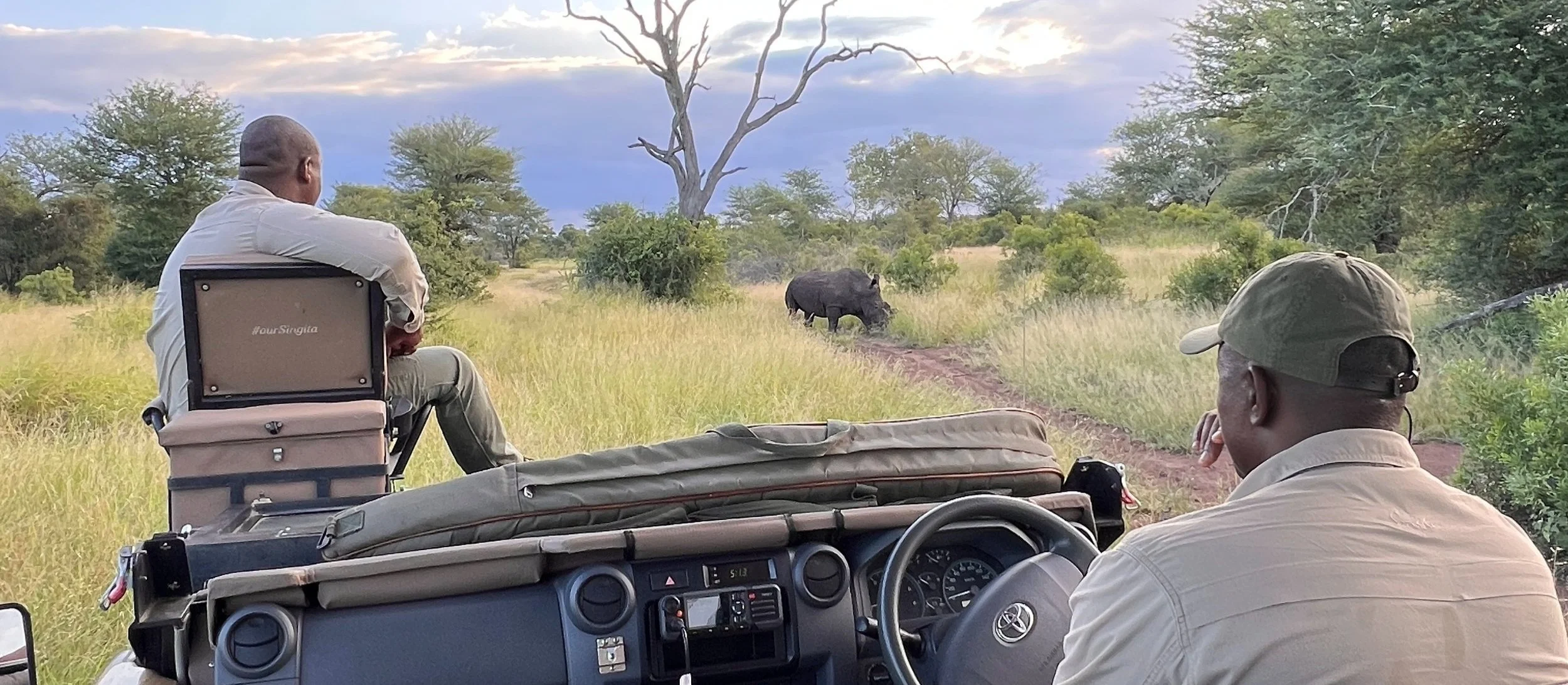
game drives in Kenya
Understanding Animal Tracks and Wildlife Behavior
Professional guides help visitors recognize footprints left by zebras, giraffes, antelopes, and other mammals. Furthermore, travelers learn how animal tracks reveal movement patterns, feeding activities, and interactions between different species.
Giraffes, zebras, impalas, and wildebeests may appear across open landscapes, depending on the location and prevailing wildlife conditions. However, encounters remain unpredictable, and guides maintain appropriate distances to protect visitors and animals.
Discovering Kenya’s Exceptional Birdlife
Birdwatching adds another rewarding dimension to Walking Safaris in Masai Mara. The region supports an impressive variety of birds, including colorful bee-eaters, hornbills, rollers, weavers, and numerous birds of prey.
Early morning walks often provide excellent birdwatching conditions because many species become particularly active during cooler hours.
Additionally, visitors can learn how different birds contribute to seed dispersal, insect population control, and ecosystem health.
For international travelers interested in photography, a Walking Safari Kenya experience creates excellent opportunities to capture natural landscapes, fascinating textures, and smaller wildlife species. Consequently, guided nature walks complement traditional Kenya Wildlife Safari game drives rather than replacing them.
Why Are Masai Mara Conservancies Important for Wildlife Conservation?
Walking Safaris in Masai Mara contribute to a broader tourism model that connects wildlife conservation with community participation and sustainable land management.
The conservancies surrounding Maasai Mara National Reserve help protect important wildlife habitats beyond the reserve boundaries. These landscapes support seasonal wildlife movement, grazing opportunities, and ecological connections between protected areas.
Supporting Wildlife Protection and Sustainable Tourism
Conservancy agreements often involve Maasai landowners who receive income through tourism-related land leases and other negotiated arrangements. This model can provide financial incentives to maintain wildlife habitats and support conservation-friendly land management.
Furthermore, selected safari camps employ local guides, trackers, hospitality professionals, and conservation personnel. These employment opportunities strengthen the relationship between tourism development and community livelihoods.
Encouraging Responsible Wilderness Exploration
Walking Safaris in Masai Mara encourage visitors to understand the importance of maintaining healthy ecosystems. Professional guides explain conservation challenges such as habitat fragmentation, human-wildlife conflict, and pressure on natural resources.
Responsible walking groups follow established routes, avoid disturbing wildlife, and minimize their environmental impact.
At Ngeye Tours and Travels Ltd, we recognize the importance of choosing tourism partners who respect conservation regulations and local communities. Therefore, our safari planning approach emphasizes suitable accommodation, qualified guiding services, and meaningful community engagement.
By selecting responsible Kenya Safaris, international travelers can support tourism activities that contribute to the long-term protection of the Maasai Mara ecosystem.
When Is the Best Time for Walking Safaris in Masai Mara?
Walking Safaris in Masai Mara can offer rewarding experiences throughout the year, although seasonal weather conditions influence walking comfort, vegetation, and wildlife activity.
June to October: Excellent Dry-Season Walking Conditions
The generally drier months from June through October provide favorable conditions for many guided walking activities. During this period, vegetation often becomes less dense, while relatively dry ground can make certain walking routes easier to navigate.
Moreover, the Maasai Mara ecosystem attracts considerable international attention during the Great Migration season, when large numbers of wildebeests and zebras move between Tanzania’s Serengeti and Kenya’s Maasai Mara.
However, migration timing varies according to rainfall and grazing conditions. Travelers should not assume that river crossings or migrating herds will appear on specific dates.
January to February: Warm Weather and Beautiful Landscapes
January and February often provide another attractive period for Walking Safaris in Masai Mara. Relatively dry conditions can support comfortable early morning walks, while open landscapes create excellent photography opportunities.
Additionally, these months suit travelers interested in combining nature walks with conventional game drives and Maasai Cultural Experiences.
March to May and November: Green-Season Adventures
Rainfall generally increases during March, April, and May, while November often brings shorter seasonal rains. Nevertheless, weather patterns can vary considerably.
Green-season walking experiences introduce travelers to lush vegetation, dramatic cloud formations, and increased activity among certain bird species.
Although wet ground and heavy rainfall may limit some walking routes, flexible itineraries can still provide rewarding wildlife experiences.
For the best experience, Ngeye Tours and Travels Ltd recommends scheduling guided walks during suitable morning hours and allowing local guides to assess weather, terrain, and wildlife conditions before departure.
How Safe Are Walking Safaris in Masai Mara?
Safety remains one of the most important considerations when organizing Walking Safaris in Masai Mara because visitors explore an active wildlife ecosystem that supports large mammals and potentially dangerous predators.
The Importance of Professional Safari Guides
Qualified guides understand animal behavior, environmental conditions, and appropriate responses to wildlife encounters. They assess walking routes, monitor animal activity, and establish safe distances throughout each excursion.
Depending on the conservancy and activity regulations, walking groups may require authorized armed rangers or other designated safety personnel.
Visitors should never attempt independent walking through wildlife habitats or leave designated areas without permission.
Essential Safety Guidelines for Walking Safaris
-
Follow all instructions from your professional safari guide.
-
Maintain the recommended distance from wildlife.
-
Avoid sudden movements, loud noises, and unnecessary disturbances.
-
Wear suitable closed walking shoes and comfortable outdoor clothing.
-
Carry drinking water, sun protection, and essential personal medication.
-
Never approach predators, elephants, buffaloes, or other potentially dangerous animals.
-
Inform your guide about relevant mobility limitations or medical concerns before departure.
Walking Safaris in Masai Mara generally involve manageable distances, although the terrain, duration, and physical requirements vary between operators.
Families should also confirm minimum age requirements before booking because some conservancies and safari camps restrict walking activities for younger children.
With appropriate preparation and professional supervision, visitors can enjoy a rewarding Africa Safari Adventure while respecting the unpredictable nature of wild animals.
What Cultural Experiences Can Travelers Enjoy Around Masai Mara Safari Lodges
Walking Safaris in Masai Mara become even more enriching when travelers combine wilderness exploration with authentic Maasai Cultural Experiences. The Maasai communities surrounding the reserve maintain a distinctive cultural heritage shaped by pastoral traditions, community relationships, traditional craftsmanship, and a strong connection to the natural environment.
Although cultural activities vary between safari lodges and conservancies, visitors can arrange several meaningful experiences through suitable local partners.
Visiting Traditional Maasai Villages
A guided Maasai village visit introduces travelers to local community life, traditional homestead structures, and the cultural significance of livestock.
Visitors can learn about family relationships, community responsibilities, and the role of cattle in Maasai cultural identity.
Importantly, respectful cultural tourism requires community consent, transparent visitor fees, and appropriate photography permissions.
Experiencing Traditional Maasai Dance and Music
Traditional Maasai dance performances provide insight into community celebrations and cultural expression. Visitors may observe distinctive jumping dances, rhythmic singing, and traditional clothing during organized cultural encounters.
These experiences allow international travelers to appreciate the diversity of East African cultural traditions.
Learning Maasai Beadwork and Traditional Craftsmanship
Colorful beadwork represents an important element of Maasai artistic expression. During community-based workshops, travelers can discover how artisans create necklaces, bracelets, and other decorative accessories.
Furthermore, purchasing authentic handmade products directly from local artisans can support household incomes and traditional craftsmanship.
Exploring Indigenous Knowledge and Pastoral Traditions
Selected cultural visits introduce travelers to Maasai knowledge of local plants, seasonal grazing patterns, and livestock management.
Such activities complement Walking Safaris in Masai Mara by connecting environmental education with the experiences of communities who have lived alongside the region’s wildlife for generations.
At Ngeye Tours and Travels Ltd, we encourage travelers to include thoughtfully arranged cultural encounters within their Kenya Wildlife Safari itineraries. These activities strengthen cross-cultural understanding while creating opportunities for respectful community engagement.
What Accommodation Options Complement Walking Safaris in Masai Mara?
Walking Safaris in Masai Mara become particularly enjoyable when travelers stay at safari camps that provide convenient access to authorized walking areas.
The surrounding conservancies feature accommodation options ranging from comfortable tented camps to exclusive luxury safari properties.
Luxury Tented Camps and Exclusive Wilderness Lodges
Luxury tented camps combine authentic wilderness surroundings with comfortable accommodation, attentive hospitality, and carefully planned safari activities.
Depending on the property, guests may enjoy spacious en-suite tents, private verandas, scenic dining areas, and beautiful views across the surrounding landscapes.
Furthermore, selected conservancy camps offer professionally guided walks alongside game drives and other wildlife experiences.
Midrange Safari Camps for Comfortable Adventures
Midrange accommodation provides an attractive option for travelers seeking quality service without the higher costs associated with exclusive luxury properties.
These camps may offer comfortable rooms, organized meals, knowledgeable safari staff, and convenient access to wildlife activities.
However, travelers should confirm whether guided walks form part of the accommodation package or require additional arrangements.
Combining Accommodation with Cultural Activities
Some safari lodges coordinate Maasai village visits, beadwork demonstrations, community walks, and cultural presentations.
Availability depends on the camp’s location and relationships with surrounding communities.
When planning Walking Safaris in Masai Mara, Ngeye Tours and Travels Ltd helps travelers identify accommodation that suits their preferred comfort level, travel budget, conservation interests, and desired safari experiences.
Can Walking Safaris in Masai Mara Be Combined with Traditional Game Drives?
Walking Safaris in Masai Mara complement traditional game drives exceptionally well because each activity introduces travelers to different aspects of Kenya’s wildlife ecosystems.

Kenya Wildlife Safaris
Discovering Africa’s Iconic Wildlife During Game Drives
Vehicle-based Masai Mara Safari excursions provide opportunities to observe lions, elephants, buffaloes, giraffes, cheetahs, leopards, and numerous antelope species.
Unlike guided walking activities, game drives allow visitors to explore larger areas while maintaining appropriate distances from dangerous wildlife.
Furthermore, professional driver-guides can navigate established safari tracks to locate animals and explain their behavior.
Combining Adventure, Education, and Photography
A well-designed Kenya Wildlife Safari can begin with an early morning guided nature walk, followed by breakfast and an afternoon game drive.
This combination provides opportunities to appreciate smaller ecological details before exploring the wider savannah in search of larger mammals.
During migration season, travelers can also schedule game drives around suitable wildlife-viewing areas, although sightings depend on natural animal movements.
Consequently, combining Walking Safaris in Masai Mara with traditional game drives creates a more comprehensive African safari experience.
Who Should Consider Walking Safaris in Masai Mara?
Walking Safaris in Masai Mara appeal to travelers who value outdoor adventure, environmental education, cultural discovery, and personalized wildlife experiences.
Nature Lovers and Wildlife Photography Enthusiasts
Nature enthusiasts appreciate the opportunity to examine plants, insects, animal tracks, and birdlife in greater detail.
Meanwhile, photographers can capture unique images of the African landscape, natural textures, and wildlife habitats.
Couples and Adventure Travelers
Couples seeking memorable African holidays can combine guided walking adventures with romantic wilderness accommodation, scenic sundowners, and private game drives.
Additionally, active travelers often appreciate the physical engagement and educational value of exploring natural landscapes on foot.
Families and Educational Safari Groups
Families with children who meet the operator’s minimum age requirements may enjoy suitable nature walks that introduce younger travelers to wildlife conservation and ecological relationships.
However, parents should confirm age restrictions, walking distances, and safety arrangements before booking.
For travelers seeking an alternative to conventional Africa Walking Tours, Walking Safaris in Masai Mara provide an excellent balance between outdoor adventure and meaningful environmental learning.
Can Travelers Combine Walking Safaris in Masai Mara with Uganda Gorilla Trekking?
Walking Safaris in Masai Mara can form part of an extended East African safari itinerary that connects Kenya’s spectacular savannah wildlife with Uganda’s remarkable primate experiences.
Exploring Kenya and Uganda in One Safari
Travelers can begin their journey with a Masai Mara Safari, enjoying guided game drives, cultural encounters, and authorized walking activities within suitable conservancies.
Afterward, the adventure can continue to Uganda, where visitors explore the tropical forests of Bwindi Impenetrable National Park for an unforgettable mountain gorilla trekking experience.
Additionally, Uganda offers chimpanzee tracking in Kibale National Park, wildlife game drives in Queen Elizabeth National Park, and birdwatching opportunities across diverse ecosystems.
Creating a Complete East African Wildlife Experience
Combining Walking Safaris in Masai Mara with Uganda Gorilla Trekking introduces travelers to contrasting landscapes, wildlife habitats, and cultural traditions.
Kenya provides extensive savannah ecosystems and exceptional big-game viewing, while Uganda offers tropical forests, mountain gorillas, chimpanzees, and diverse cultural experiences.
Furthermore, travelers can extend their itineraries to Tanzania’s Serengeti National Park or Rwanda’s Volcanoes National Park, depending on their interests and available travel time.
Ngeye Tours and Travels Ltd designs customized multi-country safari itineraries that combine wildlife exploration, cultural encounters, comfortable accommodation, and practical travel arrangements across East Africa.
Why Choose Ngeye Tours and Travels Ltd for Walking Safaris in Masai Mara?
Walking Safaris in Masai Mara require thoughtful planning, suitable accommodation, knowledgeable guides, and careful coordination with authorized conservancy operators.
At Ngeye Tours and Travels Ltd, we understand that international travelers seek more than ordinary wildlife sightseeing. They value authentic experiences, reliable safari information, professional organization, and meaningful opportunities to discover Africa’s natural and cultural heritage.
Personalized Kenya Safari Planning
Our team develops customized Kenya Wildlife Safari itineraries according to individual travel interests, preferred accommodation standards, available time, and overall safari budgets.
Whether travelers prefer luxury wilderness experiences, photography-focused adventures, or cultural exploration, we help create itineraries that balance comfort with authentic discovery.
Responsible Tourism and Cultural Appreciation
We recognize the importance of protecting wildlife habitats while respecting the communities that share these remarkable landscapes.
Therefore, our approach emphasizes responsible safari activities, appropriate local guiding arrangements, and respectful cultural experiences.
Seamless East African Safari Combinations
Beyond Walking Safaris in Masai Mara, we help travelers explore Uganda, Rwanda, Tanzania, and other outstanding East African destinations through carefully planned safari combinations.
Our itineraries can incorporate gorilla trekking, chimpanzee tracking, traditional game drives, birdwatching, and community-based tourism activities.
By combining destination knowledge with personalized travel planning, Ngeye Tours and Travels Ltd aims to provide dependable safari services and memorable African travel experiences.
Frequently Asked Questions About Walking Safaris in Masai Mara
Are Walking Safaris in Masai Mara Allowed Inside the National Reserve?
Standard walking safari activities generally take place in authorized areas outside the main Maasai Mara National Reserve, particularly within surrounding conservancies. Visitors should confirm current regulations and approved walking locations before booking.
How Long Do Walking Safaris in Masai Mara Usually Last?
Many guided walking activities last approximately one to three hours, although duration varies according to the operator, terrain, weather conditions, and participants’ fitness levels. Longer walks may be available through specialized arrangements.
Are Walking Safaris in Masai Mara Suitable for Beginners?
Yes, selected guided nature walks can accommodate beginners with reasonable mobility and fitness. However, visitors should discuss their physical abilities and previous walking experience with the safari operator before departure.
What Should Travelers Wear for Walking Safaris in Masai Mara?
Comfortable closed walking shoes, lightweight long trousers, neutral-colored clothing, and sun protection are generally suitable. Travelers should also carry drinking water and follow any additional equipment recommendations from their guides.
Can Walking Safaris in Masai Mara Include Maasai Cultural Experiences?
Yes. Depending on the location and safari operator, travelers can combine guided walks with Maasai village visits, traditional beadwork demonstrations, cultural performances, and community-based tourism activities.
Are Walking Safaris in Masai Mara Available Throughout the Year?
Walking experiences may operate throughout the year, subject to conservancy regulations, seasonal conditions, wildlife activity, and guide availability. The relatively dry months often provide more comfortable walking conditions.
Conclusion: Experience the Authentic Beauty of Walking Safaris in Masai Mara
Walking Safaris in Masai Mara offer a remarkable opportunity to discover Kenya’s wilderness through adventure, education, conservation awareness, and authentic cultural engagement. From identifying fascinating wildlife tracks to observing beautiful bird species and exploring the traditions of Maasai communities, these experiences reveal a different side of one of Africa’s most celebrated safari destinations.
Furthermore, combining guided nature walks with traditional game drives, carefully selected safari accommodation, and meaningful cultural encounters creates a comprehensive Kenya Wildlife Safari experience. Travelers gain a deeper appreciation of the Maasai Mara ecosystem while enjoying unforgettable moments across its spectacular landscapes.
At Ngeye Tours and Travels Ltd, we believe exceptional African safaris should connect travelers with wildlife, nature, culture, and responsible tourism. Through personalized itinerary planning and collaboration with suitable local safari providers, we help international visitors discover the extraordinary beauty of East Africa.
Whether you are planning your first Masai Mara Safari, a private Walking Safari Kenya adventure, or an extended journey combining Kenya with Uganda Gorilla Trekking, our team can help you create a memorable African holiday.


