What Cultural Experiences Are Available Near Lake Naivasha?
What cultural experiences are available near Lake Naivasha? Travelers can participate in community-led Maasai visits, artisan and beadwork encounters, local market exploration, culinary experiences, storytelling, agricultural tours and excursions to important heritage sites within Kenya’s Great Rift Valley. These activities introduce visitors to the people, history and livelihoods that shape the wider Naivasha region.
Lake Naivasha is often associated with boat excursions, hippos, birds and nearby Hell’s Gate National Park. However, experiencing the destination only through wildlife leaves an important part of its story unexplored. The lake exists within a living cultural landscape shaped by pastoral traditions, agriculture, conservation, trade and the modern communities of Naivasha and surrounding areas.
A thoughtfully arranged cultural experience creates opportunities for genuine conversation and mutual learning. Instead of observing local people as part of a performance, responsible travelers can meet guides, artisans, farmers, storytellers and community representatives who choose how their culture and work are presented.
These encounters can be incorporated into a wider journey through Kenya’s national parks and safari destinations. Travelers may also combine them with birdwatching, a Lake Naivasha boat excursion, Crescent Island, Hell’s Gate, Lake Nakuru or the Maasai Mara.
Why Add Cultural Experiences to a Lake Naivasha Safari?
Wildlife and landscapes explain only part of a destination. Cultural activities introduce travelers to the people who live within, depend upon and protect the surrounding environment. They provide context for traditional land use, changing livelihoods, conservation challenges and the relationship between communities and tourism.
A community visit can also slow down an otherwise activity-heavy itinerary. After game drives, boat excursions or cycling, a conversation with a local guide or artisan creates a different kind of travel experience—one based on listening, exchanging ideas and understanding daily life.
When arranged responsibly, cultural tourism can support local guides, women’s groups, artisans, performers, farmers and community projects. The value depends on how the visit is managed, who controls the experience and whether income reaches the people involved.
Travelers should therefore choose experiences that are transparent about fees, respectful of privacy and designed with community participation. Authenticity should never be measured by how “traditional” or unfamiliar people appear. Communities are dynamic, and a meaningful visit may include both cultural heritage and honest discussion about modern life.
Can You Visit a Maasai Community Near Lake Naivasha?
Community-led Maasai experiences may be arranged within the wider Great Rift Valley region. The Maasai are among East Africa’s best-known pastoral communities, but their culture extends far beyond colorful clothing and dance performances.
A well-managed visit may introduce travelers to pastoral traditions, family organization, livestock, beadwork, architecture, oral history and the ways communities are adapting to education, conservation, tourism and economic change. Local hosts should determine what they are comfortable sharing.
Traditional dancing or singing may form part of the encounter, but it should not be presented as the only expression of Maasai identity. Conversation with community members can provide a more complete understanding of cultural values, contemporary aspirations and the importance of cattle within pastoral society.
What Should Travelers Expect During a Community Visit?
The experience normally begins with an introduction from a local host or community guide. Visitors may be shown aspects of the settlement, learn about building materials, discuss livestock management and observe beadwork or other forms of craftsmanship.
Questions should be asked respectfully and without treating residents as exhibits. Photography must never be assumed. Travelers should ask permission before photographing individuals, homes, children, ceremonies or private activities.
Giving sweets, money or objects directly to children can create unhealthy expectations and undermine community structures. Any donation should be discussed with the guide or recognized community leadership so that it supports an agreed priority.
Responsible cultural-travel advice: Choose community-led experiences with transparent fees, ask before taking photographs and avoid tours that pressure residents to perform, sell products or reveal private aspects of their lives.
Can Visitors Learn About Maasai Beadwork and Craftsmanship?
Beadwork is one of the most visible forms of Maasai artistic expression. Colors, arrangements and finished objects can carry aesthetic, social or personal meaning, although interpretations may differ among communities and individual makers.
An artisan encounter can introduce travelers to the process of selecting colors, threading beads and creating jewelry or decorative objects. When available, a workshop offers more engagement than simply purchasing an item from a roadside stall.
Buying directly from the maker or a transparent community cooperative gives travelers an opportunity to understand who produced the item and how income is distributed. Bargaining should remain respectful, particularly when a product represents several hours or days of detailed work.
Visitors should avoid assuming that every object marketed as “Maasai” was made locally. A knowledgeable guide can help identify community-run workshops and artisan groups where purchases support the people responsible for the work.
Are There Local Markets Near Lake Naivasha?
Naivasha’s markets provide insight into everyday commerce and local food culture. Depending on the day and location, travelers may encounter fruit, vegetables, grains, spices, clothing, household goods and locally made products.
A guided market walk is generally more informative than visiting independently. A local guide can explain unfamiliar ingredients, help with communication and identify areas where photography would be inappropriate or disruptive.
Markets are working spaces rather than tourist displays. Visitors should avoid blocking walkways, photographing traders without consent or interfering with transactions. Carrying small denominations of Kenyan currency can make purchases easier.
Market visits can be combined with a food experience, community walk or cooking activity when such an experience is available and genuinely hosted by local participants.
Can Travelers Experience Kenyan Food and Cooking?
Food offers a natural way to learn about culture because it connects agriculture, family life, hospitality and regional identity. A community-hosted meal or cooking experience may introduce travelers to dishes prepared with maize, beans, vegetables, meat and other locally available ingredients.
The exact menu will depend on the host community, season, dietary requirements and ingredients available at the time. Travelers should communicate allergies, religious considerations and dietary preferences before the experience.
A cooking activity may include visiting a market, learning how ingredients are selected and participating in basic preparation. The most valuable element is often the conversation that happens around the meal, where hosts and visitors can discuss family traditions, agriculture and changing food habits.
Travelers should not expect every local meal to be presented as fine dining. Cultural value comes from participation, hospitality and learning rather than elaborate presentation.
Are Storytelling and Oral-History Experiences Available?
Storytelling can reveal aspects of the Great Rift Valley that are not visible during a boat excursion or game drive. Elders, cultural guides and community representatives may share oral histories, environmental knowledge, family narratives and accounts of how the region has changed.
These conversations may explore the cultural importance of livestock, weather patterns, wildlife, land, plants and community relationships. They can also address contemporary issues such as education, employment, conservation and the influence of tourism.
Storytelling should be approached as an exchange rather than a performance. Visitors should listen carefully, avoid challenging personal accounts aggressively and recognize that different individuals may interpret history and tradition differently.
Can You Visit Farms Around Lake Naivasha?
Agriculture is a significant part of the economy around Naivasha. The region is particularly associated with horticulture and flower production, while smaller farms and community projects contribute to local food supplies and livelihoods.
Some properties or operators may arrange visits to flower farms, greenhouses, food-growing projects or community-supported agricultural initiatives. Availability varies, and many commercial farms do not accept unannounced visitors because of security, hygiene and operational requirements.
A professionally arranged agricultural visit may explain irrigation, crop management, employment, packaging and the journey of flowers or produce from farms to local or international markets. Responsible tours should also allow space for balanced discussion about water use, environmental responsibility and working conditions rather than presenting an exclusively promotional story.
Photography may be restricted within commercial facilities. Visitors should follow farm rules, wear any required protective equipment and avoid entering production areas without authorization.
What Is the Kariandusi Prehistoric Site?
Travelers interested in archaeology can consider an excursion to Kariandusi Prehistoric Site near Gilgil and Lake Elementaita. The site adds an important historical dimension to a Great Rift Valley journey by introducing visitors to early stone-tool technology and archaeological research in Kenya.
Kariandusi is associated with discoveries made during archaeological work led by Louis Leakey and later researchers. Exhibits and interpretation help visitors understand how stone tools contribute to the study of early human activity within the Rift Valley.
This is better described as a heritage and archaeological excursion than a contemporary community experience. Nevertheless, it broadens the cultural journey by placing the region’s modern communities within a much deeper human history.
Opening hours, guide availability, admission charges and road conditions should be checked before departure. The visit may be combined with Lake Elementaita or incorporated into a transfer between Naivasha and Nakuru.
Can Conservation History Be Included in the Cultural Experience?
The Naivasha region has a strong connection to conservation history. Selected educational visits may introduce travelers to the individuals, organizations and communities that have contributed to environmental awareness around the lake and within Kenya.
Conservation storytelling becomes particularly meaningful when it includes local perspectives. Communities living near wildlife areas experience the benefits and challenges of conservation directly, including questions involving land, employment, livestock, water and tourism revenue.
A balanced experience should avoid presenting conservation as the achievement of outsiders alone. Local guides, landowners, researchers, rangers and community organizations all contribute to protecting the wider ecosystem.
How Can Culture Be Combined With Lake Naivasha’s Natural Attractions?
Boat Excursion and Community Visit
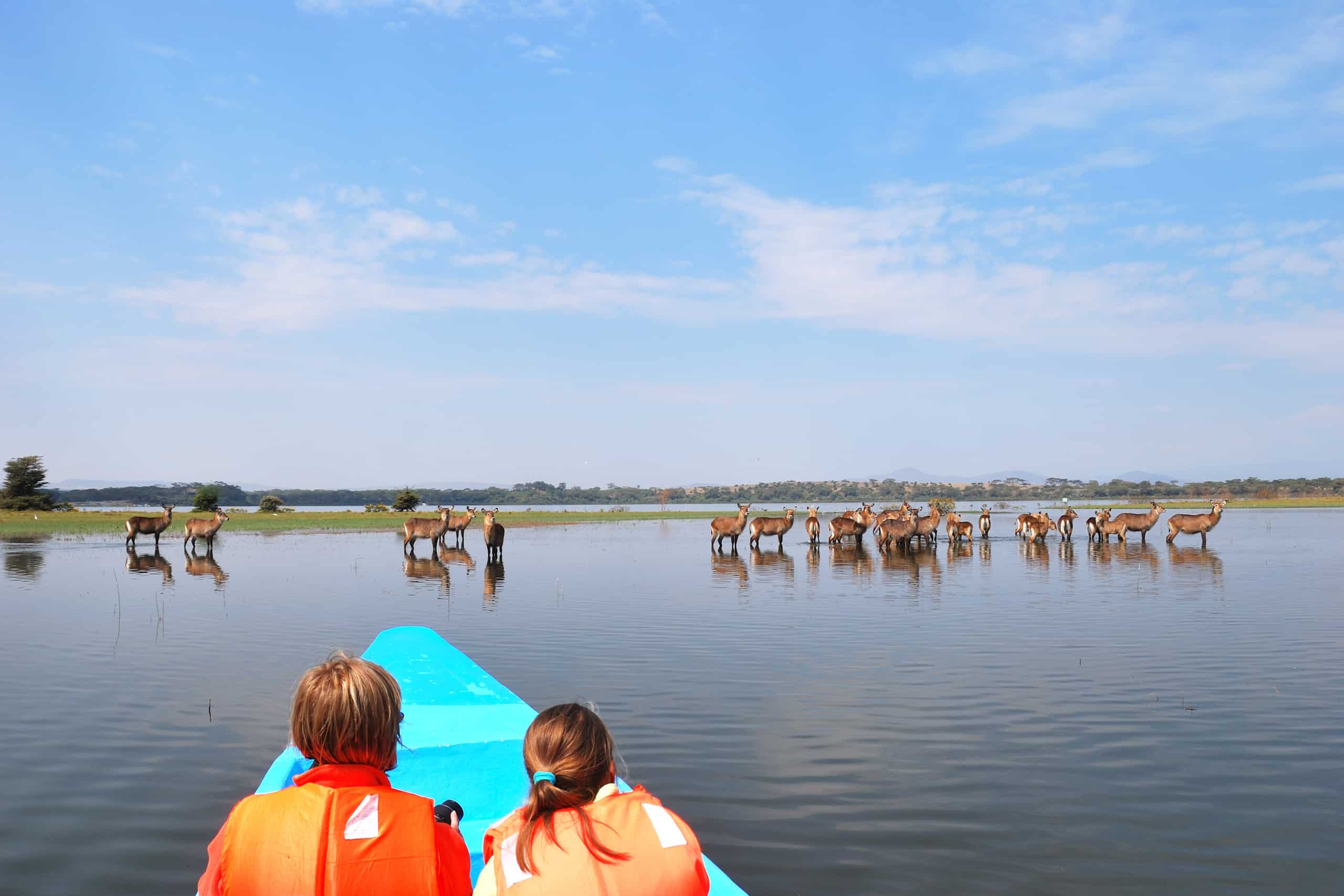
A morning boat excursion can be followed by a community-led cultural activity in the afternoon. On the lake, visitors may observe African fish eagles, kingfishers, pelicans, cormorants and hippos, depending on natural movement and prevailing conditions.
The cultural experience then introduces a human perspective through storytelling, craftwork, food or community discussion. Combining the two activities prevents the day from becoming overly focused on either wildlife or scheduled performances.
Hell’s Gate and Cultural Storytelling
Hell’s Gate National Park can be combined with a cultural experience when timing and travel conditions allow. The park offers volcanic scenery and activities on designated routes, while a community encounter provides insight into the people and livelihoods of the wider region.
Walking, cycling and gorge access remain subject to current park regulations and weather conditions. Travelers should confirm authorized routes and follow ranger instructions.
Birding and Artisan Experiences
Lake Naivasha supports varied birdlife across its freshwater, papyrus, grassland and woodland habitats. A birding excursion can be combined with a visit to an artisan workshop or market, creating a balanced day of nature and cultural learning.
Dedicated birdwatchers can read more about Kenya birding safaris and how the Rift Valley can be incorporated into a broader ornithological itinerary.
What Does a One-Day Cultural and Nature Itinerary Look Like?
A carefully planned day may begin with an early Lake Naivasha boat excursion, when temperatures are cooler and bird activity may be higher. After returning to shore, travelers can enjoy breakfast or an early lunch before continuing to a community-led cultural activity.
The afternoon may feature an artisan workshop, food experience, storytelling session or guided market visit. Travelers interested in archaeology may substitute the community activity with a trip to Kariandusi, provided transfer time and opening arrangements are confirmed.
Trying to include a boat excursion, Crescent Island, Hell’s Gate, a community visit and a market within one day would create a rushed experience. Meaningful cultural interaction requires adequate time for conversation rather than treating communities as another item to check off an itinerary.
How Many Days Should You Spend Near Lake Naivasha?
One full day provides a brief introduction to the lake and one cultural experience. Two nights allow a more balanced visit, with time for a boat excursion, Hell’s Gate or Crescent Island and a community or artisan encounter.
Three nights may suit travelers who want birdwatching, photography, heritage exploration and relaxation in addition to cultural activities. The most suitable duration depends on the wider Kenya itinerary and the traveler’s priorities.
When Is the Best Time for Cultural Experiences?
Cultural activities can generally be arranged throughout the year because they are not dependent on wildlife migration. However, community schedules, ceremonies, farming seasons, market days and guide availability affect what is possible.
Travelers should not expect a ceremony to be staged solely for their visit. If an authentic public celebration or community event coincides with the journey, attendance must be arranged respectfully and with permission.
The generally drier periods may provide easier road access and more predictable outdoor conditions. Rainier months bring greener scenery but can affect unpaved roads, walking activities and farm visits. Weather remains variable throughout the year.
How Much Do Cultural Experiences Near Lake Naivasha Cost?
Costs depend on the activity, group size, guide, transportation and the community or organization involved. Some visits have an established entrance fee, while others are priced as private experiences that include guiding, demonstrations or meals.
Travelers should request a written explanation of what the payment covers and how the host community benefits. Extremely cheap cultural tours may indicate that participating residents receive little compensation.
Purchases from artisans, refreshments, donations and tips may be separate from the activity fee. Tipping should be voluntary and appropriate rather than used as a substitute for fair payment by the tour organizer.
Can Lake Naivasha Cultural Experiences Be Combined With Other Parks?
Lake Naivasha combines naturally with Lake Nakuru and the Maasai Mara. This route introduces travelers to freshwater habitats, Rift Valley scenery, wildlife, archaeology and community experiences within one itinerary.
Travelers may learn more about the next destination by reading what Lake Nakuru National Park is known for. Those seeking an existing route can also review the 5-Day Kenya Wildlife Safari, which can be customized with additional cultural activities and upgraded accommodation.
Photography enthusiasts may consider the 12 Days Kenya Photography Expedition, which combines landscapes, wildlife and selected cultural encounters.
Can a Kenya Cultural Safari Continue to Uganda?
Travelers with additional time can combine Kenya with Uganda’s cultural, wildlife and primate destinations. A regional itinerary might connect Lake Naivasha and the Maasai Mara with gorilla trekking, chimpanzee tracking, community visits and Uganda’s national parks.
Culture varies significantly among communities, so Uganda should not be presented as a repetition of Kenya. Each destination has distinct languages, histories, livelihoods and relationships with its environment.
Regional travel requires careful planning of flights, border requirements, permits and accommodation. A well-paced itinerary provides more meaningful encounters than a schedule built around visiting as many places as possible.
How Do You Choose an Ethical Cultural Experience?
A responsible experience should be community-led or developed with clear local participation. Hosts should have control over what is shared, how long the visit lasts and whether photography is permitted.
Fees should be transparent, and the community should receive a fair share of the income. Children should not be removed from school or pressured to perform for visitors. Private homes, ceremonies and sacred spaces should only be entered with explicit permission.
Travelers should be cautious when a tour promises an “untouched tribe,” “primitive people” or guaranteed access to private rituals. Such language reduces communities to attractions and rarely reflects respectful cultural tourism.
Good cultural tourism recognizes people as hosts, professionals, artisans, guides and partners. Visitors should leave with greater understanding rather than only photographs.
Why Book Lake Naivasha Cultural Experiences With Ngeye Uganda Tours?
Ngeye Uganda Tours creates personalized East African itineraries combining wildlife, landscapes, birding, history and community experiences. Activities are selected according to the traveler’s interests, available time, accommodation preference and desired level of cultural engagement.
Our planning can include private transportation, local guides, boat excursions, accommodation and onward travel to Hell’s Gate, Lake Nakuru, the Maasai Mara or Uganda. Cultural activities are scheduled with adequate time rather than added as rushed stops between destinations.
Because community availability, market days and farm-access policies can change, every activity should be reconfirmed for the intended travel date. Travelers can browse our safari packages for inspiration before requesting a customized cultural and wildlife itinerary.
Plan a Meaningful Lake Naivasha Journey
Combine Lake Naivasha’s scenery and wildlife with respectful community encounters, local craftsmanship, food, storytelling and Great Rift Valley heritage.
Frequently Asked Questions About Cultural Experiences Near Lake Naivasha
What cultural experiences are available near Lake Naivasha?
Possible experiences include community-led Maasai visits, beadwork demonstrations, artisan workshops, market walks, cooking, storytelling, agricultural tours and heritage excursions to Kariandusi.
Can I visit a Maasai community near Lake Naivasha?
Community-led Maasai visits may be arranged within the wider Great Rift Valley. Choose a respectful experience with transparent fees, local hosts and clear photography rules.
Is it acceptable to photograph community members?
Only with permission. Consent should be requested before photographing people, children, homes, ceremonies, craftwork or private activities.
Do cultural-tour fees support local communities?
This depends on the operator and structure of the experience. Travelers should ask how fees are distributed and prioritize community-run or transparently managed activities.
Can I buy crafts directly from local artisans?
Yes, when local workshops, cooperatives or markets are included in the itinerary. Buying directly from makers can provide a clearer connection between the purchase and the artisan.
Can I visit a flower farm near Lake Naivasha?
Some farm visits may be arranged in advance, but access varies because many commercial farms have operational, hygiene and security requirements. Unannounced visits are generally unsuitable.
What is Kariandusi Prehistoric Site?
Kariandusi is an archaeological site near Gilgil and Lake Elementaita associated with early stone tools and research into human activity within the Great Rift Valley.
How much time should I allow for a cultural experience?
Allow at least two or three hours for a meaningful community, food or artisan experience. A full day may be required when combining it with a boat excursion, market or heritage site.
Can Lake Naivasha culture be combined with wildlife safaris?
Yes. Lake Naivasha connects conveniently with Hell’s Gate, Lake Nakuru and the Maasai Mara, allowing travelers to combine wildlife, scenery, birding and cultural learning.