How Long Should I Spend in Lake Nakuru?
One night is enough for most travelers visiting Lake Nakuru National Park as part of a wider Kenya safari. This generally allows time for an afternoon game drive after arrival and another wildlife-viewing session the following morning. Travelers interested in birdwatching, photography and slower exploration may prefer two nights.
Lake Nakuru is relatively compact compared with destinations such as the Masai Mara, but that does not mean visitors should rush through it. Its grasslands, acacia woodland, wetlands, rocky escarpments and viewpoints support a surprisingly varied safari experience. Rhinos, Rothschild’s giraffes, buffaloes, zebras, waterbucks, lions and numerous bird species can be encountered across different habitats.
The right duration depends on your arrival time, wildlife interests and wider itinerary. A traveler continuing to the Masai Mara may spend one night, while a keen photographer could benefit from two mornings and two afternoons in the park.
Visitors can explore the broader destination through the verified Kenya National Parks guide or learn more from the live article explaining what Lake Nakuru National Park is known for.
Is One Day Enough for Lake Nakuru National Park?
One full day inside Lake Nakuru National Park can introduce visitors to its principal wildlife and scenic attractions. The park’s manageable size makes it possible to explore several habitats without the long internal transfers associated with larger reserves.
A well-planned day can include wildlife viewing around the grasslands and woodland, a search for rhinos, time near the lakeshore and a visit to one of the elevated viewpoints. However, every safari unfolds according to natural conditions, and attempting to cover everything within a rigid schedule can make the experience feel rushed.
A day trip from Nairobi is technically possible, but it is not the most comfortable arrangement. The road journey generally takes approximately three to four hours in each direction, depending on traffic, road conditions and the departure point. This could mean spending six to eight hours traveling before accounting for park entry, meals and game viewing.
Visitors with limited time may still choose a day trip, but they should leave Nairobi early and understand that traffic can affect the schedule. Spending one night near or inside the park provides a better balance between travel and wildlife observation.
Why Is One Night Suitable for Most Travelers?
A one-night stay normally provides two useful wildlife-viewing periods. Travelers can arrive around lunchtime, check into their accommodation and enjoy an afternoon game drive. The following morning, they can return to the park before continuing to another destination.
Afternoon drives can reveal grazing herbivores and animals emerging as temperatures begin to cool. Changing light also creates attractive conditions for landscape and wildlife photography.
Morning drives offer another perspective. Wildlife activity can be greater during cooler hours, while the park’s roads may feel quieter before day visitors arrive. Travelers receive a second opportunity to search for rhinos, giraffes, predators and other species they may not have encountered during the previous afternoon.
This schedule works particularly well when Lake Nakuru is combined with Lake Naivasha, the Masai Mara or Nairobi. It delivers a meaningful introduction without using too many days from the broader itinerary.
When Should You Spend Two Nights at Lake Nakuru?
Two nights are appropriate for travelers who prefer a relaxed pace or have specific wildlife and photography interests. This duration normally creates one complete day between the arrival and departure dates, allowing more flexibility for several game drives and scenic stops.
Wild animals do not follow an itinerary. Spending additional time creates more opportunities to search different habitats as weather, light and animal movement change. It can be especially helpful when looking for black rhinos, leopards and other animals that may remain hidden in dense vegetation.
Two nights also reduce pressure to move quickly between sightings. Guests can spend longer observing behavior, waiting for suitable photography conditions or identifying birds instead of racing to complete a checklist.
| Recommended stay | Best suited to | Main consideration |
|---|---|---|
| Day trip | Travelers with extremely limited time | Long return journey from Nairobi and limited flexibility |
| One night | Most multi-park safari itineraries | Allows afternoon and morning wildlife viewing |
| Two nights | Birdwatchers, photographers and relaxed travelers | Provides a full day and several game-drive periods |
| Three nights | Specialist birders, researchers or slow-travel guests | Often unnecessary for general safari visitors |
Do Photographers Need More Time at Lake Nakuru?
Photographers can benefit from spending two nights because light, weather and animal behavior change throughout the day. One game drive may deliver clear lake views and open skies, while another may offer dramatic clouds, softer light or animals using a different habitat.
Rhinos can move between open grassland and bushland, while Rothschild’s giraffes may appear among acacia trees or cross more open areas. Additional time improves the possibility of photographing these animals under varied conditions.
Predators require patience. Lions can rest in vegetation for long periods, and leopards may remain concealed in woodland. A longer stay provides more opportunities without guaranteeing that either species will be seen.
Landscape photography also deserves time. Elevated areas can reveal wide views of the lake and Rift Valley escarpment. Photographers should avoid disturbing animals or pressuring guides to leave approved routes for a better angle.
How Long Should Birdwatchers Stay at Lake Nakuru?
Serious birdwatchers should consider two nights. Lake Nakuru’s open water, wetlands, grasslands, woodland and rocky areas support different bird communities, and exploring them responsibly takes time.
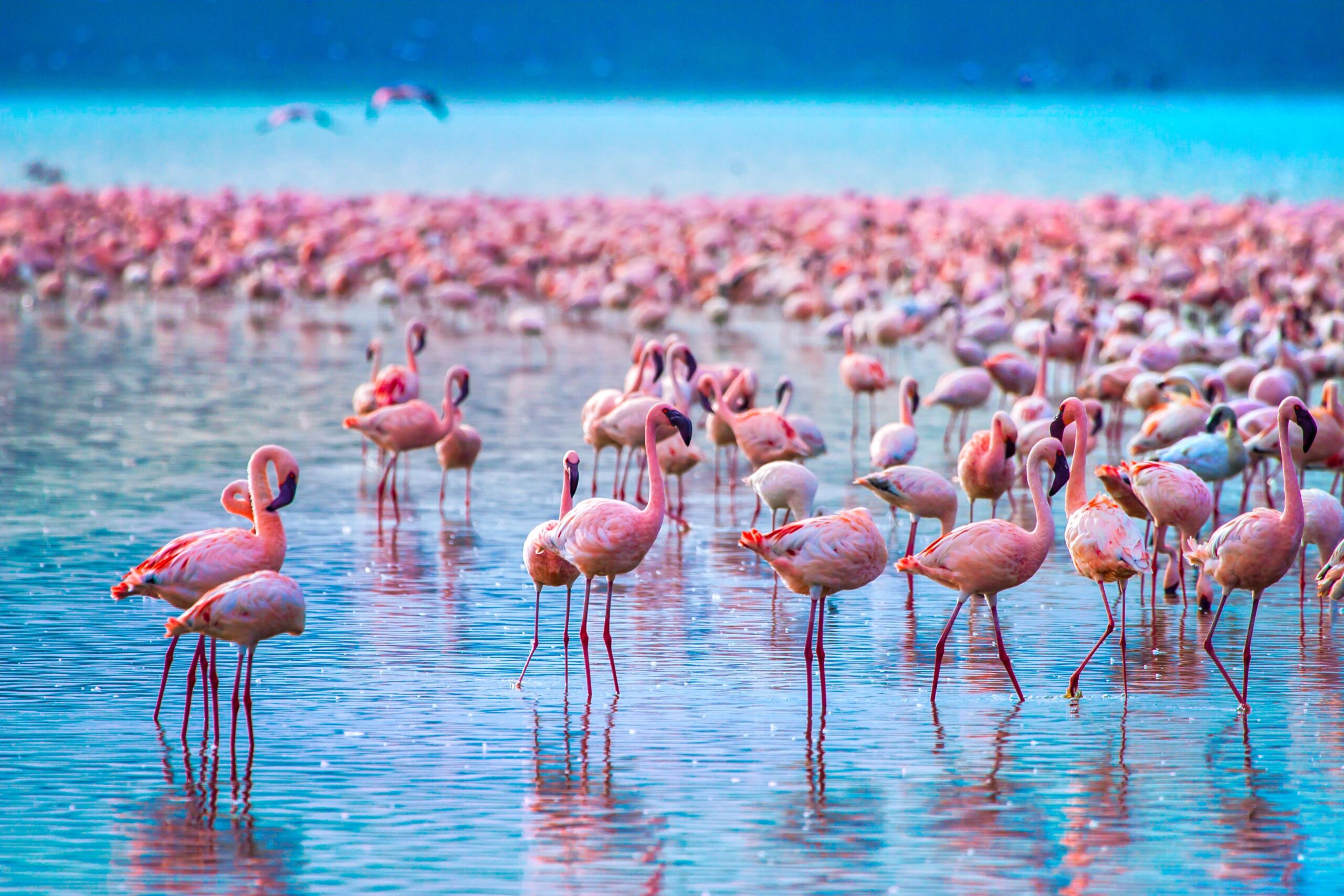
Flamingos remain the park’s most famous birds, but their numbers fluctuate because of changes in water level, salinity and food availability. Visitors should not plan the entire stay around a guaranteed pink shoreline.
Depending on seasonal conditions, birdwatchers may observe pelicans, cormorants, African fish eagles, herons, egrets, kingfishers, storks, pied avocets, black-winged stilts and many smaller woodland species.
Early morning is valuable for birding because many species are more active and vocal. A two-night itinerary provides at least two morning sessions and reduces the need to choose between birds, mammals and scenic viewpoints.
Travelers seeking a broader birding experience can review the verified 10-day Kenya Big Five and Birding Safari.
What Can You Experience During a One-Night Lake Nakuru Safari?
A carefully scheduled one-night safari can provide an excellent overview of the park. The precise program depends on arrival time, accommodation and onward route, but a typical experience may follow the sequence below.
Reach the Nakuru area, check into the selected lodge or camp and prepare for the first game drive.
Explore grassland and woodland while looking for rhinos, giraffes, buffaloes and other wildlife.
Return to the accommodation for dinner, rest and a briefing about the following day.
Enter the park during cooler hours for a second wildlife-viewing and birdwatching session.
Continue toward Lake Naivasha, the Masai Mara, Nairobi or another destination.
This arrangement works best when travelers arrive early enough for a meaningful afternoon drive. Reaching the park shortly before sunset and departing immediately after breakfast would provide limited safari value.
Which Animals Can Be Seen During a Short Stay?
Lake Nakuru protects black and white rhinos, making rhino viewing one of its major attractions. White rhinos often use open grassland, while black rhinos may remain among shrubs and woodland vegetation.
Rothschild’s giraffes can be observed browsing in acacia woodland or moving through open landscapes. Buffaloes, zebras, waterbucks, impalas, warthogs, baboons and vervet monkeys may also be encountered.
Lions and leopards inhabit the park but should not be treated as guaranteed sightings. Leopards are particularly elusive and can remain concealed in forested areas. Spending an extra night improves the available search time but still cannot promise an encounter.
Visitors can learn more through the verified guide to animals found at Lake Nakuru besides birds.
Which Scenic Attractions Deserve More Time?
Lake Nakuru’s value extends beyond wildlife sightings. Viewpoints such as Baboon Cliff provide broad perspectives over the lake, surrounding vegetation and Rift Valley landscape.
Makalia Falls introduces another scenic element, although its water volume changes according to rainfall. Visitors traveling during a dry period should not expect the same appearance seen after prolonged rain.
Acacia and euphorbia-dominated landscapes create distinctive environments for wildlife and photography. Spending two nights makes it easier to include these locations without abandoning patient wildlife observation.
Travelers should remain cautious around baboons and monkeys at viewpoints. Food should be secured, and animals should never be fed.
Does the Travel Season Affect How Long You Should Stay?
The best duration depends partly on seasonal conditions. Lake Nakuru remains accessible throughout the year, but rainfall affects vegetation, roads, scenery and wildlife visibility.
Drier periods, generally from January to February and June to October, can produce more open visibility and easier road conditions. This may help travelers cover several sections during a shorter visit.
Green-season vegetation can make the landscape particularly attractive but may conceal secretive animals. Birdwatchers and photographers may appreciate an additional night during these months because changing weather and light create varied opportunities.
Flamingo abundance cannot be predicted simply by selecting a dry or rainy month. Their movements are influenced by water depth, lake chemistry and food availability across the wider Rift Valley lake system.
For more seasonal information, travelers can consult the verified guide to the best time to visit Lake Nakuru.
Can Lake Nakuru Be Combined With the Masai Mara?
Lake Nakuru and the Masai Mara are frequently combined because their wildlife experiences complement one another. Lake Nakuru contributes rhino conservation, Rothschild’s giraffes, birdlife and Rift Valley scenery. The Masai Mara offers expansive savannah, abundant herbivores and strong predator-viewing opportunities.
One night at Lake Nakuru usually works well within this combined route. Travelers can explore the park during the afternoon and following morning before continuing toward the Masai Mara.
The verified five-day Lake Nakuru and Masai Mara Safari demonstrates how the destinations can be connected without making Lake Nakuru feel like a hurried roadside stop.
Can Lake Naivasha Be Added to the Itinerary?
Lake Naivasha can be combined with Lake Nakuru because the destinations are located within Kenya’s Rift Valley region. Their environments are different: Lake Nakuru is a protected wildlife park centered on an alkaline lake, while Lake Naivasha is a freshwater lake associated with boat excursions and surrounding activities.
Travelers combining both destinations can experience contrasting wetlands and landscapes without adding excessive travel time. The route can then continue toward the Masai Mara.
The live five-day Lake Nakuru, Masai Mara and Lake Naivasha Safari provides an example of this itinerary structure.
How Should You Choose Accommodation at Lake Nakuru?
Accommodation location influences the value of a short visit. Staying inside or close to the park can reduce transfer time and make early game drives easier. A cheaper lodge farther away may save money on the room but require longer daily transfers.
Travelers should establish whether rates include meals, park transfers, game drives and applicable fees. Full board generally covers breakfast, lunch and dinner but does not automatically include safari activities or drinks.
Families should confirm room arrangements, child rates and activity policies. Visitors with mobility needs should request precise information about paths, steps, bathrooms and vehicle access rather than relying on a general claim of accessibility.
Why Plan Your Lake Nakuru Safari With Ngeye Tours?
The right Lake Nakuru duration cannot be selected in isolation. Arrival time, onward destination, accommodation and personal interests must all be considered. Ngeye Tours & Travel evaluates these details before recommending one or two nights.
Our safari planners create itineraries for couples, families, photographers, birdwatchers, private groups and solo travelers. Professional driver-guides provide wildlife interpretation while respecting park regulations and responsible-viewing practices.
We also communicate realistically. Wildlife is free-ranging, flamingo numbers change and no particular sighting can be guaranteed. Honest planning helps travelers appreciate the complete ecosystem rather than measuring success against a rigid checklist.
Guests can review the company’s verified safari packages or request a completely customized Kenya itinerary.
Plan the Right Lake Nakuru Stay
Tell us your travel dates, group size, preferred comfort level and other Kenyan destinations you want to explore. We will recommend the right duration and prepare a personalized safari itinerary.
Request a Personalized SafariFrequently Asked Questions About Lake Nakuru Safari Duration
How long should I spend in Lake Nakuru?
One night is suitable for most multi-park itineraries. Two nights are recommended for photographers, birdwatchers and travelers who prefer a relaxed pace.
Is one day enough for Lake Nakuru?
One full day can cover several principal habitats and viewpoints. However, a day trip from Nairobi involves a long return journey and limited flexibility.
Is Lake Nakuru worth an overnight stay?
Yes. An overnight stay generally allows afternoon and morning game drives, providing better wildlife-viewing opportunities than a rushed day trip.
Do I need three nights in Lake Nakuru?
Three nights are usually unnecessary for general safari visitors. They may suit specialist birdwatchers, researchers or travelers deliberately following a slow itinerary.
Can Lake Nakuru be visited on the way to the Masai Mara?
Yes. Lake Nakuru is commonly included between Nairobi and the Masai Mara. Spending one night prevents it from becoming an overly rushed stop.
What animals can I see during a short stay?
Visitors may encounter black and white rhinos, Rothschild’s giraffes, buffaloes, zebras, waterbucks, impalas, warthogs, baboons and numerous bird species. Predators are present but less predictable.
When is the best time to visit Lake Nakuru?
The park can be visited throughout the year. Drier periods may offer easier roads and more open visibility, while greener months provide lush scenery and active birdlife.