What Animals Can I See Besides Birds at Lake Nakuru?
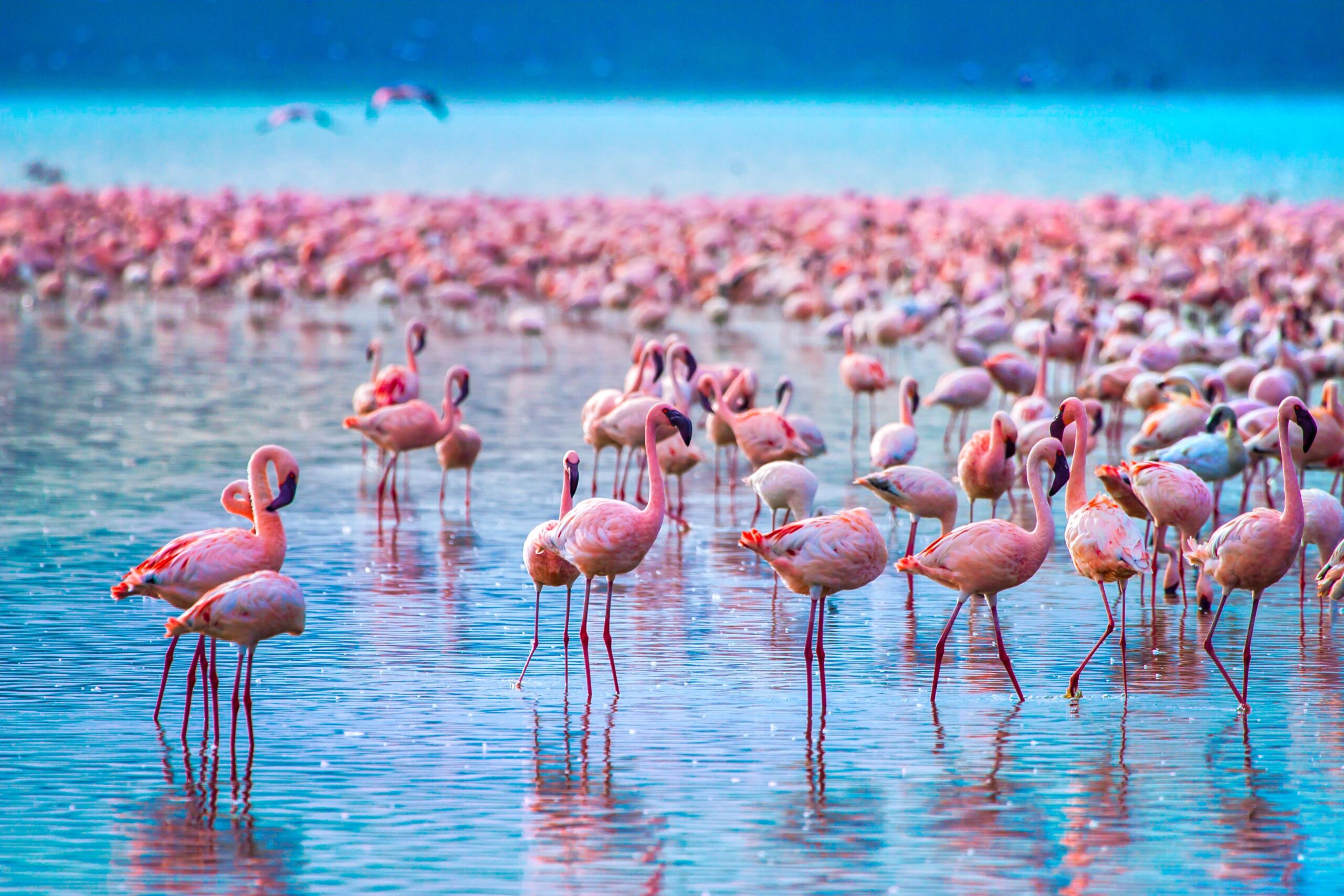
Lake Nakuru may be famous for flamingos and other waterbirds, but its wildlife experience extends far beyond the lakeshore. The national park protects black and white rhinos, Rothschild’s giraffes, buffaloes, zebras, waterbucks, impalas, warthogs, baboons and several predator species. This variety makes it a complete safari destination rather than simply a stop for birdwatching.
Located in Kenya’s Great Rift Valley, the park contains grassland, acacia woodland, rocky escarpments, wetlands and forested sections. These contrasting habitats support different wildlife communities within a relatively compact protected area. Visitors can move from rhino country to giraffe habitat, predator territory and scenic viewpoints during the same game drive.
The park’s manageable size makes it particularly attractive to families, photographers and first-time safari visitors. Animals may be easier to locate than in much larger ecosystems, although wildlife remains free-ranging and no particular sighting can be guaranteed.
Travelers researching the wider destination can explore the verified guide to what Lake Nakuru National Park is known for. Information about other destinations can be found on the live Kenya National Parks page.
Which Animals Are Lake Nakuru’s Main Safari Attractions?
Rhinos and Rothschild’s giraffes are among the park’s most distinctive mammals. Buffaloes, zebras, waterbucks and impalas are also important parts of the ecosystem, while lions and leopards give travelers opportunities to search for predators.
| Wildlife group | Animals to look for | Likely habitat |
|---|---|---|
| Conservation highlights | Black rhinos, white rhinos and Rothschild’s giraffes | Grassland, bushland and acacia woodland |
| Large herbivores | Buffaloes, zebras and waterbucks | Open plains, wetlands and lakeside grassland |
| Predators | Lions, leopards and spotted hyenas | Grassland, rocky slopes and woodland |
| Smaller herbivores | Impalas, gazelles and warthogs | Short grassland and woodland edges |
| Primates | Olive baboons and vervet monkeys | Woodland, rocky areas and viewpoints |
| Aquatic mammals | Hippos | Suitable aquatic and wetland habitats |
Every game drive is different. A species that is easily observed during one visit may be difficult to locate the following day. Weather, recent rainfall and vegetation growth continually influence the animals’ distribution.
Can I See Black and White Rhinos at Lake Nakuru?
Lake Nakuru National Park protects black and white rhinos, making rhino viewing one of its principal safari attractions. The two species occupy different habitats and have distinctive feeding adaptations.
Black rhinos have pointed, hooked upper lips that help them browse leaves, shrubs and twigs. They often use bushland and woodland, where vegetation can make them difficult to locate. A patient driver-guide may identify feeding signs, tracks or likely browsing areas while maintaining an appropriate distance.
White rhinos have broad, square-shaped mouths adapted for grazing. They frequently use open grassland, where their large bodies may be easier to observe. White rhinos may occur alone, as mothers with calves or in small social groups.
Despite their names, both species are gray. The terms “black” and “white” do not accurately describe their body color. Lip shape, body structure, posture and feeding behavior provide better identification clues.
The park’s protected status and relatively compact size can create rewarding rhino-viewing opportunities. However, no animal should be described as guaranteed. Travelers should expect a genuine wildlife search rather than a staged encounter.
Why Are Rothschild’s Giraffes Special at Lake Nakuru?
Rothschild’s giraffes are another important conservation attraction. These graceful mammals were introduced to the protected area as part of efforts to safeguard the population and provide suitable habitat.
Rothschild’s giraffes can be recognized by their relatively pale coat patterns and lightly marked lower legs. Their markings do not continue as strongly toward the hooves as those of some other giraffe populations.
Acacia woodland provides feeding opportunities because giraffes use their long tongues and flexible lips to select leaves from branches. They may also move through more open grassland, producing attractive photographic scenes against the escarpment and lakeshore environment.
Visitors should avoid reducing giraffes to photographic subjects alone. Their presence helps explain the conservation importance of protected habitats and the ecological relationships between vegetation and browsing mammals.
Can I See Lions at Lake Nakuru?
Lions inhabit Lake Nakuru National Park and are among its most sought-after predators. They may use grassland, woodland edges and areas where prey animals are concentrated.
Because lions can sleep or rest for much of the day, early morning and late-afternoon drives may offer better opportunities to observe active behavior. Nevertheless, lions can remain concealed in grass or vegetation even when they are relatively close to a game-drive route.
Travelers sometimes associate Lake Nakuru with reports of tree-climbing lions. Lions are capable of climbing, but this behavior should not be treated as guaranteed or as something every visitor will witness. Observing a lion resting, walking or interacting naturally remains rewarding without expecting a particular performance.
Guides must follow park rules and avoid surrounding or crowding predators. Responsible observation gives the animals space and provides visitors with a more authentic experience.
Are Leopards Common in Lake Nakuru National Park?
Leopards occur in the park but are considerably more difficult to find than many herbivores. Their spotted coats provide excellent camouflage in woodland, rocky terrain and shaded vegetation.
Leopards are often solitary and may become active when temperatures are cooler. They can rest in trees, conceal themselves in thick vegetation or move quietly through forested habitats without being noticed.
A leopard sighting should be considered a special encounter rather than an expected part of every Lake Nakuru safari. Even experienced guides cannot guarantee that one will appear.
Patience improves the experience. Travelers should scan tree branches, woodland edges and rocky areas while also appreciating the other wildlife encountered during the search.
Are Spotted Hyenas Found at Lake Nakuru?
Spotted hyenas may be encountered within the wider park ecosystem. Although often described only as scavengers, hyenas are capable and intelligent hunters with complex social structures.
They may move through grassland or areas used by grazing animals. Activity can be more noticeable during cooler periods, although sightings are less predictable than those of prominent herbivores.
Hyenas play an important ecological role by hunting, scavenging and consuming remains that might otherwise accumulate. Their presence contributes to the functioning of a healthy wildlife ecosystem.
Which Grazing Animals Can Be Seen at Lake Nakuru?
Buffaloes are among the park’s most impressive large herbivores. They may gather in groups near grassland and wetland habitats. Although they sometimes appear calm, buffaloes are powerful and potentially dangerous animals that require respectful viewing distances.
Zebras add distinctive patterns to the open landscape and may graze alongside other herbivores. Their social interactions, alert postures and movements provide interesting behavior for observers and photographers.
Waterbucks are especially well suited to habitats near water. Their shaggy coats and characteristic markings make them relatively easy to identify. Impalas and gazelles may use open woodland and grassland, where they remain alert to predator activity.
Warthogs frequently feed close to the ground using their knees. When alarmed, they can run with their tails raised—a familiar and entertaining sight on African game drives.
These herbivores are more than supporting characters in a safari. Their grazing and browsing influence vegetation, while their presence sustains predators and contributes to the park’s ecological balance.
What Primates Live Around Lake Nakuru?
Olive baboons and vervet monkeys are among the primates travelers may observe. Baboons live in social troops and occupy woodland, rocky slopes and areas near viewpoints.
Vervet monkeys are smaller and often use trees and woodland edges. Their agility and social interactions can be fascinating, but visitors should never feed them.
Feeding primates encourages them to associate people with food, which can lead to aggressive behavior and serious management problems. Food should remain secured, vehicle windows should be managed carefully and all instructions from guides or park staff should be followed.
Can I See Elephants at Lake Nakuru?
Lake Nakuru is not one of Kenya’s principal elephant-viewing destinations. Travelers should not select the park expecting large elephant herds. The protected area is better known for rhinos, Rothschild’s giraffes, buffaloes, birdlife and Rift Valley scenery.
Visitors especially interested in elephants can combine Lake Nakuru with Amboseli, where elephant viewing is one of the major safari attractions. A multi-park itinerary provides greater habitat diversity and reduces the pressure to find every desired species in one destination.
The verified 14-day Kenya National Parks Safari illustrates how several ecosystems can be combined within one journey.
When Is the Best Time to See Animals at Lake Nakuru?
Wildlife viewing is available throughout the year. Seasonal changes affect road conditions, vegetation, photography and animal visibility rather than determining whether resident mammals are present.
The drier periods, generally from January to February and June to October, may produce thinner vegetation and easier roads. These conditions can make some animals easier to locate, particularly across open habitats.
The greener months bring fresh vegetation, dramatic clouds and active birdlife. Dense plant growth may make secretive species more difficult to see, but the park’s landscapes can become especially attractive for photography.
Morning game drives are popular because temperatures are cooler and many animals remain active. Afternoon drives can also be rewarding as wildlife begins moving again and the light becomes softer.
Travelers can consult the live guide explaining the best time to visit Lake Nakuru when deciding which conditions suit their interests.
How Long Should You Spend at Lake Nakuru?
One night is suitable for many itineraries and normally allows an afternoon game drive followed by another wildlife-viewing session the next morning.
Two nights provide a more relaxed experience, especially for photographers, birdwatchers and travelers wanting more opportunities to locate rhinos and predators. Additional time also allows guests to visit viewpoints without rushing between sightings.
A dedicated guide explaining how long to spend at Lake Nakuru is available on the Ngeye Tours website.
Can Lake Nakuru Be Combined With the Masai Mara?
Lake Nakuru and the Masai Mara are frequently combined because they offer complementary wildlife experiences. Lake Nakuru contributes rhinos, giraffes, birdlife and Rift Valley landscapes, while the Masai Mara provides expansive savannah, abundant herbivores and strong predator-viewing opportunities.
The road connection makes it possible to include both destinations in a short itinerary. Travelers should still allow realistic transfer times so that the journey does not become rushed.
The verified five-day Lake Nakuru and Masai Mara Safari provides a practical example of this combination.
Visitors interested in Lake Naivasha as well can review the live five-day Lake Nakuru, Masai Mara and Lake Naivasha itinerary.
Why Explore Lake Nakuru With Ngeye Tours?
A rewarding wildlife safari depends on far more than reaching the park. Appropriate timing, knowledgeable guiding, suitable transportation and realistic expectations determine the quality of the experience.
Ngeye Tours & Travel creates personalized itineraries based on each guest’s interests, travel dates, comfort preferences and available time. Our guides interpret animal behavior, habitats and conservation issues rather than simply driving between sightings.
We also provide honest wildlife information. Lake Nakuru offers excellent opportunities to observe rhinos, giraffes and other mammals, but no responsible operator should guarantee a particular species.
Accommodation, road transfers, game drives and onward travel can be coordinated within one complete journey. Travelers can explore the company’s verified safari packages or request a completely customized itinerary.
Plan Your Lake Nakuru Wildlife Safari
Tell us your travel dates, group size, accommodation preference and the Kenyan destinations you want to explore. We will create a personalized safari featuring Lake Nakuru’s wildlife and Great Rift Valley scenery.
Request a Personalized SafariFrequently Asked Questions About Lake Nakuru Wildlife
What animals can I see besides birds at Lake Nakuru?
Travelers may encounter black and white rhinos, Rothschild’s giraffes, buffaloes, zebras, waterbucks, impalas, warthogs, baboons, vervet monkeys, lions and occasionally leopards or hyenas.
Can I see the Big Five at Lake Nakuru?
Lake Nakuru should not be marketed as a complete Big Five destination. It protects rhinos, lions, leopards and buffaloes, but it is not one of Kenya’s principal elephant parks.
Are rhinos easy to see at Lake Nakuru?
The park offers rewarding rhino-viewing potential because it protects black and white rhinos within a manageable area. Sightings still depend on animal movement and vegetation.
Are there lions and leopards at Lake Nakuru?
Yes. Both predators inhabit the park, but they can remain concealed for long periods. Leopards are particularly elusive and should be considered a special sighting.
Can I see giraffes at Lake Nakuru?
Yes. Lake Nakuru protects Rothschild’s giraffes, which may be seen in acacia woodland and open areas around the park.
Are elephants found at Lake Nakuru?
Lake Nakuru is not a principal elephant-viewing destination. Travelers wanting extensive elephant encounters should combine it with parks such as Amboseli.
How many nights should I spend at Lake Nakuru?
One night works well for many itineraries. Two nights offer more time for photography, birdwatching, viewpoints and additional wildlife searches.